Virgin Australia 737 Makes Emergency Landing After In-Flight Vape Fire

Co-Founder & CEOAviation News Editor delivering trusted coverage across the global aviation industry.
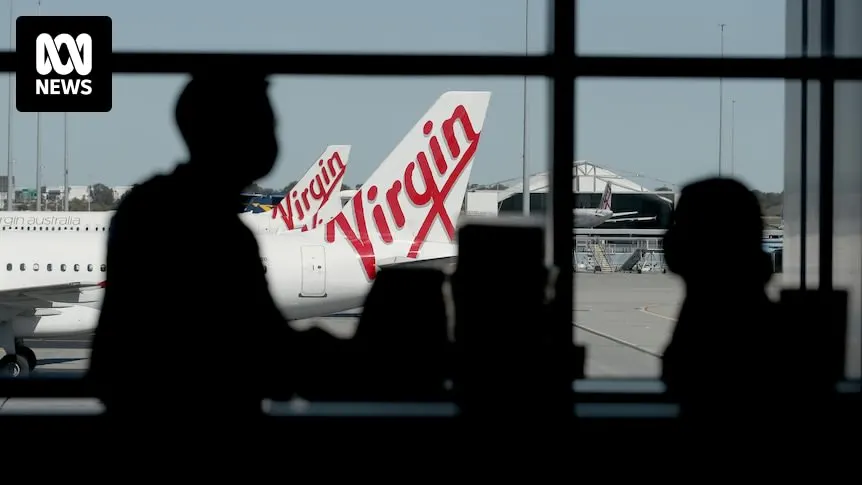
A Virgin Australia Boeing 737 made an emergency landing in Melbourne after a passenger's vape caught fire, highlighting growing lithium battery risks.
Key Takeaways
- •Highlights growing risk of in-flight fires from lithium batteries in personal devices.
- •Validates CASA regulations requiring vapes in carry-on baggage for quick crew response.
- •Represents one of two thermal runaway events occurring weekly in commercial aviation.
- •Follows a similar power bank fire on another Virgin Australia flight in July 2025.
A Virgin Australia flight made an emergency landing at Melbourne Airport on Sunday, March 15, 2026, after a passenger's vape ignited in the cabin, prompting an urgent response from the flight crew. The incident occurred on flight VA328, a Boeing 737-800 service operating from Brisbane to Melbourne. The fire was quickly contained by cabin crew, and no injuries were reported among passengers or crew.
The event underscores the persistent and growing risk of thermal runaway incidents involving lithium-ion batteries in personal electronic devices carried aboard commercial aircraft. While contained, the incident necessitated the flight crew issuing a PAN (Possible Assistance Needed) call to air traffic control during the descent, signaling an urgent but not life-threatening situation. The aircraft landed safely and was met by Aviation Rescue Firefighters as a standard precaution.
Regulatory Scrutiny and Existing Safeguards
The incident brings into focus the stringent regulations governing the carriage of such devices. According to Australia's CASA (Civil Aviation Safety Authority), which aligns with global standards set by the ICAO (International Civil Aviation Organization), all vapes, e-cigarettes, and personal vaporisers must be transported in carry-on baggage. This rule is a critical safety measure designed to ensure that if a device experiences thermal runaway, it occurs in the cabin where trained crew can immediately detect smoke or fire and take action. Had the device been in the cargo hold, a fire could have developed undetected with catastrophic potential.
CASA regulations also strictly prohibit the use and charging of vapes and power banks during flight to mitigate the risk of overheating. A Virgin Australia spokesperson confirmed the crew's adherence to safety protocols, stating, "The safety of our guests and crew is our highest priority," and praised the crew's swift response in managing the situation. Aviation safety experts note that the successful outcome of this incident validates the current regulatory framework that keeps these potential hazards in the cabin rather than in the hold.
A Growing Trend of Battery Incidents
Lithium-ion battery fires are an increasingly frequent challenge for the aviation industry. Data from the U.S. Federal Aviation Administration (FAA) indicates that vape pens have been responsible for 21% of all lithium-battery incidents reported on aircraft since 2006. This trend is exacerbated by the sheer volume of devices carried by passengers. A 2024 consumer survey by UL Standards & Engagement (ULSE) found that the average U.S. traveler brings four personal electronic devices on a flight.
This proliferation of batteries directly correlates with a rise in safety events. ULSE also reported in 2024 that, on average, two commercial flights per week experience a thermal runaway incident. In Australia, the Australian Competition and Consumer Commission (ACCC) reported a 92% increase in lithium-ion battery incidents in 2022 compared to 2020, reflecting a broader consumer product safety issue that has direct implications for aviation.
The primary stakeholders impacted by this trend are airline cabin crews, who face an increased operational burden and physical risk. They require continuous, specialized training to handle thermal runaway events using equipment like fire-resistant burn bags and specialized extinguishers. For regulators like CASA, the incident increases pressure to update dangerous goods policies and enhance public awareness campaigns, such as CASA's 'Pack Right' initiative, to educate travelers on the risks.
Historical Context and Industry Precedents
This event is not an isolated one for the airline or the industry. In July 2025, another Virgin Australia flight experienced a similar event when a power bank caught fire in an overhead locker, prompting a review of the airline's policies. A more severe incident occurred on January 28, 2025, when a faulty power bank fire aboard an Air Busan A321 at Gimhae Airport forced the evacuation of 176 passengers and led to the aircraft's destruction.
The foundational event that shaped current regulations was the crash of UPS Airlines Flight 6 on September 3, 2010. A massive, uncontrollable fire originating from a cargo pallet of lithium batteries caused the Boeing 747 freighter to crash near Dubai, killing both pilots. This tragedy was a watershed moment that led ICAO to ban bulk shipments of lithium batteries on passenger planes and mandate that personal devices containing them be carried in the cabin.
What Comes Next
The incident involving flight VA328 will be investigated by Australian authorities. A formal report from CASA or the Australian Transport Safety Bureau (ATSB) is expected to be concluded by late 2026. The findings will likely review the crew's response, the nature of the device failure, and whether any updates to passenger screening or in-flight procedures are warranted.
Why This Matters
This incident serves as a critical reminder of the latent fire risk present on every commercial flight due to the universal carriage of personal electronic devices. While current regulations and crew training proved effective in this case, the increasing frequency of such events suggests a systemic vulnerability. The aviation industry faces a continuous challenge to balance passenger convenience with the absolute necessity of mitigating the risk of an uncontrollable in-flight fire, a threat that grows with every new device brought on board.
Stay ahead of the airline industry with commercial aviation news from omniflights.com. Discover how innovation is shaping aviation through aircraft systems, avionics, and digital tools at omniflights.com/technology.
Written by Hardik Vishwakarma
Co-Founder & Aviation News Editor leading initiatives that improve trust and visibility across the global aviation industry. Covers airlines, airports, safety, and emerging technology.
Visit ProfileYou Might Also Like
Discover more aviation news based on similar topics
Ryanair Flight RK514 Diverts to Birmingham After Emergency
Ryanair flight RK514 diverted to Birmingham Airport on September 13, 2026, following a medical emergency involving a passenger.
Amazon Suspends 21 Air After Fatal Miami 767 Runway Overrun
Amazon has suspended operations with 21 Air following a fatal Boeing 767 runway overrun at Miami International Airport that resulted in five deaths.
FAA Proposes A220 Fuel Line Inspections for US Operators
The FAA issued a proposed directive requiring inspection of motive-flow fuel lines on 13 US-registered Airbus A220s to prevent potential leaks.
NATS Denies Military Jet Role in UK ATC Outage
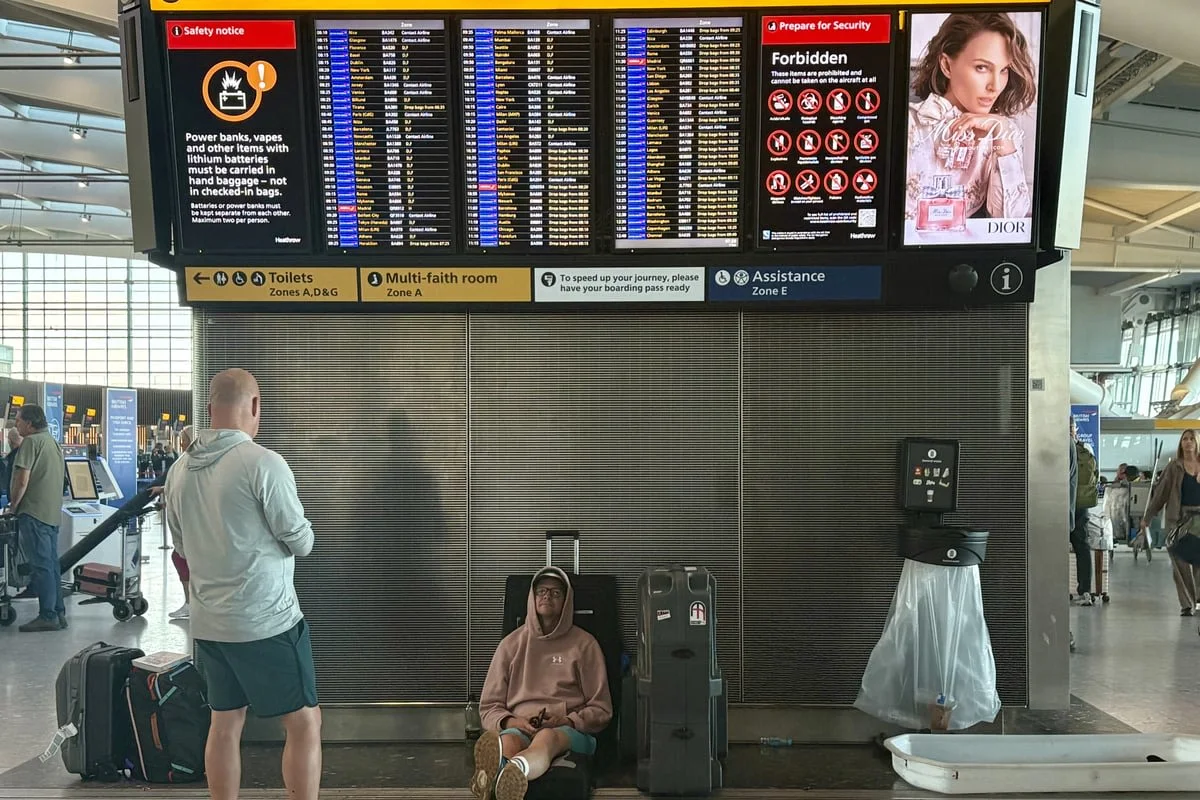
The UK Ministry of Defence denied its aircraft caused a NATS outage that led to over 2,000 flight cancellations and calls for CEO resignation.
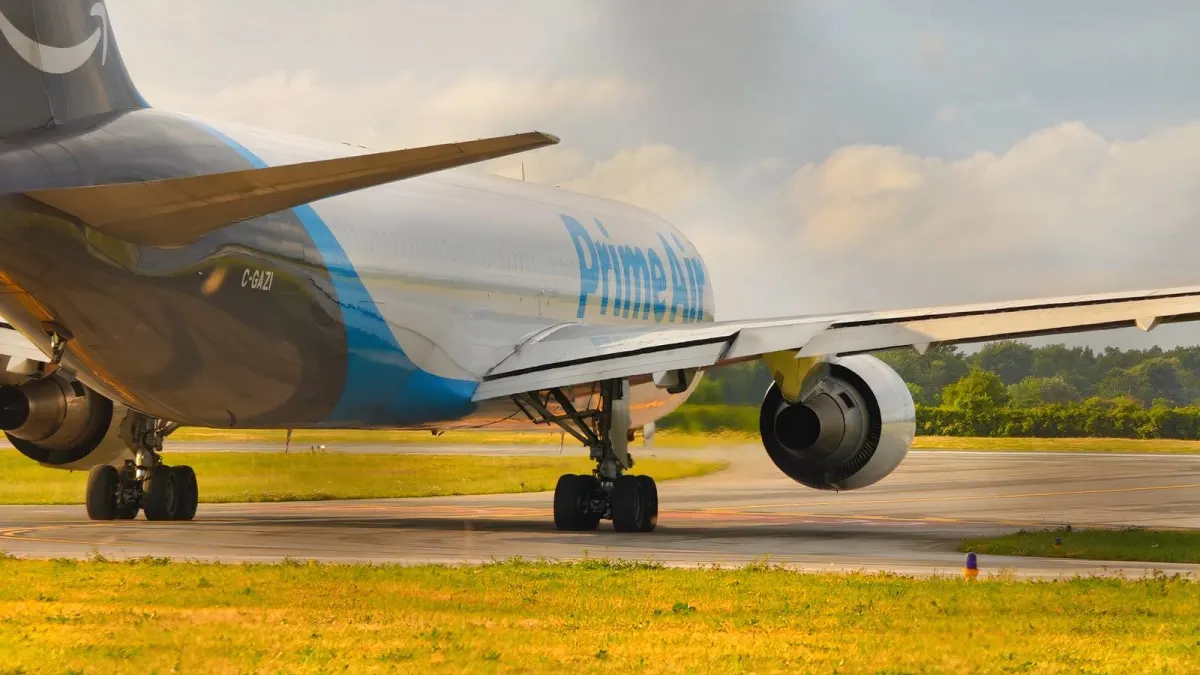
21 Air Miami Crash: NTSB Investigates 767 Runway Overrun
A fatal 21 Air Boeing 767 crash at Miami International Airport has triggered an NTSB investigation amid scrutiny of Amazon Air's contract oversight.

Amazon Cargo Plane Crash: 5 Remembered After MIA Excursion
Five cleaning crew members died after an Amazon-contracted Boeing 767 overran the runway at Miami International Airport at 158 knots.