US Airlines Raise Fares, Cut Flights Amid Iran War Fuel Spike

Co-Founder & CEOAviation News Editor delivering trusted coverage across the global aviation industry.

US airlines are raising fares and cutting capacity to offset a $400M Q1 fuel cost surge for each carrier caused by the escalating Iran war.
Key Takeaways
- •Raising airfares 15% to 20% to offset soaring jet fuel costs.
- •Cutting flight capacity by approximately 5% through Q2 and Q3 2026.
- •Absorbing a $400 million financial hit each in Q1 due to fuel price spikes.
- •Projecting a $4.6 billion annual fuel cost increase for United Airlines.
The three largest U.S. carriers are raising airfares and reducing flight schedules in response to a dramatic spike in jet fuel costs triggered by the escalating war in Iran. At the 2026 JP Morgan Industrials Conference, chief executives from United Airlines, Delta Air Lines, and American Airlines confirmed that each carrier absorbed a $400 million financial hit in the first quarter alone from higher fuel prices, forcing immediate strategic adjustments that will directly impact travelers.
The swift escalation in fuel costs is compelling airlines to pass the expense directly to consumers while simultaneously trimming unprofitable flying. United Airlines CEO Scott Kirby stated the carrier's intent to "fully offset" the rising costs, a strategy that includes recently booked fares increasing by 15% to 20%. This industry-wide response signals a significant test of the airlines' pricing power amid strong, but potentially fragile, post-pandemic travel demand. The direct financial exposure highlights the prevailing strategy among major U.S. carriers to operate without financial fuel hedges, leaving them vulnerable to geopolitical price shocks.
Financial Impact and Operational Response
The financial pressure on the airlines is substantial. According to an Argus Media report, the Argus US Jet Fuel Index surged 72% in a month, a significantly steeper climb than the 45% rise in Brent crude oil. For United Airlines, this translates to a projected $4.6 billion increase in annual fuel costs. In an employee memo, CEO Scott Kirby announced that United would implement tactical capacity reductions, cutting approximately 5% of all scheduled flights and 3% of off-peak flights through the second and third quarters of 2026. This strategy, described as "tactical pruning," focuses on eliminating the least profitable routes, such as red-eyes and flights on low-traffic days, rather than operating them at a loss.
American Airlines also disclosed the financial impact in an updated guidance filing with the Securities and Exchange Commission (SEC). The airline reported the material $400 million impact from fuel but noted that strong demand, which produced several record revenue days, is currently offsetting the expense. Delta's CEO, Ed Bastian, pointed to the airline's premium brand positioning and its ownership of the Monroe Energy refinery as partial buffers against the price shock. The refinery provides Delta with a physical hedge that can mitigate some of the volatility in the spot market.
Historical Context and Industry Precedent
This situation is not without historical precedent. The 1990 Gulf War caused jet fuel prices to double, contributing to massive industry-wide losses and hastening the bankruptcies of major carriers like Eastern Air Lines and Pan Am. More recently, the 2022 Russian invasion of Ukraine sent Brent crude prices above $120 per barrel, leading to fare hikes and complex flight reroutings to avoid closed airspace. In both instances, sudden geopolitical conflicts translated directly into severe operational and financial challenges for the airline industry. The current response follows this historical pattern, demonstrating how Middle East instability remains a primary driver of cost volatility for global airlines.
Unlike many of their European counterparts, the major U.S. carriers have largely abandoned complex financial hedging programs that use derivatives to lock in fuel prices. While this strategy saves money when fuel prices are low or stable, it creates significant exposure during price spikes. The current crisis underscores the risks of this unhedged approach, forcing airlines to rely entirely on their ability to raise fares and cut capacity to protect profit margins.
Impact on Travelers and What Comes Next
The primary impact for travelers will be twofold: higher costs and fewer options. Leisure and budget-conscious passengers are most affected by the 15-20% fare hikes and the 5% capacity reduction, which specifically targets off-peak flights they are more likely to use. The direct pass-through of costs reflects the airlines' confidence in continued strong travel demand, but it also risks suppressing that demand if fares rise too quickly.
Looking ahead, the industry will be closely watching several key developments:
- Q1 2026 Earnings Reports: Delta, United, and American Airlines are scheduled to release their first-quarter earnings in April 2026, which will provide a detailed accounting of the financial damage from the fuel spike.
- Schedule Reductions: United Airlines will begin implementing its confirmed 5% schedule reduction throughout the second and third quarters of 2026, with other carriers potentially following suit if high fuel costs persist.
Consumer advocacy groups have argued that airlines may be using the crisis as a cover to inflate fares beyond what is necessary to cover costs, citing the carriers' own reports of record revenue days. However, airline executives maintain that the measures are a necessary response to an unforeseen and severe cost shock.
Why This Matters
This development is a critical test of the U.S. airline industry's post-pandemic business model. It demonstrates the profound financial vulnerability of unhedged carriers to geopolitical events and their immediate reliance on raising consumer prices to maintain stability. The success or failure of this strategy will signal the true elasticity of travel demand and determine the financial health of the sector as it navigates a volatile global landscape.
Access up-to-date commercial aviation news and airline industry developments via omniflights.com. Get the latest updates on major hubs, regional terminals, and airport operations via the Airports section at omniflights.com/airports.
Written by Hardik Vishwakarma
Co-Founder & Aviation News Editor leading initiatives that improve trust and visibility across the global aviation industry. Covers airlines, airports, safety, and emerging technology.
Visit ProfileYou Might Also Like
Discover more aviation news based on similar topics
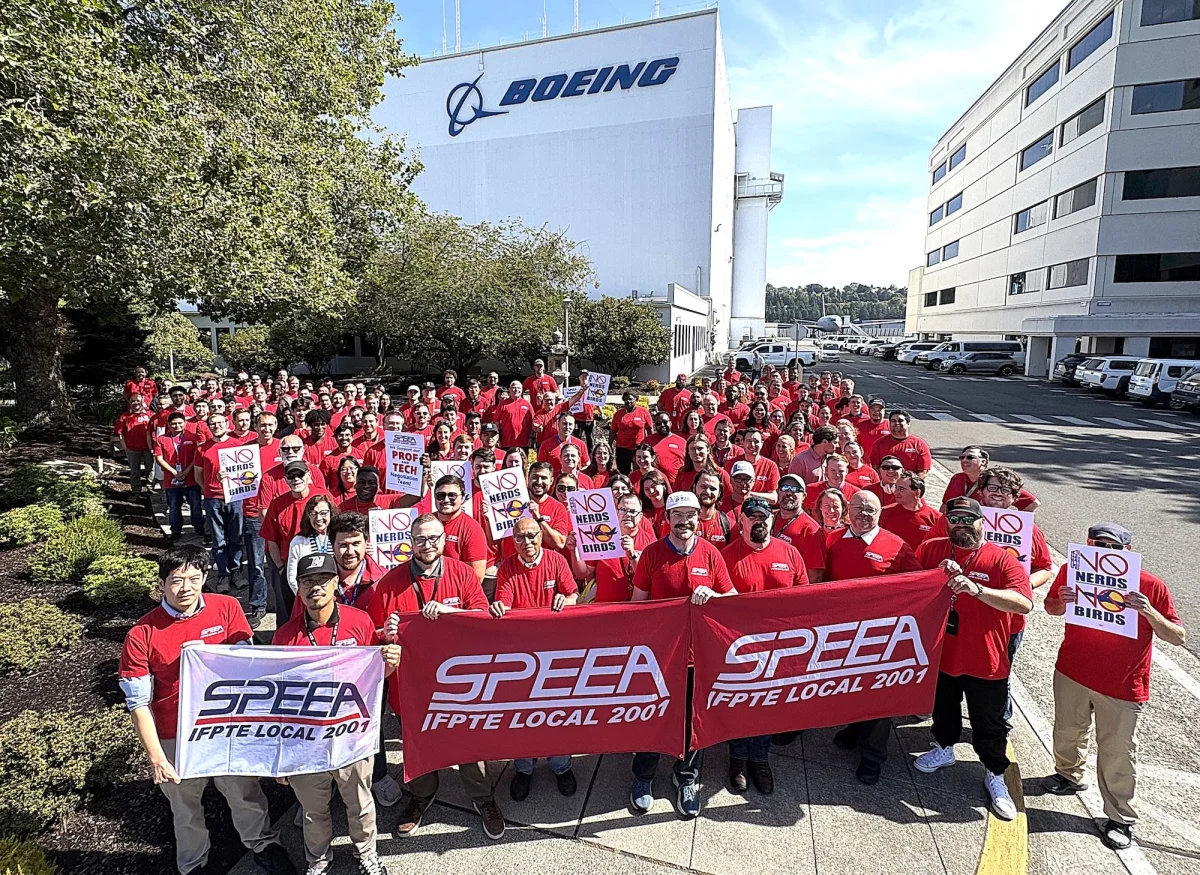
Boeing Tightens Spending Ahead of Critical SPEEA Union Vote
Boeing has implemented spending controls and a hiring freeze as it faces a critical contract ratification vote with its 17,000-member engineering union.
Boeing CEO Kelly Ortberg Warns of 777X Certification Delay
Boeing CEO Kelly Ortberg warned that a potential strike by 17,000 engineers would immediately halt the 777X certification and production programs.
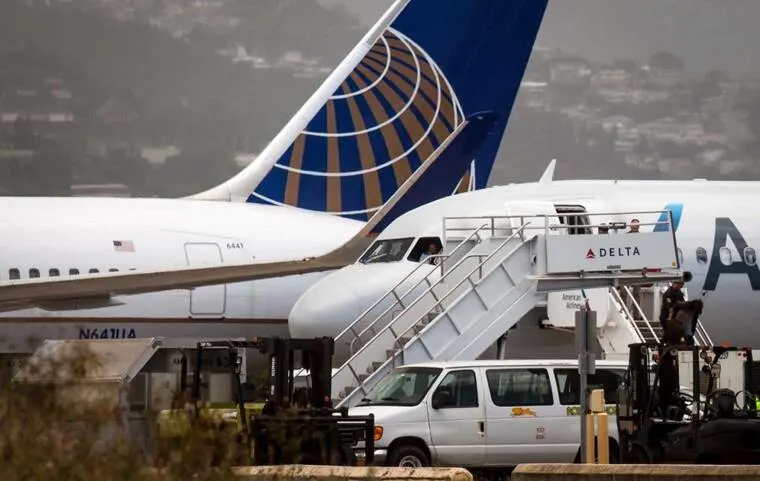
American and United Plan Capacity Cuts Amid Fuel Cost Surge
American and United are trimming flight schedules to offset a $1 billion fuel cost spike while maintaining strong pricing power.
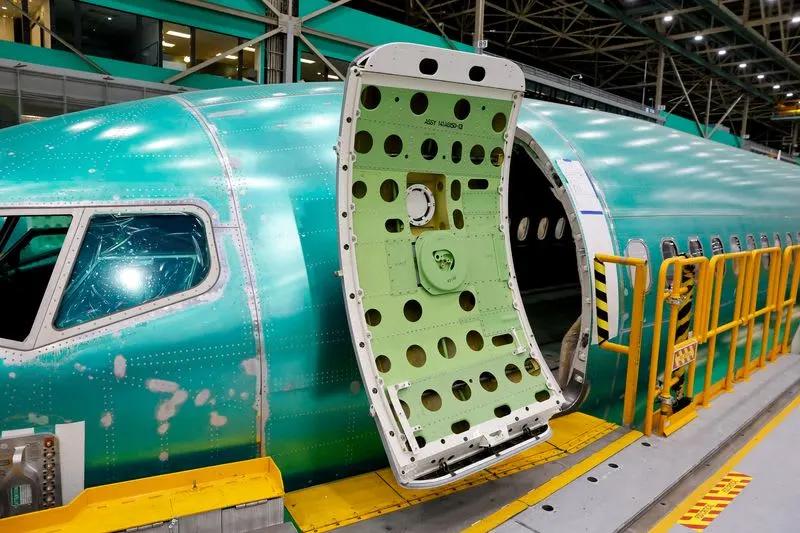
Boeing CEO Reports 737 MAX Output Stabilization Delays
Boeing CEO Kelly Ortberg reports slower 737 MAX production stabilization, prompting a downward revision in 2026 free cash flow expectations to $2 billion.
Boeing Finalizes KAL Order, Salvages Turkish Airlines Deal
Boeing secured a $36.2 billion order from Korean Air Lines for 103 aircraft and nears a resolution on a 150-jet deal with Turkish Airlines.
Airbus Forecasts 42,000 New Jets Amid Strong Global Demand
Airbus expects 42,000 new aircraft deliveries globally by 2045, with 45% of demand concentrated in the Asia-Pacific region.