Spirit Airlines Shutdown Leaves LaGuardia Terminal Deserted

Co-Founder & CEOAviation News Editor delivering trusted coverage across the global aviation industry.

Spirit Airlines' abrupt shutdown leaves LaGuardia's Marine Air Terminal deserted as the carrier begins a $217M liquidation process in bankruptcy court.
Key Takeaways
- •Leaves LaGuardia's historic Marine Air Terminal deserted after leasing all six gates.
- •Enters a $217 million bankruptcy liquidation plan after a government bailout failed.
- •Cites $100 million in extra jet fuel costs over two months as a primary factor in its collapse.
- •Parks Airbus A320 aircraft indefinitely at Boston Logan Airport following the shutdown.
The abrupt Spirit Airlines shutdown on May 2, 2026, has left New York's historic LaGuardia Airport (LGA) Marine Air Terminal deserted, a stark symbol of the largest U.S. airline collapse in a generation. As the ultra-low-cost carrier begins a monthslong dismantling process, the silence at the once-bustling terminal underscores the significant disruption to passengers, employees, and the broader aviation market.
Spirit, which was the sole tenant of the Marine Air Terminal's six gates, has ceased all operations, leading to the closure of Transportation Security Administration (TSA) checkpoints and the removal of airline branding. The impact extends beyond New York, with at least two of the airline's Airbus A320 aircraft now parked indefinitely at Boston Logan International Airport (BOS) at Terminal B's Gates 37 and 38. The collapse affects a network that previously operated over 700 daily flights, leaving a considerable void that competitors are already moving to fill.
Bankruptcy and Liquidation
Following the cessation of flights, Spirit Airlines entered a formal Spirit bankruptcy liquidation process in the U.S. Bankruptcy Court for the Southern District of New York in White Plains. Court filings reveal a $217 million plan to wind down operations, manage asset sales, and address claims from creditors and passengers. The official bankruptcy docket is publicly available through Epiq.
The court approved a $10.7 million retention bonus pool for essential employees tasked with managing the complex liquidation. However, this move drew scrutiny from the U.S. Trustee, a Department of Justice watchdog, which raised concerns about executive and employee bonuses during the wind-down. For stranded passengers, the airline has established an official restructuring website with information on the claims process for refunds.
Financial Pressures and Failed Bailout
The airline's collapse was precipitated by severe financial distress, exacerbated by external market shocks. According to court testimony from Spirit's lawyer, Marshall Huebner, a sharp spike in jet fuel prices linked to the 2026 Iran war left the carrier with "no remaining way out." The airline incurred an estimated $100 million in incremental fuel costs in just two months, beginning March 1, 2026. This volatility proved fatal to the ultra-low-cost carrier (ULCC) business model, which relies on thin margins and high-cost efficiency.
A last-ditch effort to secure a $500 million government bailout failed, sealing the airline's fate. U.S. Bankruptcy Judge Sean Lane remarked that it was "a horrible day for employees" after the government support fell through, leaving liquidation as the only option.
Industry and Stakeholder Impact
The shutdown's repercussions are widespread. Thousands of Spirit employees face mass layoffs, while passengers were left with canceled flights and the challenge of rebooking. Competing carriers, including Frontier Airlines, have responded by offering $99 rescue fares and are expected to absorb Spirit's former market share.
For airport operators like the Port Authority of NY & NJ, the immediate challenge is finding a new tenant for the historic Marine Air Terminal at LGA. Aircraft lessors face the logistical difficulty of repossessing their fleets, a process complicated by the fact that only a handful of Spirit pilots remain on payroll to move the planes.
Amid the corporate collapse, a grassroots crowdfunding effort called "Let's Buy Spirit" emerged, raising $132 million in non-binding pledges from over 133,000 people. However, industry experts are skeptical of a potential relaunch. Bill McGee, a Senior Fellow at the American Economic Liberties Project, noted the significant regulatory hurdles, stating that the Federal Aviation Administration (FAA) has presumably voided Spirit's air carrier operating certificate, making any restart highly complex.
Historical Context
Spirit's failure echoes other abrupt ULCC collapses. In March 2019, WOW air's bankruptcy resulted in an immediate cessation of all flights, stranding passengers globally before the company was liquidated. Similarly, the collapses of Monarch Airlines in 2017 and Thomas Cook Airlines in 2019 involved sudden shutdowns and the immediate suspension of operating certificates, complicating rescue efforts and requiring massive passenger repatriation and rebooking initiatives. These precedents highlight the vulnerability of the low-cost model to sudden financial shocks and the severe logistical fallout that follows.
What Comes Next
The immediate future involves the orderly dismantling of Spirit's assets under court supervision. The repossession of the airline's aircraft by lessors is expected to be completed by mid-2026. Following that, the resolution of passenger refund claims and other creditor filings is anticipated to proceed through late 2026. The process will be lengthy as the court works to liquidate all remaining assets to satisfy outstanding debts.
Why This Matters
Spirit Airlines' collapse serves as a stark reminder of the financial fragility of the ultra-low-cost carrier model in the face of significant macroeconomic pressures like fuel price volatility. The shutdown removes a major competitor from the U.S. market, likely accelerating industry consolidation and potentially leading to higher fares on routes Spirit once dominated. For airports, it creates immediate operational challenges in filling vacated gates and terminals.
Frequently Asked Questions
- Why did Spirit Airlines shut down in May 2026?
- Spirit Airlines ceased operations due to severe financial distress caused by a sharp increase in jet fuel prices, which added $100 million in costs in two months. The collapse was finalized after a proposed $500 million government bailout failed to materialize.
- What happened to LaGuardia's Marine Air Terminal after Spirit's collapse?
- LaGuardia's historic Marine Air Terminal (Terminal A) was left deserted following the Spirit Airlines shutdown. Spirit was the sole airline operating from the terminal, leasing all six of its gates, so its collapse led to the closure of all operations there.
- Are Spirit Airlines planes still parked at airports?
- Yes, following the shutdown, Spirit Airlines aircraft were left parked at various airports. Notably, at least two Spirit Airbus A320 planes are parked indefinitely at Boston Logan International Airport's Terminal B, at gates 37 and 38.
Access up-to-date commercial aviation news and airline industry developments via omniflights.com. Track policy changes, airspace rules, and global aviation governance in the Regulatory category at omniflights.com/regulatory.
Written by Hardik Vishwakarma
Co-Founder & Aviation News Editor leading initiatives that improve trust and visibility across the global aviation industry. Covers airlines, airports, safety, and emerging technology.
Visit ProfileYou Might Also Like
Discover more aviation news based on similar topics
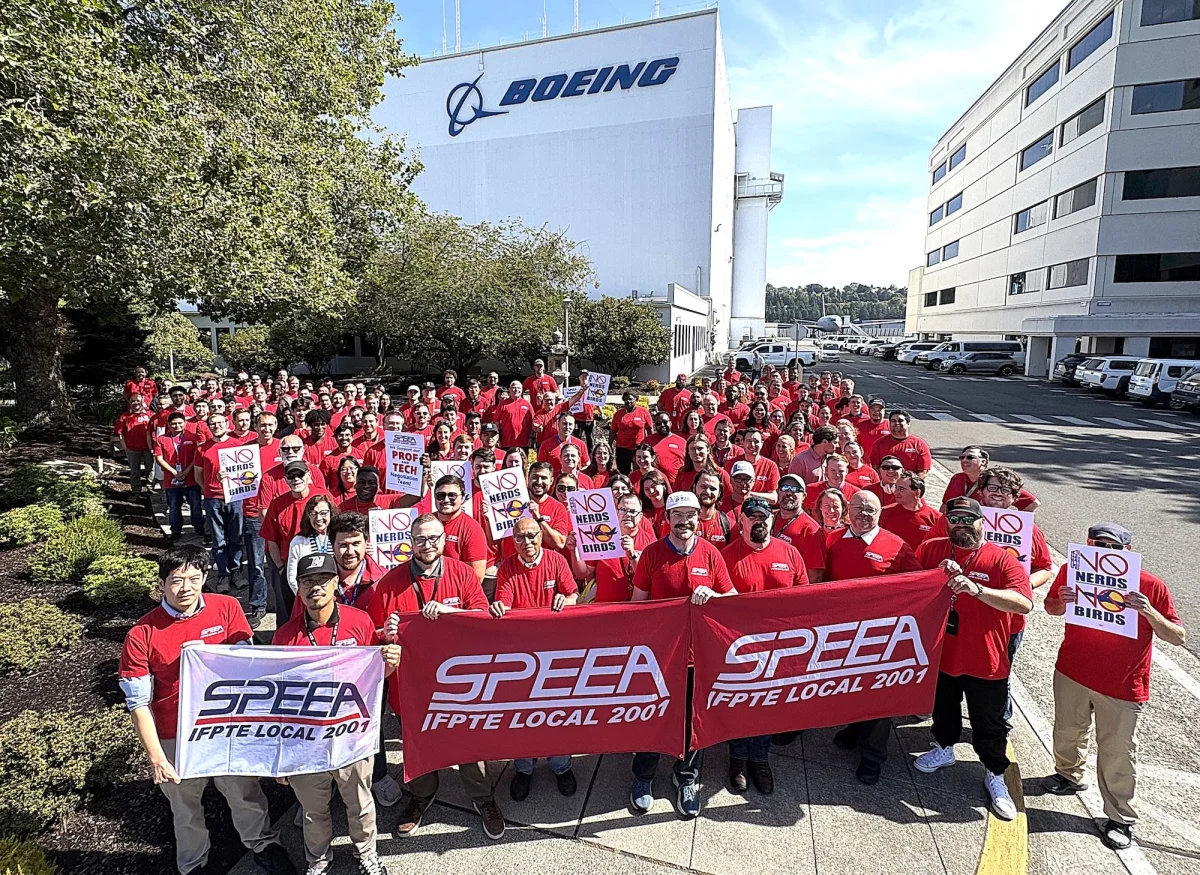
Boeing Tightens Spending Ahead of Critical SPEEA Union Vote
Boeing has implemented spending controls and a hiring freeze as it faces a critical contract ratification vote with its 17,000-member engineering union.
Boeing CEO Kelly Ortberg Warns of 777X Certification Delay
Boeing CEO Kelly Ortberg warned that a potential strike by 17,000 engineers would immediately halt the 777X certification and production programs.
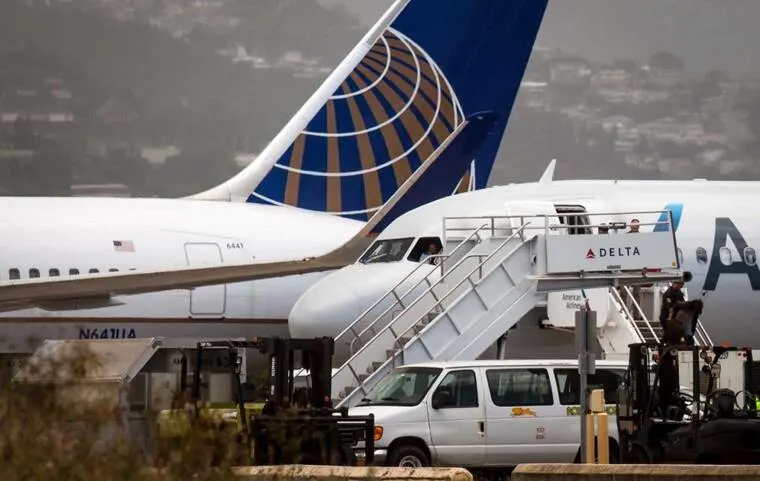
American and United Plan Capacity Cuts Amid Fuel Cost Surge
American and United are trimming flight schedules to offset a $1 billion fuel cost spike while maintaining strong pricing power.
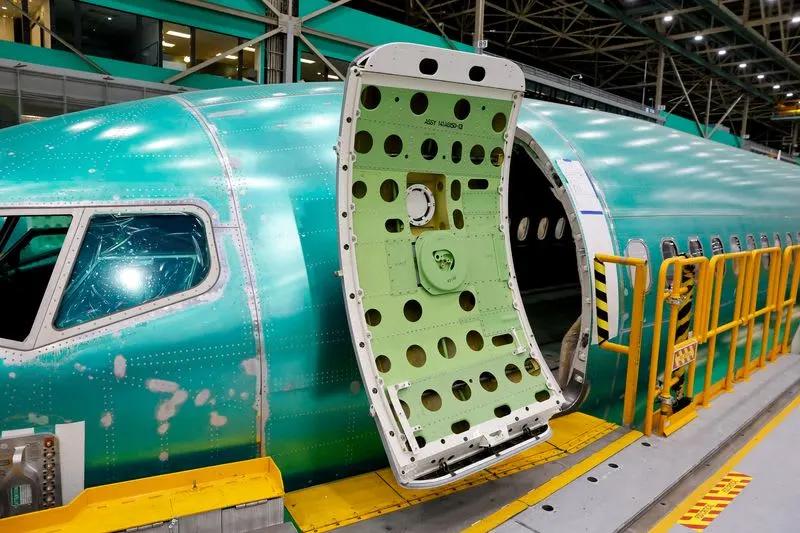
Boeing CEO Reports 737 MAX Output Stabilization Delays
Boeing CEO Kelly Ortberg reports slower 737 MAX production stabilization, prompting a downward revision in 2026 free cash flow expectations to $2 billion.
Boeing Finalizes KAL Order, Salvages Turkish Airlines Deal
Boeing secured a $36.2 billion order from Korean Air Lines for 103 aircraft and nears a resolution on a 150-jet deal with Turkish Airlines.
Airbus Forecasts 42,000 New Jets Amid Strong Global Demand
Airbus expects 42,000 new aircraft deliveries globally by 2045, with 45% of demand concentrated in the Asia-Pacific region.