United Nigeria Airlines Reports N10bn Loss on Fuel Shock

Co-Founder & CEOAviation News Editor delivering trusted coverage across the global aviation industry.
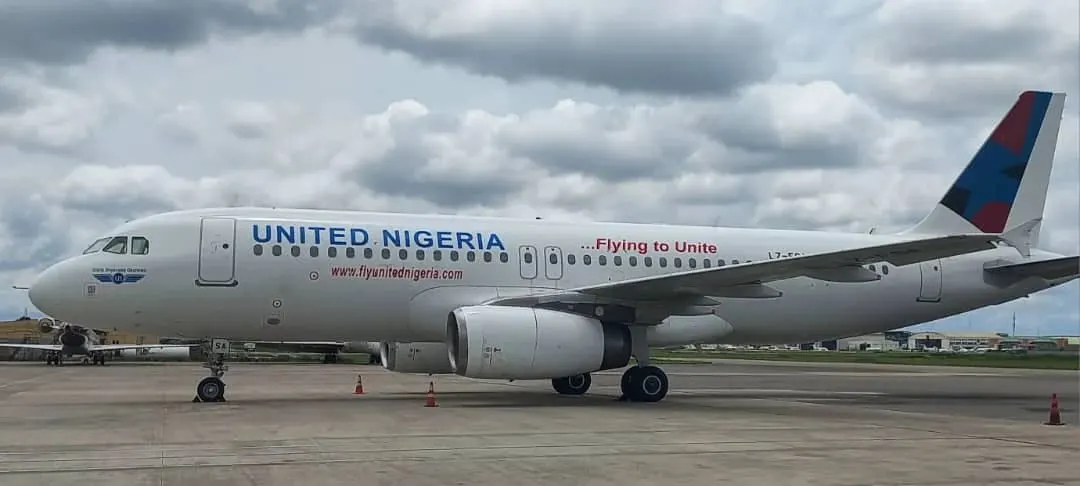
United Nigeria Airlines sustained a N10bn loss in three months as fuel prices surged due to the closure of the Strait of Hormuz.
Key Takeaways
- •United Nigeria Airlines lost N10bn in three months due to fuel price spikes.
- •Jet A1 fuel prices in Nigeria surged 266.7% due to Strait of Hormuz tensions.
- •Boeing projects African airlines will require 1,200 new aircraft by 2046.
- •NCAA expedited certification for two new Boeing 737-800 NG aircraft.
Financial Impact of Global Energy Disruptions
United Nigeria Airlines recently disclosed a loss of approximately N10 billion over a three-month period, citing severe operational headwinds caused by global geopolitical tensions. The airline’s chairman, Prof. Obiora Okonkwo, attributed the financial shortfall to the closure of the Strait of Hormuz, a critical maritime chokepoint that facilitates nearly 20% of global petroleum shipments. This disruption triggered a 266.7% surge in the cost of aviation fuel, with prices rising from N900 to N3,300 per liter, according to market data from the Airline Operators of Nigeria (AON).
Fleet Expansion Amid Economic Pressure
Despite the fiscal strain, the carrier continues its fleet modernization program, recently unveiling two Boeing 737-800 NG (Next Generation) aircraft. The induction of these aircraft, registered as 5N-CFC and 5N-CFB, marks a significant milestone for the operator. The Nigerian Civil Aviation Authority (NCAA) expedited the certification process, allowing the airline to integrate the new capacity into its network rapidly. The carrier plans to add four more aircraft to its fleet by the end of 2026, according to company projections.
Regulatory and Infrastructure Challenges
Industry stakeholders have raised concerns regarding the fiscal environment in Nigeria. According to the International Air Transport Association (IATA), as noted during its Annual General Meeting, Nigeria remains one of the most expensive markets globally for aviation operations. Prof. Okonkwo highlighted that the federal government’s policy of deducting up to 70% of internally generated revenue from the NCAA and the Federal Airports Authority of Nigeria (FAAN) limits the agencies' ability to reinvest in critical infrastructure. While the government maintains these deductions are necessary for the national Consolidated Revenue Fund, operators argue the policy strains the sector's long-term sustainability.
Technical Specifications: 737-800 vs A320ceo
| Metric | Boeing 737-800 | Airbus A320ceo |
|---|---|---|
| Maximum Seating | 189 | 180 |
| Range | Up to 2,900 nmi | 3,300 nmi |
| Max Takeoff Weight | 174,200 lbs | 171,900 lbs |
Industry Trajectory and Boeing Outlook
Moore Ibekwe, Executive Sales Director for Africa at Boeing Commercial Airplanes, noted that recent reforms in the Nigerian aviation sector have improved access to financing and regulatory compliance. Boeing projects that the African market will require approximately 1,200 new aircraft over the next 20 years. The manufacturer has initiated a local training program for Nigerian engineers to support this growth. This development suggests a shift toward indigenous fleet empowerment, as the government pivots away from establishing a state-funded national carrier in favor of supporting private operators like United Nigeria Airlines.
Certification and Operational Milestones
The airline is tracking several key milestones to maintain its growth trajectory. The NCAA is expected to oversee the induction of four additional aircraft by late 2026. Furthermore, the Ministry of Aviation and Aerospace Development, led by Minister Festus Keyamo, is targeting the launch of direct cargo flights from Guangzhou to Enugu by December 2026. These efforts are intended to bolster network connectivity and diversify revenue streams against the backdrop of volatile fuel costs.
Why This Matters for the Nigerian Aviation Market
The financial performance of domestic carriers is increasingly tied to global energy market volatility. For the Nigerian traveling public, the current fuel-driven cost cycle risks higher ticket prices and schedule adjustments. The situation underscores the need for a balanced regulatory framework that protects agency funding while insulating operators from extreme external shocks. As the industry scales, the ability of carriers to manage these costs will determine their long-term viability and the overall success of Nigeria's aviation sector. For more details on the aircraft type, refer to the Boeing 737 Next Generation specifications.
Frequently Asked Questions
- What caused the recent financial losses at United Nigeria Airlines?
- United Nigeria Airlines reported a N10 billion loss over three months primarily due to a 266.7% surge in aviation fuel prices, which was triggered by disruptions to global oil shipments following the closure of the Strait of Hormuz.
- How does the Nigerian government’s revenue deduction policy affect aviation agencies?
- The federal government mandates that up to 70% of internally generated revenue from agencies like the NCAA and FAAN be paid into the Consolidated Revenue Fund. Airlines argue this policy limits the agencies' ability to improve airport infrastructure and service delivery.
omniflights.com is your source for accurate commercial aviation news and global aviation updates. Follow aviation sustainability efforts, emissions research, and green initiatives in the Environmental section at omniflights.com/environmental.
Written by Hardik Vishwakarma
Co-Founder & Aviation News Editor leading initiatives that improve trust and visibility across the global aviation industry. Covers airlines, airports, safety, and emerging technology.
Visit ProfileYou Might Also Like
Discover more aviation news based on similar topics
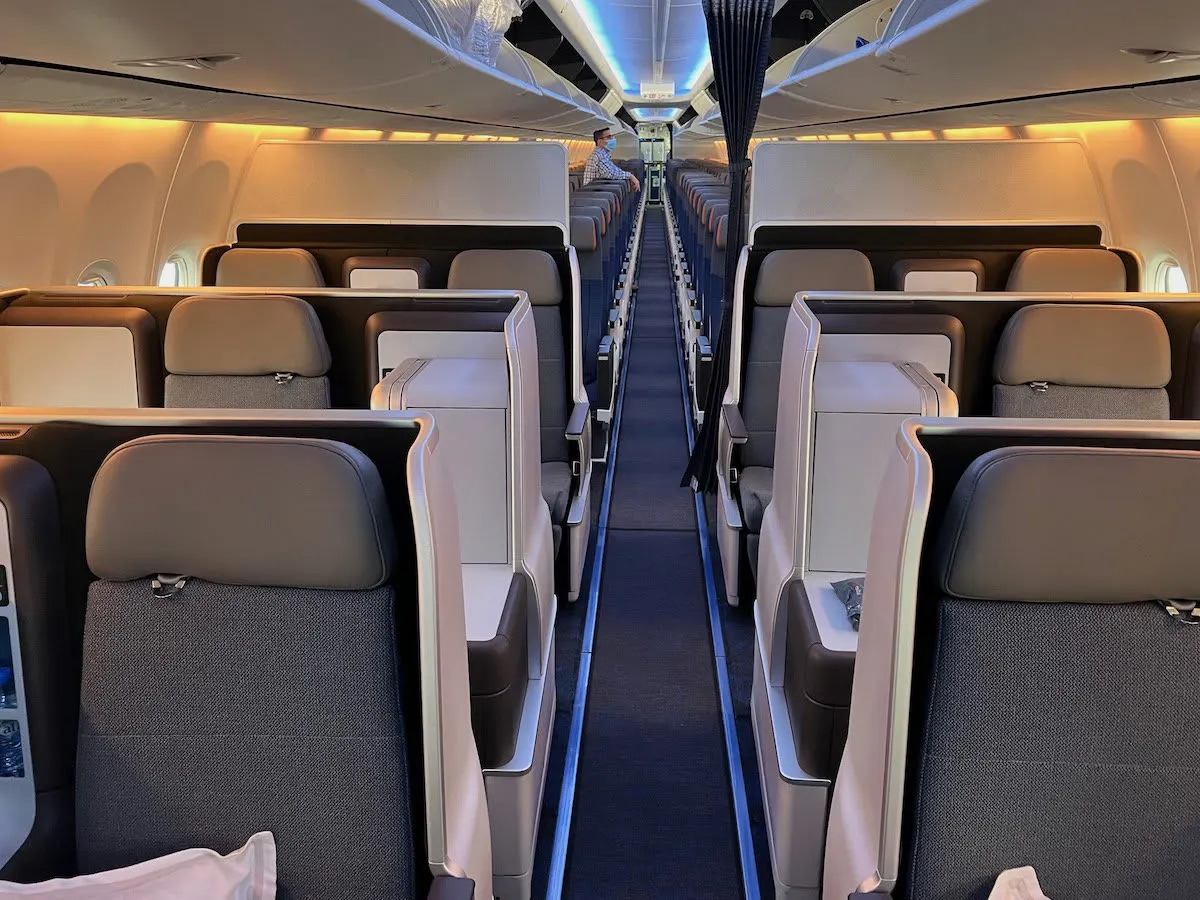
Flydubai Upgrading 21 Boeing 737 MAX 8s to Flat Bed Seats
Flydubai is retrofitting 21 Boeing 737 MAX 8 aircraft with lie-flat business class seats to standardize its premium product by late 2027.
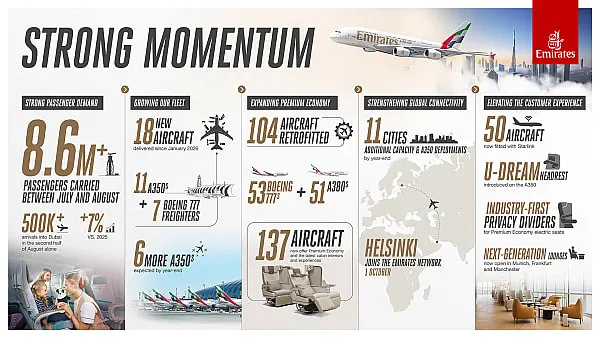
Emirates Winter Booking Momentum Grows Amid Fleet Expansion
Emirates carried 8.6 million passengers this summer and enters winter with strong demand as it accelerates fleet retrofits and network growth.
Air Arabia Consortium Gains AOC for New Dammam Budget Airline
A Saudi GACA-led consortium including Air Arabia has secured an AOC to launch a new budget airline based at Dammam's King Fahd International Airport.
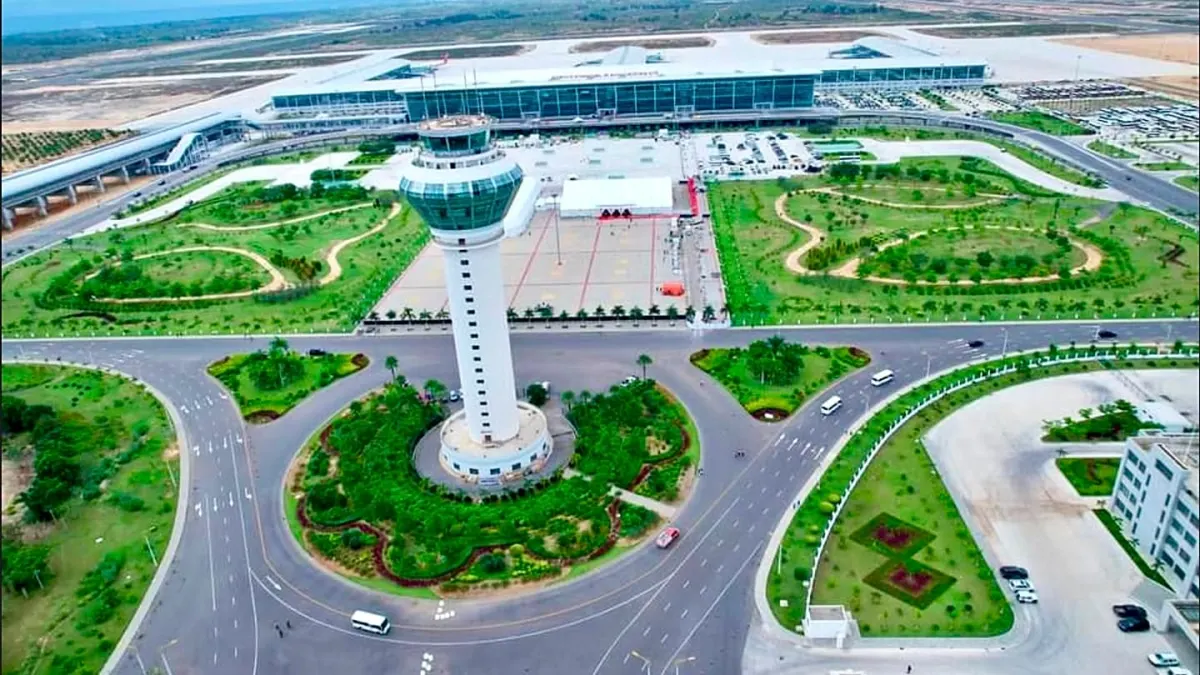
Turkish Airlines Exits Luanda as Angola Hub Struggles
Turkish Airlines dropped its Luanda route as Angola's new airport struggles to attract traffic, handling only 756,028 passengers in 2025.

Red Sea Airlines Leases Two 737 MAX 8s for 2027 Expansion
Red Sea Airlines signed a lease for two Boeing 737 MAX 8 aircraft from SMBC Aviation Capital, arriving in 2027 to support its 14-aircraft fleet goal.
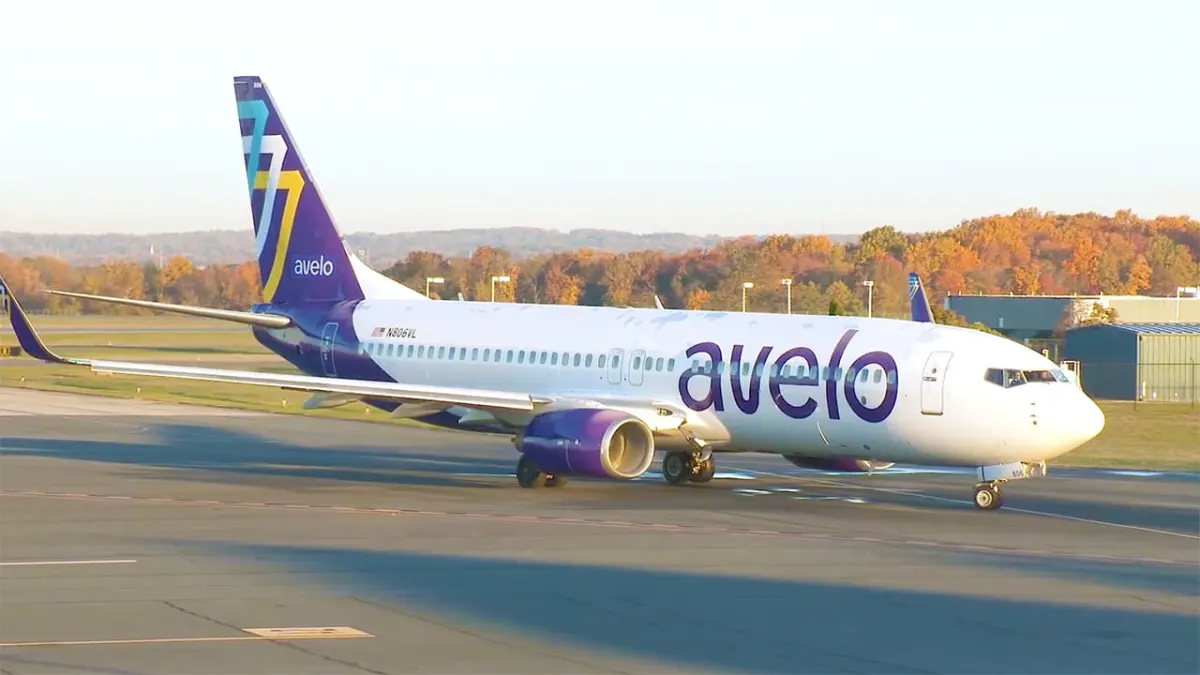
Avelo CEO Warns Airfares May Rise on Jet Fuel Price Spikes
Avelo Airlines CEO Andrew Levy warns that rising fuel costs may force fare increases as global jet fuel prices reach $171.01 per barrel.