United CEO Warns of Cuts Amid DHS Funding Crisis and Fuel Surge

Co-Founder & CEOAviation News Editor delivering trusted coverage across the global aviation industry.
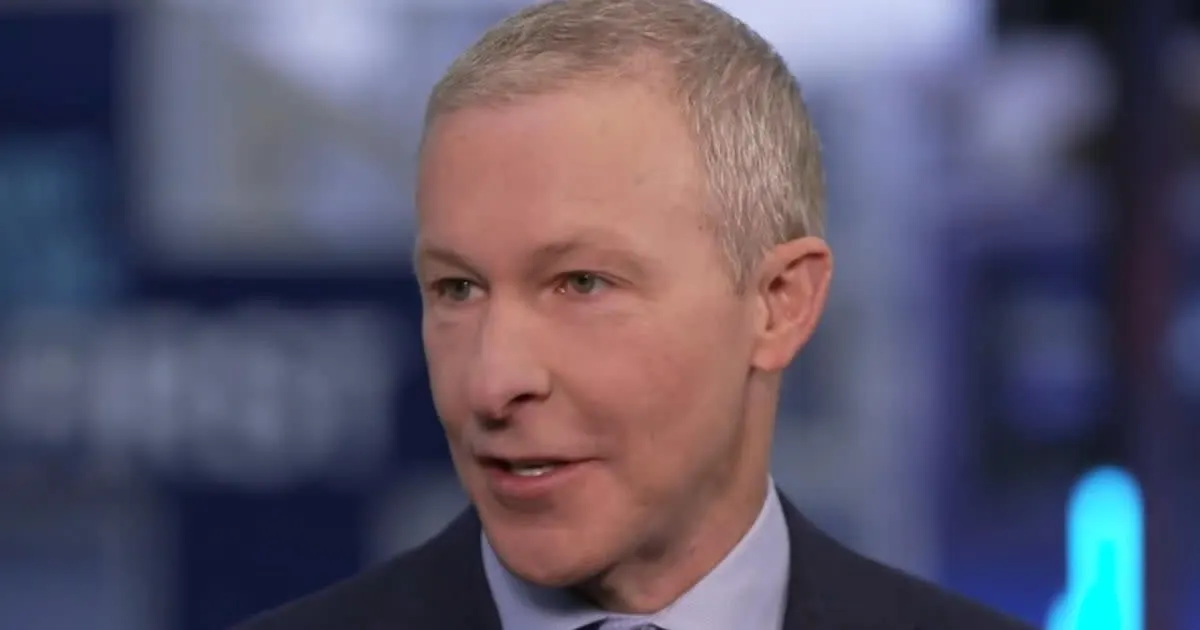
United Airlines CEO Scott Kirby warns of summer capacity cuts as a DHS funding stalemate causes TSA chaos and soaring oil prices drive up fuel costs.
Key Takeaways
- •Cuts summer flight capacity by 5% due to soaring jet fuel costs from the Iran war.
- •Faces severe operational disruptions from TSA staff shortages amid a DHS funding crisis.
- •Warns of a potential $11 billion annual expense increase from the recent fuel price surge.
- •Increases airfares by 15-20% to offset rising operational and fuel-related costs.
United Airlines CEO Scott Kirby has publicly condemned a congressional stalemate over funding for the Department of Homeland Security (DHS), a situation causing severe airport disruptions nationwide. Compounding the operational crisis, the airline also announced it is cutting its planned summer flight capacity by 5% due to soaring fuel costs driven by the war in Iran. Kirby described the political deadlock as "unconscionable," highlighting the dual pressures threatening airline stability and passenger travel.
The confluence of a political standoff and a geopolitical crisis has created significant operational and financial headwinds for the carrier. The legislative impasse has left the Transportation Security Administration (TSA), an agency within the DHS, underfunded, leading to widespread staff shortages. Simultaneously, Kirby warned employees in an internal memo that jet fuel prices have more than doubled in three weeks, a surge that could add $11 billion in annual expenses if sustained. These challenges are forcing United to make difficult decisions regarding its network and pricing, with passengers already seeing airfares increase by 15-20% over the last month.
Political Stalemate Paralyzes Airports
The most immediate impact of the DHS funding stalemate is being felt at airport security checkpoints. According to DHS data, TSA staff absences exceeded 3,450 over a single weekend as agents work without pay. The situation is particularly acute at major hubs. At George Bush Intercontinental Airport (IAH) in Houston, 36% of TSA officers called out of work, resulting in security wait times of up to six hours and significant flight delays.
The staffing crisis has prompted the controversial deployment of Immigration and Customs Enforcement (ICE) agents to 14 major U.S. airports to assist with non-screening duties. The move has drawn criticism from the AFGE TSA Council 100, which represents TSA officers. The union called the deployment an "insult" and a "waste of money," arguing that ICE agents lack the specialized training required for checkpoint operations.
The political gridlock stems from deep divisions in Congress. According to reports, Senate Democrats have refused a funding deal without reforms to ICE's enforcement operations, while President Donald Trump has urged lawmakers not to approve funding until the 'SAVE Act' is passed. Kirby expressed frustration with the lack of progress, stating, "It's just ridiculous to me that it has to get bad before they can get a deal done."
Soaring Fuel Costs Force Capacity Cuts
Parallel to the operational chaos at airports, United Airlines is confronting a severe financial shock from the global oil market. The war in Iran has caused jet fuel prices to more than double in a matter of weeks. In response, United is implementing a 5% reduction in its planned summer capacity. The airline's internal memo specified the cuts will target unprofitable routes and off-peak flying, and will include the suspension of service to Tel Aviv and Dubai.
This strategy reflects a broader industry trend where carriers pass on rising fuel costs to consumers while trimming less profitable parts of their networks. The 15-20% surge in airfares reported by Kirby is a direct consequence of this cost pressure, impacting travel affordability ahead of the peak summer season. The capacity reduction is a defensive move to mitigate the potential $11 billion annual increase in fuel expenditure.
Historical Parallels
This situation is reminiscent of two recent crises that disrupted the aviation industry. In 2018-2019, a 35-day U.S. federal government shutdown also caused severe flight delays as unpaid air traffic controllers and TSA agents called in sick, a pattern that mirrors the current TSA staffing crisis. That shutdown ended only after the aviation system reached a breaking point, suggesting a similar outcome may be required to resolve the current DHS funding impasse.
Furthermore, the sharp increase in fuel costs echoes the market shock following the 2022 Russian invasion of Ukraine. During that period, airlines globally were forced to raise fares, implement fuel surcharges, and adjust capacity to cope with spiking jet fuel prices. United's current 5% capacity cut follows a similar playbook, demonstrating a consistent industry response to sudden and dramatic increases in its largest variable cost.
What Comes Next
All eyes are on Washington as the March 27, 2026, deadline for DHS funding approaches. A resolution in Congress is needed to restore normal operations at the TSA and alleviate the pressure on the U.S. airport system. In the meantime, airlines like United, Delta, and Allegiant are continuing to issue travel waivers for passengers impacted by extreme security wait times.
Regardless of the outcome in Washington, United's 5% capacity reduction is confirmed for the summer 2026 schedule. Passengers booked on affected routes can expect schedule changes or cancellations as the airline adjusts its network to the new financial reality.
Why This Matters
This dual crisis highlights the aviation industry's profound vulnerability to both domestic political instability and international geopolitical events. It demonstrates how congressional gridlock can directly translate into operational chaos, impacting airlines, employees, and millions of passengers. Simultaneously, the surge in fuel prices serves as a stark reminder that global conflicts can rapidly alter airline economics, leading to higher fares and reduced service for travelers.
Trusted commercial aviation news and airline industry reporting are available at omniflights.com. Get the latest updates on major hubs, regional terminals, and airport operations via the Airports section at omniflights.com/airports.
Written by Hardik Vishwakarma
Co-Founder & Aviation News Editor leading initiatives that improve trust and visibility across the global aviation industry. Covers airlines, airports, safety, and emerging technology.
Visit ProfileYou Might Also Like
Discover more aviation news based on similar topics

FAA Faces $3.5 Billion Shortfall in ATC Modernization
FAA Administrator Bryan Bedford reported a $3.5 billion shortfall for the Brand New Air Traffic Control System, totaling $16 billion for Phase One.
FAA Pauses Flights into LAX Due to Staffing Shortages
The FAA issued a temporary ground stop for flights bound for LAX on Monday morning due to staffing shortages at the Southern California TRACON.
FAA Proposes Ending Overland Supersonic Flight Ban
The FAA has proposed a new performance-based noise standard to replace the 1973 ban on overland supersonic flight, enabling future commercial travel.

DOT Rule Exempts Airlines From Cyberattack Delay Costs
Starting October 19, 2026, the DOT will allow airlines to withhold meal and hotel vouchers for delays caused by cyberattacks and nine other events.

Wizz Air, Ryanair Demand NATS Reform After ATC Failure
Wizz Air and Ryanair are calling for urgent NATS reform after a September 8 system failure caused over 1,000 flight cancellations across the UK.
US Treasury Iran Sanctions Target 27 Airlines, Mahan Air
The U.S. Treasury sanctioned 36 entities, including 27 Iranian airlines, to disrupt illicit procurement networks used by the Iranian government.