United Airlines Warns of Higher Fares as Fuel Prices Spike

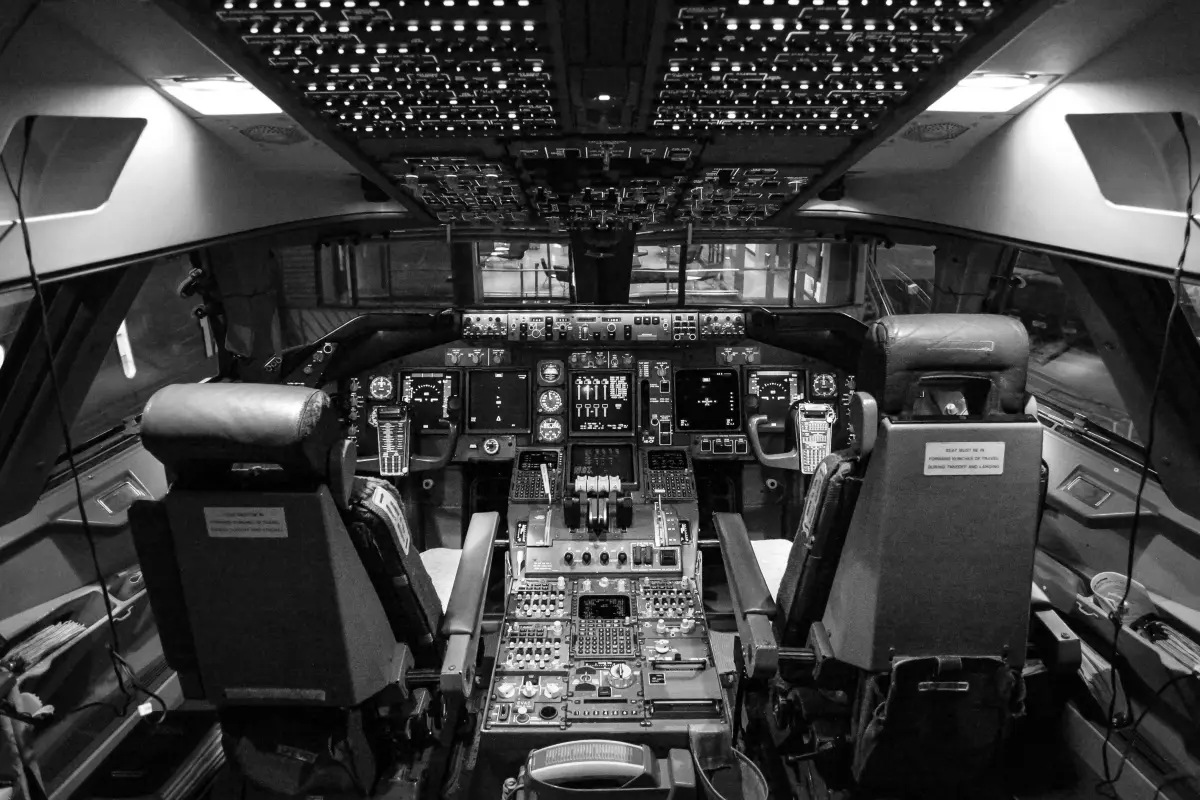
United Airlines CEO Scott Kirby warns a sharp surge in jet fuel prices due to geopolitical conflict will likely lead to higher consumer airfares soon.
Key Takeaways
- •Warns rising fuel prices will have a 'meaningful' financial impact on Q1 results.
- •Cites a 15% jump in jet fuel prices during the first week of March 2026.
- •Projects every $1 increase per barrel in fuel costs the airline $116 million annually.
- •Expects higher costs will translate into increased consumer airfares 'quick'.
A significant jet fuel price surge, driven by geopolitical conflict in the Middle East, will have a “meaningful” impact on United Airlines' first-quarter financials and will likely translate to higher consumer airfares. The warning came from United CEO Scott Kirby, who noted that fuel prices jumped approximately 15% in the first week of March 2026 alone, creating immediate pressure on airline operating costs.
The comments highlight the aviation industry's direct exposure to global energy markets, particularly as most major U.S. carriers have abandoned fuel hedging strategies. Jet fuel typically accounts for 20% to 25% of an airline's total operating expenses, making it a critical and volatile cost center. Without financial instruments to lock in prices, carriers like United feel the full effect of market fluctuations, forcing them to either absorb the losses or pass the increased costs on to passengers.
Rising Costs and Market Exposure
Recent data underscores the rapid cost escalation facing airlines. According to the International Air Transport Association (IATA) Jet Fuel Price Monitor, the global average price for jet fuel rose 3.6% in a single week to reach $99.40 per barrel. In the U.S. market, data from Airlines For America shows the Argus U.S. Jet Fuel Index stood at $3.88 per gallon on March 6, 2026. This sharp increase is exacerbated by a widening 'jet crack'—the price difference between crude oil and refined jet fuel—which suggests a tightening supply of aviation-specific fuel.
This volatility directly impacts airline financial performance. A Securities and Exchange Commission (SEC) filing from United Airlines quantifies this sensitivity, stating that a mere $1 change in the price of a barrel of aircraft fuel would alter the carrier's projected 2026 fuel expense by approximately $116 million. This direct financial linkage explains Kirby's assertion that the impact on airfares will “probably start quick.” The lack of widespread jet fuel hedging among U.S. carriers means there is little buffer to absorb such sudden cost increases.
Broader Industry and Consumer Impact
The effects of the Middle East conflict extend beyond fuel prices. The disruption has already led to more than 20,000 flight cancellations, and airlines are incurring additional airline operating costs from rerouting flights to avoid conflict zones. These longer routes increase fuel burn, crew hours, and potential needs for technical stops, adding further financial strain.
For consumers, the primary consequence will be airfare inflation. While airlines must consider market demand and competition when setting prices, a sustained period of high fuel costs almost inevitably leads to higher ticket prices. Kirby, speaking at an event at the Harvard John A. Paulson School of Engineering and Applied Sciences, indicated that the financial pressures could extend into the second quarter if the conflict and its impact on oil markets continue. The industry's economic health is closely tied to its ability to manage these external shocks, with fuel being the most significant variable.
What Comes Next
Airlines are now navigating a difficult balance between covering escalating costs and maintaining passenger demand. The industry will be closely watching crude oil prices and geopolitical developments to forecast cost structures for the upcoming peak travel seasons. According to the Bureau of Transportation Statistics, U.S. scheduled service airlines consumed 1.441 billion gallons of fuel in January 2026, illustrating the massive scale of exposure to price changes.
With most carriers unhedged, the industry's profitability for the coming quarters is now subject to significant uncertainty. The speed at which airlines adjust their fare structures will be a key indicator of their confidence in sustained travel demand. Kirby's public comments signal that carriers are preparing the market for price adjustments, framing them as a necessary response to external pressures beyond their control.
Why This Matters
This development signals a direct and rapid link between geopolitical risk and consumer travel costs. For an industry that has largely moved away from fuel hedging, global instability is no longer an abstracted financial risk but an immediate operational expense that will be passed on to travelers. This situation underscores how sensitive airline profitability and ticket prices are to global events, marking a potential return to the fare volatility seen during previous oil price shocks.
From airline operations to fleet updates, commercial aviation news lives at omniflights.com. Stay informed on aviation incidents, investigations, and best practices in the Safety category at omniflights.com/safety.

Written by Ujjwal Sukhwani
Aviation News Editor & Industry Analyst delivering clear coverage for a worldwide audience. Covers flight operations, safety regulations, and market trends with expert analysis.
Visit ProfileYou Might Also Like

Dubai Aerospace Enterprise Completes United Airlines Lease
RTX Reports Record $340B Backlog and Strong Q3 2026 Growth
Boeing 737 MAX Litigation Nears Resolution in Chicago
Qatar Airways Enters Japanese JOLCO Financing Market
United Nigeria Airlines Plans N20bn Commercial Paper Debt