United Airlines Takes Delivery of First GTF Advantage A321XLR

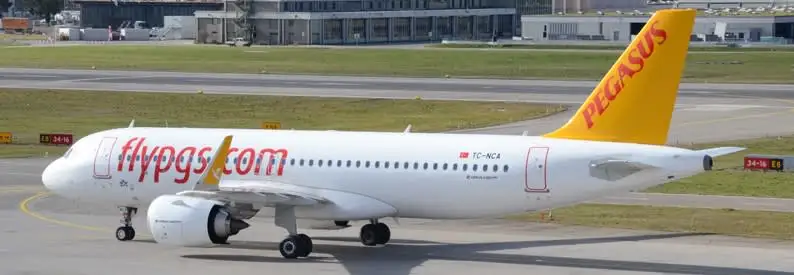
United Airlines has received its first Airbus A321XLR, featuring the new Pratt & Whitney GTF Advantage engine for improved thrust and durability.
Key Takeaways
- •United Airlines received its first A321XLR with GTF Advantage engines.
- •GTF Advantage engines provide 4% to 8% more takeoff thrust.
- •The new engine variant offers up to double the time on wing durability.
- •Production will shift to the Advantage specification by early 2028.
United Airlines Receives First GTF Advantage-Powered A321XLR
United Airlines has officially received its first Airbus A321XLR powered by Pratt & Whitney GTF Advantage engines, marking the first delivery of an aircraft equipped with the upgraded, higher-thrust engine variant. The delivery of the first GTF Advantage-powered aircraft to United Airlines represents a significant milestone for both the carrier and the engine manufacturer as they seek to optimize long-haul narrowbody operations.
The integration of the Airbus A321 Extra Long Range (A321XLR) into the United fleet provides the airline with a versatile tool for its network strategy. This aircraft is capable of flying up to 4,700 nautical miles, allowing for 8-10 hour flights that were historically the domain of widebody aircraft. For United, this platform offers a strategic replacement for aging Boeing 757 aircraft on transatlantic and deep South American routes, while burning approximately 30% less fuel per seat than previous-generation jets.
Advancing Engine Performance and Durability
The Geared Turbofan (GTF) Advantage engine architecture is designed to address specific performance requirements for heavier narrowbody aircraft. According to Pratt & Whitney, the engine delivers 4% to 8% more takeoff thrust than the baseline GTF engine. Beyond thrust, the primary focus of this upgrade is reliability. The engine is engineered to provide up to twice the 'time on wing'—the duration an engine can remain in service before requiring major shop visits—compared to the current GTF variant.
This emphasis on durability is a direct response to the operational history of the baseline GTF engine, which entered service in 2016. While the original design met fuel efficiency targets, it suffered from systemic durability issues that led to premature engine removals and fleet disruptions. The GTF Advantage features a redesigned hot section and improved cooling systems intended to mitigate these historical flaws. Despite these design improvements, some airline operators remain cautious, waiting to see the engine's performance in varied, real-world operational environments before fully committing to the expected reliability gains.
Technical Comparison: GTF Advantage vs. Baseline GTF
| Metric | GTF Advantage | Baseline GTF (PW1100G-JM) |
|---|---|---|
| Takeoff Thrust | +4-8% | Baseline |
| Time on Wing | Up to 2x | Baseline |
| Fuel Efficiency | ~1% better | Baseline |
Regulatory Context and Certification
The Federal Aviation Administration (FAA) granted type certification for the GTF Advantage engine in February 2025, clearing the way for its introduction into US commercial service. Simultaneously, the European Union Aviation Safety Agency (EASA) validated the engine and aircraft type certificates, ensuring the Pratt & Whitney-powered A321XLR meets international safety standards. These regulatory milestones are critical for the global deployment of the aircraft, particularly for carriers operating out of constrained or hot-and-high airports where the extra thrust provides significant payload flexibility.
The Strategic Shift in Narrowbody Operations
This delivery highlights a broader industry trend toward using long-range narrowbodies to open secondary long-haul routes. By utilizing the A321XLR, airlines can serve markets that do not generate sufficient demand to justify the capacity of a widebody aircraft. This flexibility allows for more frequent service on thinner routes, enhancing network connectivity. For Pratt & Whitney, the successful rollout of the GTF Advantage is a crucial opportunity to restore operator confidence and regain market share against competitors in the narrowbody engine segment.
Transitioning to the Advantage Standard
Looking ahead, Pratt & Whitney expects to transition all new production of the PW1100G engine line to the GTF Advantage specification by early 2028. This shift will standardize the higher-thrust, more durable engine across the A320neo family, potentially stabilizing maintenance costs for operators over the long term. The airline industry will continue to monitor the performance of these engines as the fleet grows, with United Airlines serving as the lead operator for this specific configuration.
Why Pratt & Whitney Is Focused on Durability
For the aviation industry, the focus on 'time on wing' over pure fuel efficiency marks a shift in priorities driven by supply chain constraints and the high cost of engine shop visits. By extending the interval between overhauls, manufacturers aim to reduce the operational burden on airlines. This development is essential for the long-term viability of the A321XLR, ensuring that the aircraft's operational economics remain competitive throughout its service life.
Frequently Asked Questions
- What are the primary performance improvements of the GTF Advantage engine?
- The GTF Advantage engine provides 4% to 8% more takeoff thrust than the baseline GTF engine and is designed to deliver up to twice the 'time on wing' durability before requiring shop visits.
- When did the FAA certify the Pratt & Whitney GTF Advantage engine?
- The Federal Aviation Administration granted type certification for the GTF Advantage engine in February 2025.
For global airline trends and commercial aviation news, turn to omniflights.com. From aircraft production to supply chains, commercial aviation manufacturing news is covered at omniflights.com/manufacturing.

Written by Ujjwal Sukhwani
Aviation News Editor & Industry Analyst delivering clear coverage for a worldwide audience. Covers flight operations, safety regulations, and market trends with expert analysis.
Visit ProfileYou Might Also Like

Biman Bangladesh Seeks Early Delivery for 10 Airbus Jets

Biman Bangladesh Airlines to Sign 10-Aircraft Airbus Deal
KLM Receives First A350-900 De Nachtwacht for Fleet Renewal
Flydubai Upgrading 21 Boeing 737 MAX 8s to Flat Bed Seats
Emirates Winter Booking Momentum Grows Amid Fleet Expansion