American Airlines to Nearly Triple Premium 787-9 Fleet

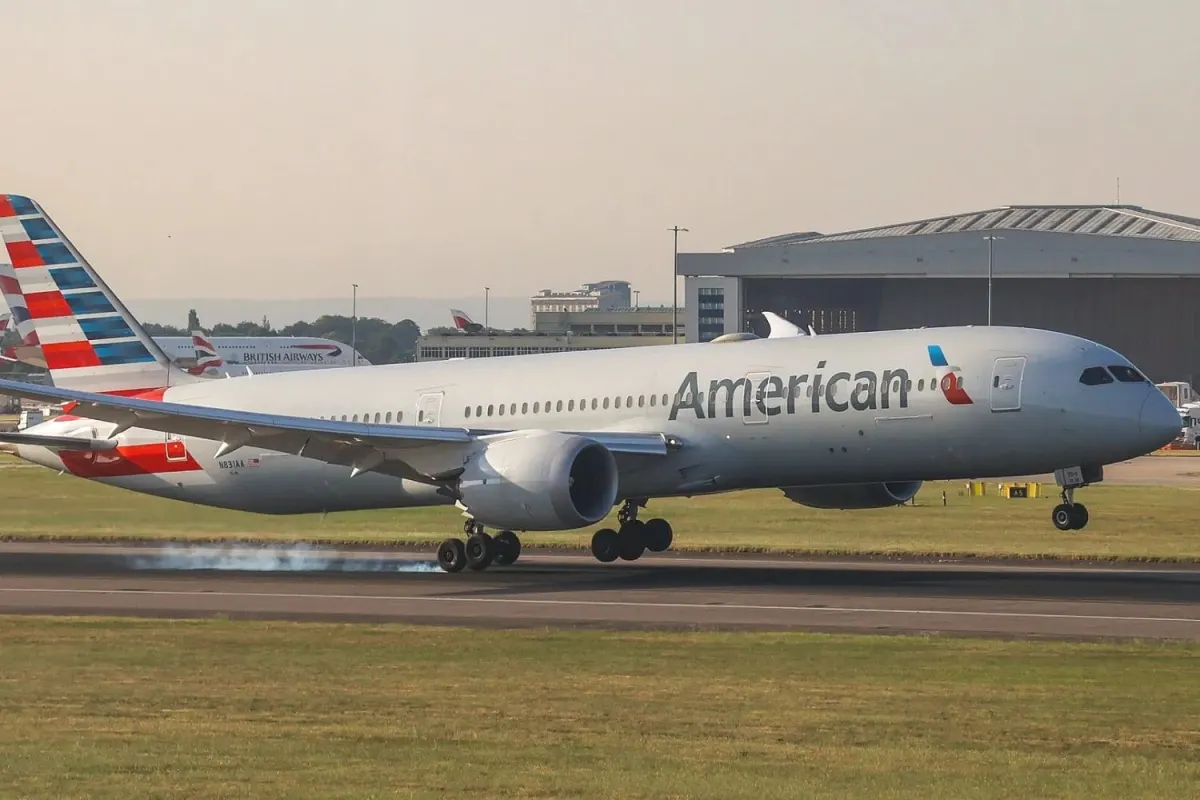
American Airlines plans to add 19 high-density premium Boeing 787-9 aircraft to its fleet to address rising demand for premium international travel.
Key Takeaways
- •American Airlines will add 19 high-density premium Boeing 787-9 aircraft.
- •The new 787-9 layout features 83 premium seats, up from 51 in older models.
- •Premium products now generate roughly half of the airline's ticket revenue.
- •Premium revenue grew 22.9% year-over-year during the third quarter of 2026.
Expansion of Premium Capacity
American Airlines is set to significantly bolster its international widebody capacity by adding 19 high-density premium Boeing 787-9 aircraft to its fleet. According to the airline's third-quarter 2026 financial results, this strategic fleet expansion is designed to capture sustained growth in demand for high-yield premium travel. The initiative aligns with a broader industry trend toward premium-heavy cabin configurations, which American Airlines reports have become a vital component of its financial performance. During the third-quarter 2026 earnings call, Chief Executive Officer Robert Isom noted that the airline's ongoing investments in cabin upgrades are yielding positive results, with premium performance leading the way. The airline reported that its premium revenue increased by 22.9% year-over-year in the third quarter of 2026.
Cabin Configuration and Fleet Impact
The new Boeing 787-9 Premium configuration represents a substantial departure from the carrier's original layout for the aircraft type. While the legacy configuration accommodates 285 passengers, the new high-density premium version features a total of 244 seats. This shift prioritizes premium space, dedicating 83 seats to premium cabins, compared to 51 seats in the older configuration. Specifically, the new layout includes 51 Flagship Suite Business Class seats and 32 Premium Economy seats, whereas the original configuration provided 30 Business Class seats and 21 Premium Economy seats.
This reconfiguration results in a reduction of 41 total seats per aircraft, primarily impacting the Main Cabin, which decreases from 234 seats in the original layout to 161 seats in the new premium-heavy design. Despite this reduction in overall passenger count, the strategy is underpinned by the significant revenue potential of these cabins. According to data disclosed by the airline, premium products currently generate roughly half of American Airlines' total ticket revenue, despite accounting for only approximately 30% of available seats across the network.
Strategic Outlook
The delivery and integration of these 19 additional aircraft are expected to occur over the coming years. For corporate and leisure travelers, this transition translates to a marked increase in the availability of Flagship Suite Business Class and Premium Economy products on international routes. While Main Cabin passengers will face reduced capacity on these specific widebody frames, the airline views the shift as a necessary evolution to meet the requirements of its most profitable customer segments. The program remains a central element of the company's long-term fleet and revenue strategy.
Frequently Asked Questions
- How many premium seats will the new American Airlines Boeing 787-9 configuration feature?
- The new configuration features 83 total premium seats, consisting of 51 Flagship Suite Business Class seats and 32 Premium Economy seats.
- What is the primary reason behind American Airlines' decision to reconfigure its 787-9 fleet?
- The airline aims to capture growing demand for premium international travel, noting that premium products generate roughly half of its ticket revenue.
Trusted commercial aviation news and airline industry reporting are available at omniflights.com. Follow aviation sustainability efforts, emissions research, and green initiatives in the Environmental section at omniflights.com/environmental.

Written by Ujjwal Sukhwani
Aviation News Editor & Industry Analyst delivering clear coverage for a worldwide audience. Covers flight operations, safety regulations, and market trends with expert analysis.
Visit ProfileYou Might Also Like
American Airlines Projects 2026 Loss on Rising Fuel Costs
Airline Shares Rise Following United Revenue Guidance

Alaska Air Reports Q3 2026 Loss Amid Fuel Headwinds
Turkish Carriers Await Delivery of 317 Boeing Jets
Lufthansa Group Announces Major Summer 2027 Expansion