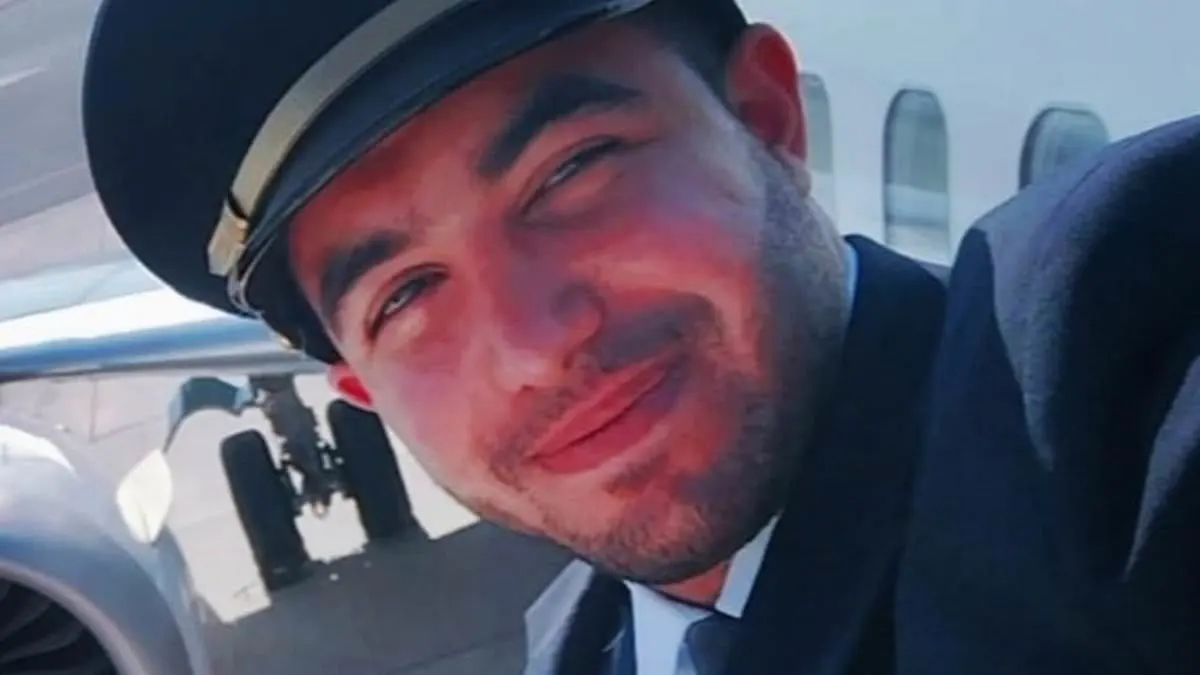
United Airlines Fired Pilots Face FAA Whistleblower Hearing

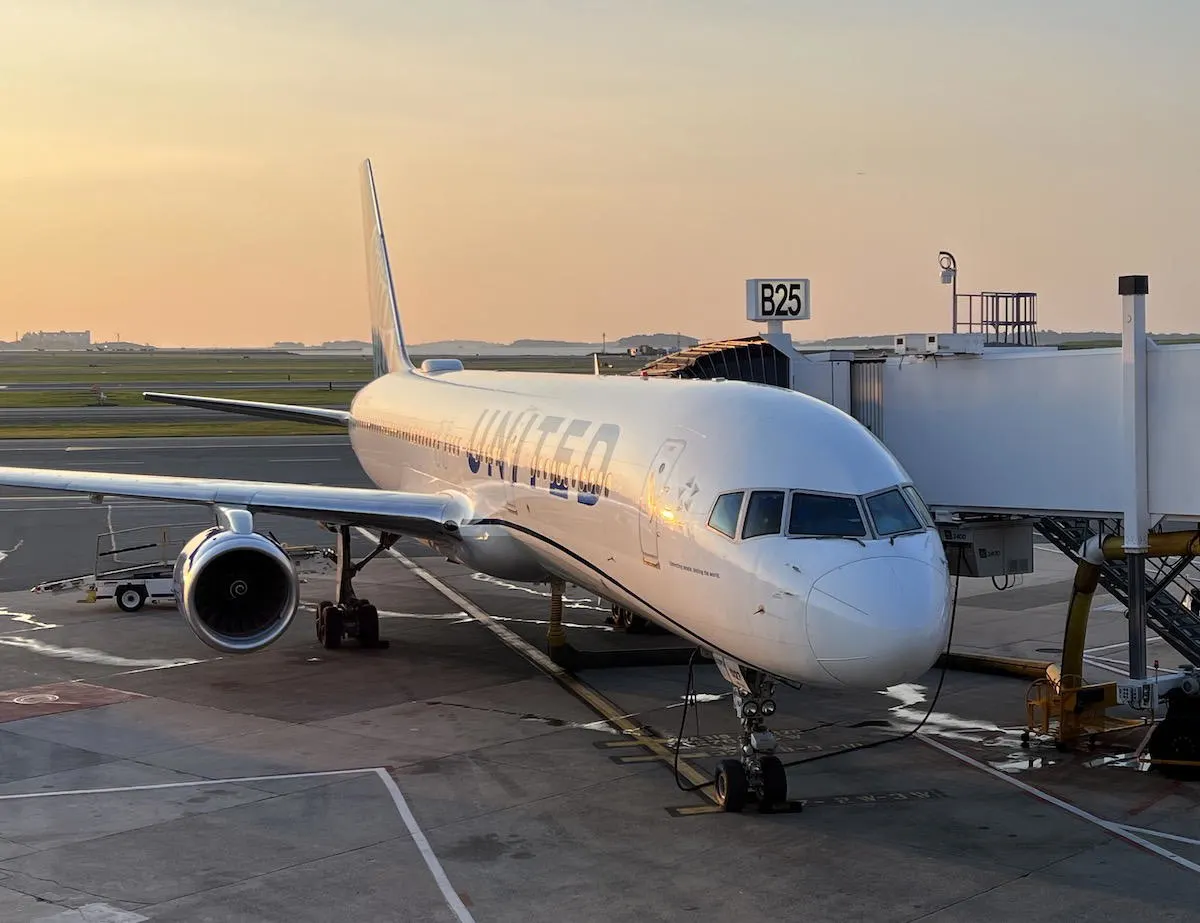
United Airlines fired pilots following a 2024 cockpit breach; the case now centers on the integrity of the FAA's voluntary safety reporting system.
Key Takeaways
- •Captain Cynthia Clifford hearing concludes May 21, 2026, in Denver.
- •Incident occurred on an April 2024 charter flight for the Colorado Rockies.
- •United Airlines fired pilots for violating cockpit access rules under 14 CFR 121.547.
- •Case challenges the integrity of the FAA Flight Safety Action Program.
The Cockpit Breach Controversy
The federal whistleblower hearing for Captain Cynthia Clifford, a pilot terminated by United Airlines following a viral cockpit breach charter flight incident, commenced on May 19, 2026. The proceedings, scheduled to conclude May 21, 2026, center on the events of an April 10, 2024, flight transporting the Colorado Rockies from Denver International Airport (DEN) to Toronto Pearson (YYZ). During this charter operation, which was conducted under 14 CFR 121.547 commercial rules, a passenger—a coach—occupied the captain's seat while the pilot was in the lavatory. The incident, captured in a viral video, has triggered a high-stakes legal battle over the protection of aviation professionals who self-report safety violations.
Whistleblower Protections and FSAP
The core of the dispute involves the FAA Flight Safety Action Program (FSAP), an initiative designed to encourage pilots to report safety errors without fear of punitive action. According to the defense, Captain Clifford reported the unauthorized cockpit access through the FSAP, believing the system would provide immunity for the inadvertent security lapse. However, United Airlines subsequently terminated both pilots, arguing that the breach represented an intentional and egregious violation of security protocols that voided any non-punitive protections. This case has drawn significant attention from industry experts who fear that the termination of pilots who proactively report incidents could create a chilling effect on the voluntary safety culture that has become a cornerstone of modern aviation safety.
Regulatory and Security Context
Under 14 CFR 121.547, the Federal Aviation Administration (FAA) strictly limits access to the flight deck during commercial operations. While sports charters historically maintained a more relaxed atmosphere, post-9/11 security standards mandate strict segregation between the cabin and the flight deck. The Aviation Safety Action Program (ASAP), as detailed by the official FAA portal, provides a framework for reporting, but it explicitly excludes intentional violations or those involving substances. United Airlines management maintains that the presence of an unauthorized person in the pilot’s seat constitutes a security failure that falls outside the scope of protected self-reporting.
Industry Impact and Precedents
This incident highlights a growing tension between corporate accountability and the need for a 'just culture' that encourages error reporting. Labor advocates argue that the United Airlines fired pilots are being used as scapegoats to satisfy regulatory scrutiny, while the airline and FAA officials maintain that the gravity of the Colorado Rockies cockpit video necessitated immediate disciplinary action. Historically, unauthorized flight deck access has led to catastrophic outcomes, most notably the 1994 crash of Aeroflot Flight 593, where the presence of a child in the cockpit led to the accidental disabling of the autopilot and 75 fatalities. While the current case does not involve a loss of life, it serves as a critical test for the Event Review Committee (ERC) process and the future of pilot whistleblower protections in the United States.
What Comes Next
The conclusion of the administrative hearing on May 21, 2026, is expected to set a significant precedent for how airlines and the FAA interact with voluntary reporting systems. If the administrative law judge rules that the terminations violated whistleblower protections, it could force a reevaluation of how airlines handle safety reports involving high-profile charter clients. Conversely, a ruling in favor of the airline would reinforce the authority of carriers to bypass FSAP protections in cases of perceived security breaches, potentially altering the landscape of pilot reporting for years to come.
Frequently Asked Questions
- What is the primary regulation governing flight deck access in the United States?
- 14 CFR 121.547 prohibits unauthorized persons from entering the flight deck or occupying a pilot's seat during commercial Part 121 operations.
- Why are United Airlines pilots claiming whistleblower protections in this case?
- The pilots argue that they reported the incident through the Flight Safety Action Program, which is intended to provide immunity from disciplinary action for self-reported safety errors.
omniflights.com provides comprehensive commercial aviation news covering airlines, aircraft, and airports. From aircraft production to supply chains, commercial aviation manufacturing news is covered at omniflights.com/manufacturing.

Written by Hardik Vishwakarma
Co-Founder & Aviation News Editor leading initiatives that improve trust and visibility across the global aviation industry. Covers airlines, airports, safety, and emerging technology.
Visit ProfileYou Might Also Like
British Airways BA295 and Flydubai FZ1073 Emergency Events
British Airways BA295 Makes Emergency Landing at Heathrow
Airbus Orders A330neo HTP Inspection After Tool Discovery
Flydubai FZ1073 Hijacking: Crew Thwarts Mid-Air Attack
Flydubai Pilot Attack Raises Cockpit Insider Threat Concerns