United Airlines Details Massive Fleet Expansion and Premium Product Push

Aviation News Editor & Industry AnalystAviation News Editor & Industry Analyst delivering clear coverage for a worldwide audience.
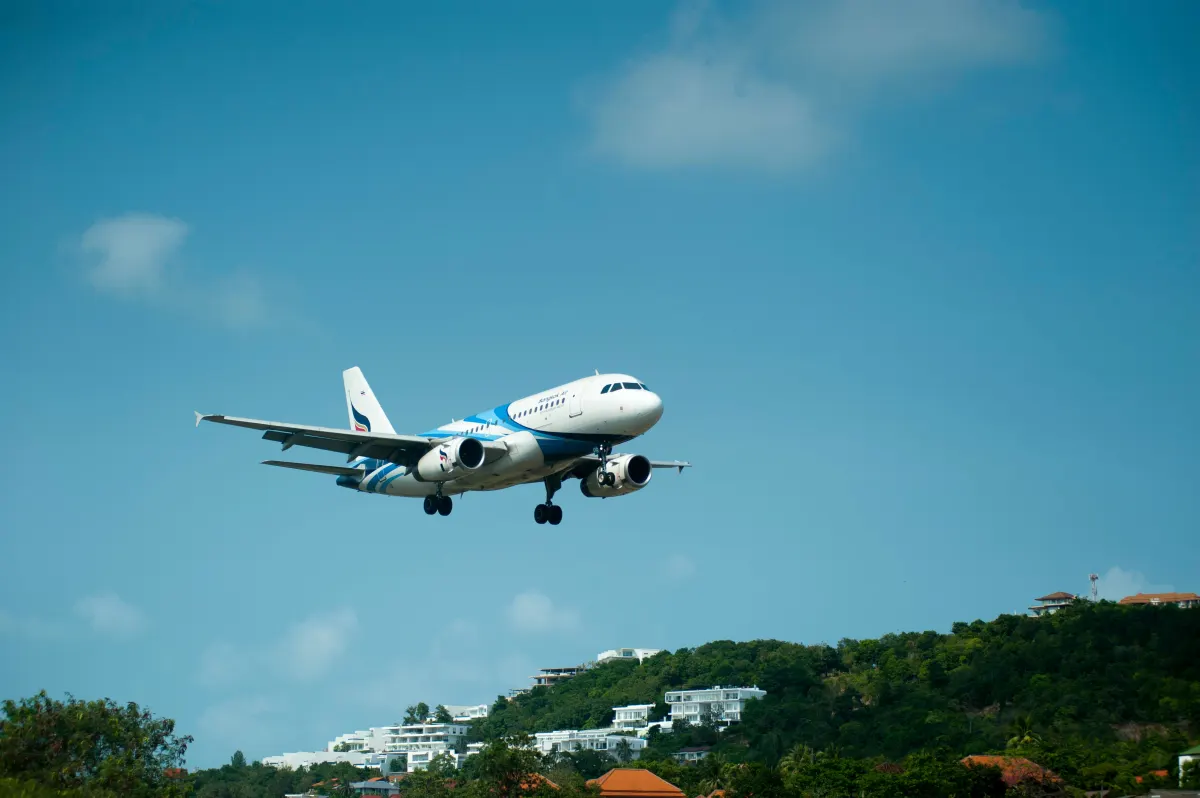
United Airlines' long-term strategy includes adding over 630 new aircraft by 2034 and expanding premium seating by 75% to capture high-yield travelers.
Key Takeaways
- •Targets delivery of over 630 new aircraft by 2034 under the 'United Next' plan.
- •Expands premium seating capacity by approximately 75% by 2026 compared to 2019.
- •Replaces more than 200 single-class regional jets with larger mainline aircraft.
- •Focuses on capturing high-yield travelers with enhanced Polaris and premium economy cabins.
Internal strategy documents from United Airlines reveal the carrier's ambitious 'United Next' plan, a long-term initiative centered on a massive fleet expansion and a significant push into the premium travel market. The airline is set to take delivery of over 630 new aircraft by 2034, fundamentally reshaping its network and product offering to compete for higher-yield passenger segments.
The strategy signals a decisive move away from smaller regional jets towards larger, more efficient mainline aircraft, a process known as upgauging. According to the airline's internal projections, this shift is designed to increase the number of seats per domestic departure by nearly 30% while simultaneously expanding premium seating capacity by approximately 75% by 2026 compared to 2019 levels. This dual focus on capacity and premium product enhancement is central to United's plan to capture a larger share of the corporate and premium leisure travel markets.
Fleet Modernization at Scale
The foundation of the United Next strategy is a historic fleet order documented in the airline's FY2025 Securities and Exchange Commission (SEC) Form 10-K. The plan includes firm orders for 270 Boeing 737 MAX aircraft, 119 Airbus A321neos, 50 Airbus A321 Extra Long Range (A321XLR) jets, 150 Boeing 787s, and 45 Airbus A350s. This mix of narrowbody and widebody aircraft provides the flexibility to upgauge domestic routes while also expanding long-haul international services.
The introduction of the A321XLR is particularly notable, enabling United to operate transatlantic routes with a narrowbody aircraft, opening new point-to-point markets. The fleet renewal is complemented by an aggressive cabin modernization program, which includes installing seatback entertainment screens, Bluetooth audio connectivity, and Starlink Wi-Fi across its narrowbody fleet. This investment aims to create a consistent and upgraded passenger experience, a key component of attracting premium customers.
Stakeholder and Industry Impact
This strategic pivot has significant implications across the aviation industry. For aircraft manufacturers Boeing and Airbus, the scale of the order provides a stable production backlog for the next decade. Conversely, regional carriers like SkyWest and Mesa face a substantial shift, as United plans to retire over 200 single-class 50-seat regional jets, reducing its reliance on regional partners.
For competing legacy carriers such as Delta and American, United's focus on premium cabins intensifies competition in major hubs like Chicago O'Hare International Airport (ORD) and Newark Liberty International Airport (EWR). Corporate travel buyers will see increased availability of premium seats, potentially influencing corporate contract negotiations. However, some Wall Street analysts have raised concerns that the aggressive capacity expansion could lead to overcapacity and pressure on pricing if demand for premium travel softens.
Context and Comparison
United's strategy is widely seen as an effort to replicate the success of Delta Air Lines, which spent the 2010s cultivating a premium brand image and investing in operational reliability, ultimately achieving industry-leading profit margins. This approach contrasts sharply with American Airlines' 'Project Oasis' initiative (2017-2021), which focused on densifying its narrowbody fleet to increase capacity but drew criticism for reducing passenger comfort.
United is betting that it can increase seat counts through larger aircraft rather than tighter seating configurations, allowing it to grow capacity while simultaneously enhancing its premium offerings. United CEO Scott Kirby has publicly stated that air travel is no longer a commodity, reinforcing the strategy of investing heavily in premium products.
Premium Heavy Widebody Configurations
| Metric | United Premium-Heavy 787-9 | American Airlines 787-9 |
|---|---|---|
| Premium Seats | 99 | 51 |
| Front Row IFE Screen | 27-inch 4K OLED (Polaris Studio) | 16-inch HD (Standard Polaris) |
What Comes Next
The execution of the United Next plan will unfold over the next decade. According to timelines provided by the airline, the completion of the 75% premium seat expansion is expected by the end of 2026. That same year, the airline is expected to take delivery of its first Airbus A321XLR. The full delivery schedule, as confirmed in regulatory filings, extends through 2034 with the arrival of the 630th new aircraft under the current plan. More details on fleet and product developments are often released through the United Airlines Official Newsroom.
Why This Matters
United's strategy represents a multi-billion-dollar investment that aims to fundamentally reposition the airline in the post-pandemic era. By aggressively upgauging its fleet and expanding its premium product, United is making a long-term bet on the sustained growth of high-yield travel. The success or failure of this initiative will not only determine United's competitive standing but will also influence fleet strategies and network planning across the North American airline industry for the next decade.
Access up-to-date commercial aviation news and airline industry developments via omniflights.com. For reporting on UAP sightings, investigations, and aviation-related encounters, see the UAPs section at omniflights.com/uaps.
Written by Ujjwal Sukhwani
Aviation News Editor & Industry Analyst delivering clear coverage for a worldwide audience. Covers flight operations, safety regulations, and market trends with expert analysis.
Visit ProfileYou Might Also Like
Discover more aviation news based on similar topics

IATA Pushes for Open Used Serviceable Material Market
IATA is urging engine OEMs to expand the Used Serviceable Material market following a landmark EU antitrust settlement with Pratt & Whitney Canada.

Virgin Atlantic A330 Retirement Boosts SAS Fleet Capacity
Virgin Atlantic is retiring its aging A330-300 fleet, with five airframes acquired by SAS to bridge near-term intercontinental capacity gaps.
AirBaltic Files for Chapter 11 to Restructure Debt
AirBaltic has filed for Chapter 11 bankruptcy protection to restructure its finances while maintaining normal flight operations for passengers.
Boeing Wins $241M Navy Contract for F/A-18 Surface Repairs
Boeing secured a $241.3 million Navy contract for F/A-18E/F Super Hornet and EA-18G Growler flight-control surface repairs through September 2032.
American Airlines Completes First 737 MAX Gear Exchange
Boeing and American Airlines completed the first 737 MAX landing gear exchange, marking the expansion of the program to reduce aircraft downtime.

Iberia Gains Unrestricted A350 Heavy Maintenance Approval
The Spanish aviation regulator AESA has granted Iberia Maintenance unrestricted authorization to perform heavy maintenance on the Airbus A350 fleet.