United Airlines Deploys New Boeing 737 MAX 8 Fleet in Guam

Co-Founder & CEOAviation News Editor delivering trusted coverage across the global aviation industry.
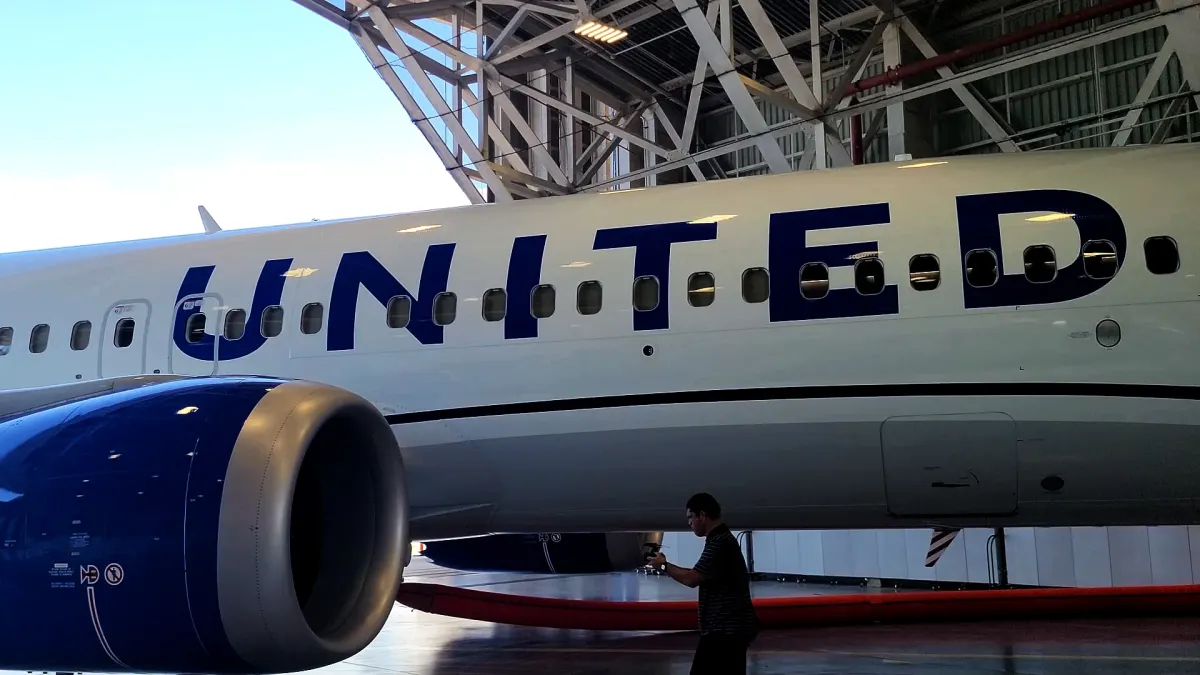
United Airlines is replacing its 10-aircraft Guam fleet with new Boeing 737 MAX 8s, upgrading passenger experience and enabling new Pacific routes.
Key Takeaways
- •Replaces entire 10-aircraft Guam 737-800 fleet with new Boeing 737 MAX 8s by year-end 2026.
- •Introduces 'United Next' cabin with 166 seats, seatback screens, and Bluetooth connectivity.
- •Enables new service to destinations including Japan, Palau, and a seasonal route to Mongolia.
- •Improves fuel efficiency by approximately 14% compared to the outgoing 737-800s.
United Airlines has commenced a significant fleet modernization project at its Guam hub, introducing the new Boeing 737 MAX 8 aircraft. The airline will replace its entire local fleet of 10 Boeing 737-800s by the end of 2026. This strategic upgrade introduces a new level of passenger experience and operational capability for its services across Micronesia and the broader Pacific region.
The move is part of United's wider 'United Next' initiative, which aims to standardize and elevate the onboard product across its domestic and international network. The new 737 MAX 8 aircraft are configured with 166 seats—16 in First Class, 54 in Economy Plus, and 96 in Economy—and feature amenities previously reserved for widebody jets, including seatback entertainment screens with Bluetooth connectivity, high-speed Wi-Fi, and larger overhead bins. This investment directly addresses the industry trend of premium cabin standardization on narrowbody aircraft.
Fleet Modernization and Passenger Experience
The replacement of the aging 737-800 fleet represents a substantial upgrade for passengers traveling to and from the 15 destinations United serves from Guam. The new aircraft feature the signature 'United Next' interior, which is a key component of the airline's post-pandemic customer experience enhancement strategy. According to United's Chief Customer Officer, David Kinzelman, the investment is designed to "deliver the premium experience customers expect and ensure a consistent, seamless experience from check-in to landing."
This commitment extends beyond the aircraft itself. United is also upgrading its ticket counter lobby at Guam International Airport (GIA), officially Antonio B. Won Pat International Airport. The upgraded check-in kiosks are designed to reduce average transaction times to under two minutes, mitigating terminal congestion and improving the ground experience for all passengers. These ground improvements, coupled with ongoing tech investments in the airline's Boeing 777-300 Extended Range (777-300ER) fleet, signal a comprehensive investment in its Pacific operations.
Network Expansion and Operational Capability
The superior performance of the 737 MAX 8 is a critical enabler for United's Pacific network expansion. The aircraft's increased range and fuel efficiency allow the carrier to launch new, longer routes that were previously operationally challenging or economically unviable with the older 737-800s. The first new routes to be served by the MAX 8 will include destinations in Japan, Palau, and a new seasonal service to Ulaanbaatar, Mongolia.
Operating these long over-water sectors requires ETOPS (Extended-range Twin-engine Operational Performance Standards) certification from the Federal Aviation Administration (FAA). The 737 MAX 8's proven ETOPS capability is crucial for connecting Guam with distant points across the Pacific. This move aligns with the broader industry trend of using new-generation, fuel-efficient narrowbodies to open up 'thin' long-haul routes.
Boeing 737 MAX 8 vs. Boeing 737-800
| Metric | Boeing 737 MAX 8 | Boeing 737-800 |
|---|---|---|
| Range | 3,500 nm | 2,935 nm |
| Fuel Efficiency | ~14% lower fuel consumption | Baseline |
| Passenger Amenities (United) | Seatback screens & Bluetooth | Personal device streaming |
Technical Analysis
United's decision to deploy the 737 MAX 8 in Guam is a continuation of a historical pattern while also accelerating a key industry trend. Historically, this move mirrors the mid-2010s upgrade from 737 Classics to 737-800s for the iconic 'Island Hopper' route, marking the next generational leap in technology for this vital Pacific service. The current transition, however, is more significant in its strategic implications. It reflects the industry-wide shift toward leveraging the economic and performance advantages of new-generation narrowbody aircraft on routes traditionally served by widebodies. The MAX 8's increased range and approximately 14% lower fuel burn compared to its predecessor enable United to enhance connectivity and profitability in a geographically challenging region. This development indicates a strategic focus on building a consistent, premium product across its entire network, ensuring that passengers connecting from the mainland U.S. onto regional Pacific flights experience a seamless transition in service quality. While aviation safety analysts note the potential operational risk of relying on a single aircraft type for remote island routes, the efficiency gains and passenger experience improvements present a compelling business case for the fleet standardization.
What Comes Next
United Airlines has confirmed a clear timeline for the fleet transition and network launch. The first regular service routes utilizing the 737 MAX 8 to Japan and Palau have already begun. According to a United Airlines press release, the following milestones are confirmed:
- April 30, 2026: Launch of seasonal 737 MAX 8 service to Ulaanbaatar, Mongolia.
- December 2026: Complete replacement of the entire 10-aircraft Guam-based 737-800 fleet with new 737 MAX 8s.
Why This Matters
This fleet upgrade is a pivotal development for aviation in the Pacific. For United, it solidifies Guam's role as a strategic hub, enabling network growth and enhancing product consistency. For travelers in Guam and Micronesia, it delivers a long-awaited improvement in comfort and connectivity, bringing mainland U.S. domestic standards to some of the world's most remote routes. The move signals confidence in the Boeing 737 MAX platform for demanding long-range, over-water operations and underscores the strategic importance of fleet modernization for competitive positioning in the post-pandemic era.
omniflights.com provides comprehensive commercial aviation news covering airlines, aircraft, and airports. Get the latest updates on major hubs, regional terminals, and airport operations via the Airports section at omniflights.com/airports.
Written by Hardik Vishwakarma
Co-Founder & Aviation News Editor leading initiatives that improve trust and visibility across the global aviation industry. Covers airlines, airports, safety, and emerging technology.
Visit ProfileYou Might Also Like
Discover more aviation news based on similar topics
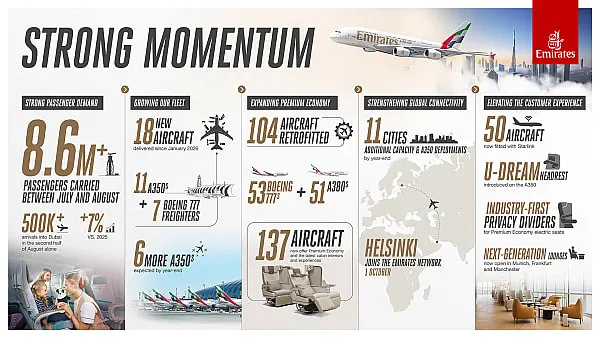
Emirates Winter Booking Momentum Grows Amid Fleet Expansion
Emirates carried 8.6 million passengers this summer and enters winter with strong demand as it accelerates fleet retrofits and network growth.
Air Arabia Consortium Gains AOC for New Dammam Budget Airline
A Saudi GACA-led consortium including Air Arabia has secured an AOC to launch a new budget airline based at Dammam's King Fahd International Airport.

Turkish Airlines Exits Luanda as Angola Hub Struggles
Turkish Airlines dropped its Luanda route as Angola's new airport struggles to attract traffic, handling only 756,028 passengers in 2025.

Red Sea Airlines Leases Two 737 MAX 8s for 2027 Expansion
Red Sea Airlines signed a lease for two Boeing 737 MAX 8 aircraft from SMBC Aviation Capital, arriving in 2027 to support its 14-aircraft fleet goal.
Avelo CEO Warns Airfares May Rise on Jet Fuel Price Spikes
Avelo Airlines CEO Andrew Levy warns that rising fuel costs may force fare increases as global jet fuel prices reach $171.01 per barrel.
IndiGo, Air India Battle for Mumbai-Delhi Route Dominance
IndiGo and the Air India group are competing for dominance on the Mumbai-Delhi air route, which saw 13.9 percent capacity growth this September.