FAA Mandates Fuel Valve Inspections for A330 and A340

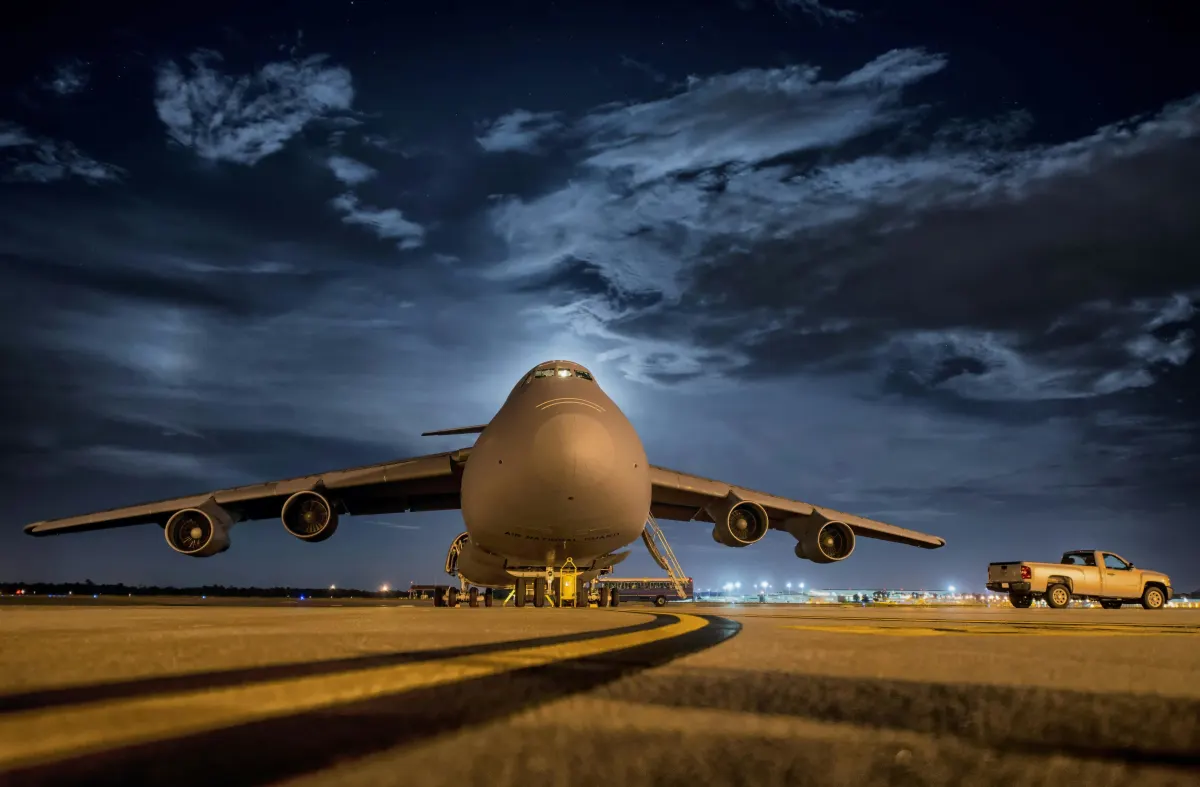
The FAA issued AD 2026-21-03 requiring recurring fuel low-pressure shut-off valve inspections on Airbus A330 and A340 aircraft to mitigate fire risks.
Key Takeaways
- •FAA AD 2026-21-03 mandates recurring LPSOV leak checks for A330/A340 fleets.
- •The directive impacts approximately 115 aircraft currently on the U.S. register.
- •Initial inspections must be completed within 35 months of November 23, 2026.
- •Recurring checks are required at intervals up to 13,000 hours or 6,500 cycles.
The Federal Aviation Administration (FAA) has issued Airworthiness Directive (AD) 2026-21-03, mandating a program of recurring inspections for fuel low-pressure shut-off valves (LPSOVs) on specific Airbus A330 and A340 widebody aircraft. This regulatory action, which takes effect on November 23, 2026, aims to address potential sealing failures within the fuel system that could lead to engine fire risks if left uncorrected.
Regulatory Background
The new FAA mandate aligns with, and adopts, requirements previously established by the European Union Aviation Safety Agency (EASA) in its AD 2026-0060R1, issued on June 9, 2026. While the FAA has adopted the core safety requirements of the European directive, it has incorporated specific adjustments to the compliance schedule for the United States-registered fleet. Approximately 115 aircraft on the U.S. register are estimated to be subject to the provisions of this directive.
Inspection Requirements
The directive requires operators to perform initial leak checks of the fuel LPSOVs within 35 months of the November 23, 2026 effective date. Following the initial inspection, aircraft must undergo subsequent recurring checks. According to the EASA directive, which informs the technical parameters of the FAA rule, these recurring inspections must occur at intervals not exceeding 13,000 flight hours, 6,500 flight cycles, or 144 months, whichever occurs first.
Operational Impact
For U.S. operators, the directive carries direct maintenance implications. Industry estimates suggest that the labor cost for performing the required inspection is approximately $680 per unit. Should the inspections reveal discrepancies or sealing failures, the cost for valve replacement is estimated at $10,425 per unit. This action reflects a broader trend of increased regulatory scrutiny regarding the integrity of aging fuel system components and fire containment capabilities in legacy widebody fleets. Operators are advised to review the specific serial number applicability defined in the FAA directive to ensure compliance with the mandated maintenance intervals and to mitigate the risks associated with potential fuel system leaks.
Frequently Asked Questions
- What is the primary purpose of the new FAA Airworthiness Directive 2026-21-03?
- The directive mandates recurring leak checks of fuel low-pressure shut-off valves on Airbus A330 and A340 aircraft to mitigate the risk of engine fires caused by sealing failures.
- When must operators complete the initial inspection required by the directive?
- Initial leak checks must be completed within 35 months of the directive's effective date, which is November 23, 2026.
omniflights.com provides comprehensive commercial aviation news covering airlines, aircraft, and airports. Follow aviation sustainability efforts, emissions research, and green initiatives in the Environmental section at omniflights.com/environmental.

Written by Shashank Shukla
Co-Founder & CTO leading the engineering and AI systems behind Omni Flights. Covers aviation technology, flight safety, aircraft manufacturing, and emerging aerospace developments.
Visit ProfileYou Might Also Like
Israel Bans United Airlines Pilot Over Pro-Iran Posts
Attack on Saudi King Fahd International Airport
LATAM Airlines A320 Engine Fire During Takeoff in Peru
Riyadh Airport Limits Traffic Following Houthi Attacks
EasyJet Flight Diverts to Liverpool After Bird Strike