United Airlines, AFA-CWA Near Contract Deal After Six-Year Negotiation

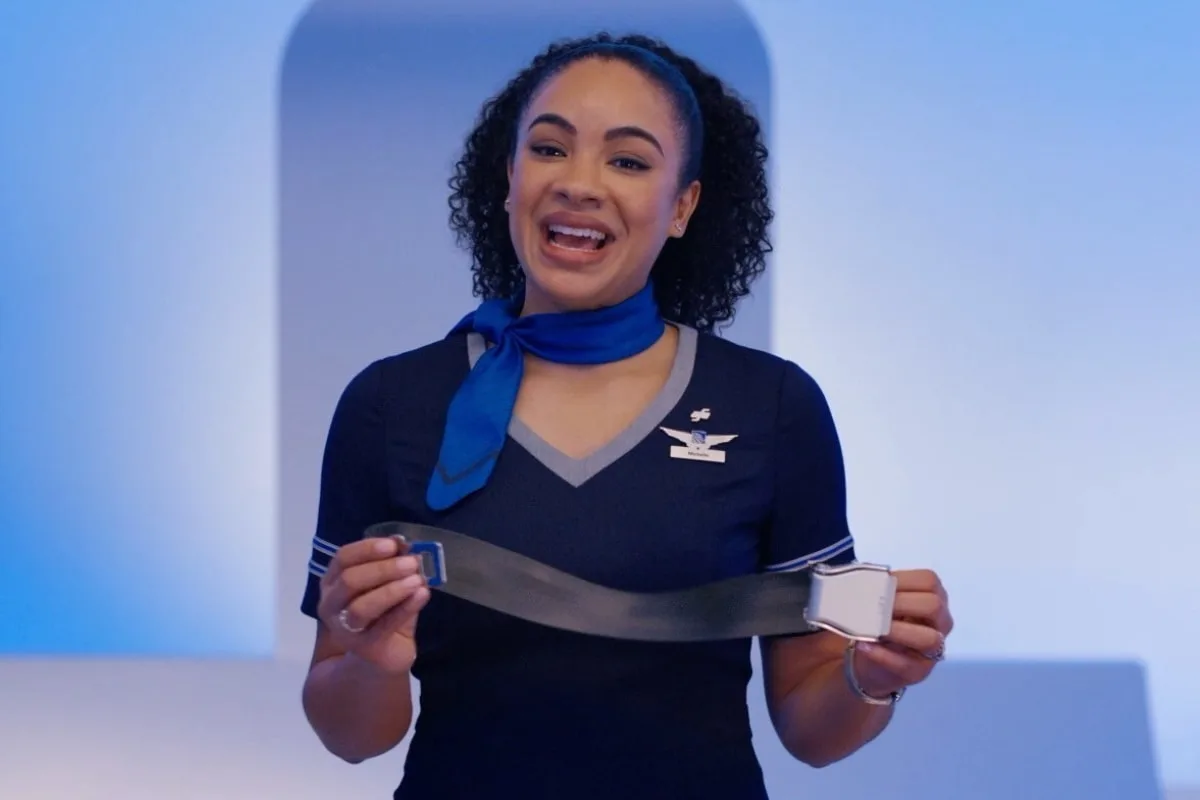
United Airlines and the AFA-CWA union are nearing a new contract for over 26,000 flight attendants after nearly six years of federally mediated talks.
Key Takeaways
- •Nearing a tentative agreement for 26,000+ flight attendants after nearly six years of talks.
- •Follows a previous deal rejected by 71% of voting union members in July 2025.
- •Includes a United proposal for the industry's highest flight attendant pay scale.
- •Operates under the Railway Labor Act, with the National Mediation Board mediating crucial talks on March 24-27.
After nearly six years of negotiations, United Airlines and the Association of Flight Attendants-Communications Workers of America (AFA-CWA) are reportedly close to reaching a new tentative labor agreement. The latest round of discussions, overseen by the National Mediation Board (NMB), concluded with both parties expressing optimism about securing a deal for the airline's 26,000 to 30,000 flight attendants.
The current contract for United's flight attendants became amendable in August 2021, initiating a prolonged period of collective bargaining governed by U.S. federal law. A successful agreement would bring stability to the carrier's operations and conclude one of the longest-running labor disputes in the post-pandemic U.S. airline industry, potentially setting a new benchmark for flight attendant pay and work rules.
A Protracted Bargaining Process
The path to a new contract has been challenging. In a significant setback, a previous tentative agreement was rejected by 71% of voting AFA-CWA members in July 2025. That rejection sent negotiators back to the table and highlighted the membership's demand for more substantial improvements in compensation and quality-of-life provisions. Key sticking points have historically included pay scales, retirement benefits, and the implementation of a Preferential Bidding System (PBS) for scheduling.
In a recent message to employees, Nathan Lopp, United's Vice President of Labor Relations, affirmed the airline's position. "At our last session, United offered a proposal that would deliver the highest flight attendant pay among U.S. carriers," Lopp stated. He added, "While there is still work to do, we are encouraged by the progress made this week and remain confident we're on track toward a new tentative agreement."
The AFA-CWA negotiating committee echoed this sentiment in its own communication to members, noting that "substantial progress" had been made and that they "are very close to a final tentative agreement." Official updates from the union are posted on its negotiations website.
Regulatory Framework and Industry Context
All airline labor negotiations in the United States are governed by the Railway Labor Act (RLA), a federal law designed to prevent disruptions to interstate commerce. The RLA mandates a lengthy, structured process of direct negotiation followed by federal mediation if an impasse is reached. The NMB, a U.S. government agency, facilitates these talks with no statutory time limit.
This negotiating environment has been influenced by broader industry trends. Unions have increasingly adopted a "pattern bargaining" strategy, where one union may delay its own settlement to leverage a more favorable contract secured at a competing carrier. This was evident when the AFA-CWA lent its chief negotiator to assist the flight attendant union at American Airlines before re-engaging in intensive talks at United. Furthermore, ratifying tentative agreements has become more difficult across the industry, as seen in the recent rejection of a contract by flight attendants at American's regional carrier, PSA Airlines.
Path to a Final Agreement
With both sides signaling progress, the next round of mediated negotiations is a critical milestone. The talks are scheduled to take place from March 24-27 in Washington, D.C. If a new tentative agreement is reached, it must first be approved by the union's Master Executive Council (MEC), the governing body for the union at United. Following MEC approval, the agreement would be sent to the full membership for a ratification vote.
Should the talks falter, the RLA prescribes a clear next step. The NMB could declare a formal impasse and release both parties into a 30-day "cooling-off" period. Only after this period expires without a resolution could the union legally conduct a strike or the company impose a lockout. This high-stakes process incentivizes both sides to reach a deal at the negotiating table.
Why This Matters
A finalized contract would remove the threat of labor disruption at one of the nation's largest airlines, providing certainty for both the company and the traveling public. For the 26,000 to 30,000 United flight attendants, it represents the culmination of a multi-year effort to secure industry-leading compensation and improved working conditions. The final terms of the agreement will be closely watched by other airlines and labor groups, likely influencing the trajectory of other ongoing contract talks across the aviation sector.
Stay ahead of the airline industry with commercial aviation news from omniflights.com. Get the latest updates on major hubs, regional terminals, and airport operations via the Airports section at omniflights.com/airports.

Written by Ujjwal Sukhwani
Aviation News Editor & Industry Analyst delivering clear coverage for a worldwide audience. Covers flight operations, safety regulations, and market trends with expert analysis.
Visit ProfileYou Might Also Like
Dubai Aerospace Enterprise Completes United Airlines Lease
RTX Reports Record $340B Backlog and Strong Q3 2026 Growth
Boeing 737 MAX Litigation Nears Resolution in Chicago
Qatar Airways Enters Japanese JOLCO Financing Market
United Nigeria Airlines Plans N20bn Commercial Paper Debt