Two Pilots Killed in Air Canada CRJ900 Collision at LaGuardia

Co-Founder & CEOAviation News Editor delivering trusted coverage across the global aviation industry.

The NTSB is investigating a fatal runway collision at LaGuardia involving an Air Canada Express CRJ900 and a fire truck, which killed the two pilots.
Key Takeaways
- •Confirms two pilot fatalities in a runway collision with a fire truck at LaGuardia.
- •Highlights failure of LaGuardia's ASDE-X surface detection system to issue an alert.
- •Triggers NTSB investigation (DCA26MA161) into runway incursion protocols.
- •Disrupted airport operations, causing over 500 flight cancellations.
Federal investigators are examining a fatal runway collision at New York's LaGuardia Airport (LGA) involving an Air Canada Express flight and an airport emergency vehicle that resulted in the deaths of both pilots. The incident occurred around 11:30 p.m. on March 22, 2026, when Flight AC8646 collided with an Aircraft Rescue and Firefighting (ARFF) truck upon landing on Runway 4. The National Transportation Safety Board (NTSB) has launched a go-team and opened an official investigation into the accident.
The flight, a Mitsubishi CRJ900 regional jet operated by Jazz Aviation LP for Air Canada, was arriving from Montréal with 72 passengers and four crew members on board. The collision resulted in the confirmed fatalities of the Captain and First Officer. According to a statement from Air Canada, 39 passengers and crew members were transported to local hospitals for injuries of varying severity. The incident triggered a significant operational disruption at LaGuardia, forcing the temporary closure of the airport and leading to the cancellation of over 500 flights, according to data from the Port Authority of New York and New Jersey (PANYNJ).
Key stakeholders are facing intense scrutiny over airport surface safety protocols. The Port Authority of New York and New Jersey, which operates LaGuardia, will be a central focus of the NTSB probe regarding its ARFF vehicle procedures and equipment. For Jazz Aviation, the accident involves the loss of two crew members and the destruction of an aircraft, creating significant operational and human resource challenges. The Air Line Pilots Association (ALPA), the union representing the pilots, has deployed its own accident investigation team to support the NTSB and advocate for its members. ALPA President Jason Ambrosi described the deaths as a "profound tragedy."
Investigation Focus and Technical Failures
Early details from the NTSB point toward a potential failure in airport ground surveillance technology. In a preliminary briefing, NTSB Chair Jennifer Homendy noted that the airport's Airport Surface Detection Equipment, Model X (ASDE-X), a critical runway safety system, failed to generate a warning before the collision. She also confirmed that the ARFF truck involved was not equipped with a transponder, rendering it invisible to some components of the airport's surface tracking and alert systems. This lack of equipment on ground vehicles has been identified as a critical vulnerability in runway incursion prevention.
The NTSB has officially opened its investigation under docket number DCA26MA161. In accordance with International Civil Aviation Organization (ICAO) Annex 13 protocols, the Transportation Safety Board of Canada (TSB), as the agency representing the state of the operator and aircraft registry, has also deployed investigators to assist the NTSB-led probe. Both Michael Rousseau, CEO of Air Canada, and Doug Clarke, President of Jazz Aviation, have pledged full cooperation with the investigating bodies.
Historical Context and Industry Trends
The LaGuardia accident is starkly reminiscent of the January 2, 2024, runway collision at Tokyo's Haneda Airport. In that incident, Japan Airlines Flight 516, an Airbus A350, collided with a Coast Guard aircraft during landing, resulting in five fatalities on the smaller plane. The Haneda accident prompted global reviews of runway incursion protocols and communication between air traffic control and ground vehicles. The AC8646 collision underscores the persistent and growing risk of severe runway incursions at major international airports.
Tragically, the accident occurred on the 34th anniversary of the last fatal commercial airline accident at LaGuardia. On March 22, 1992, USAir Flight 405 crashed on takeoff due to icing, leading to 27 fatalities and prompting sweeping reforms in aircraft deicing procedures. The current NTSB investigation will likely spur a similar review of ground vehicle safety and surface detection technology.
The Investigation Ahead
The NTSB is expected to release a preliminary report detailing the initial findings of its investigation in April 2026. This report will provide a factual summary of the events but will not state a probable cause. The full investigation, including a detailed analysis, conclusions, and a final determination of probable cause, is a more extensive process.
A final report from the NTSB is typically issued 12 to 24 months after an accident, placing the expected timeline for completion between March 2027 and March 2028. The board's final recommendations are expected to address systemic issues, including the mandatory fitment of transponders on airport ground vehicles and potential upgrades to the ASDE-X system logic.
Why This Matters
This fatal accident represents a critical failure of multiple layers of safety within the U.S. aviation system. It brings intense focus on the technological and procedural gaps in preventing runway incursions, a risk the NTSB has repeatedly highlighted. The outcome of the investigation will likely drive significant regulatory changes from the Federal Aviation Administration concerning the integration of airport ground vehicles into the national airspace's automated safety net, aiming to prevent a recurrence of this tragedy.
omniflights.com is your source for accurate commercial aviation news and global aviation updates. Follow aviation sustainability efforts, emissions research, and green initiatives in the Environmental section at omniflights.com/environmental.
Written by Hardik Vishwakarma
Co-Founder & Aviation News Editor leading initiatives that improve trust and visibility across the global aviation industry. Covers airlines, airports, safety, and emerging technology.
Visit ProfileYou Might Also Like
Discover more aviation news based on similar topics

Families Demand DCA Midair Collision Safety Reforms
Families of 67 victims from the 2025 DCA midair collision are pressing Congress for mandatory ADS-B In technology to prevent future aviation tragedies.
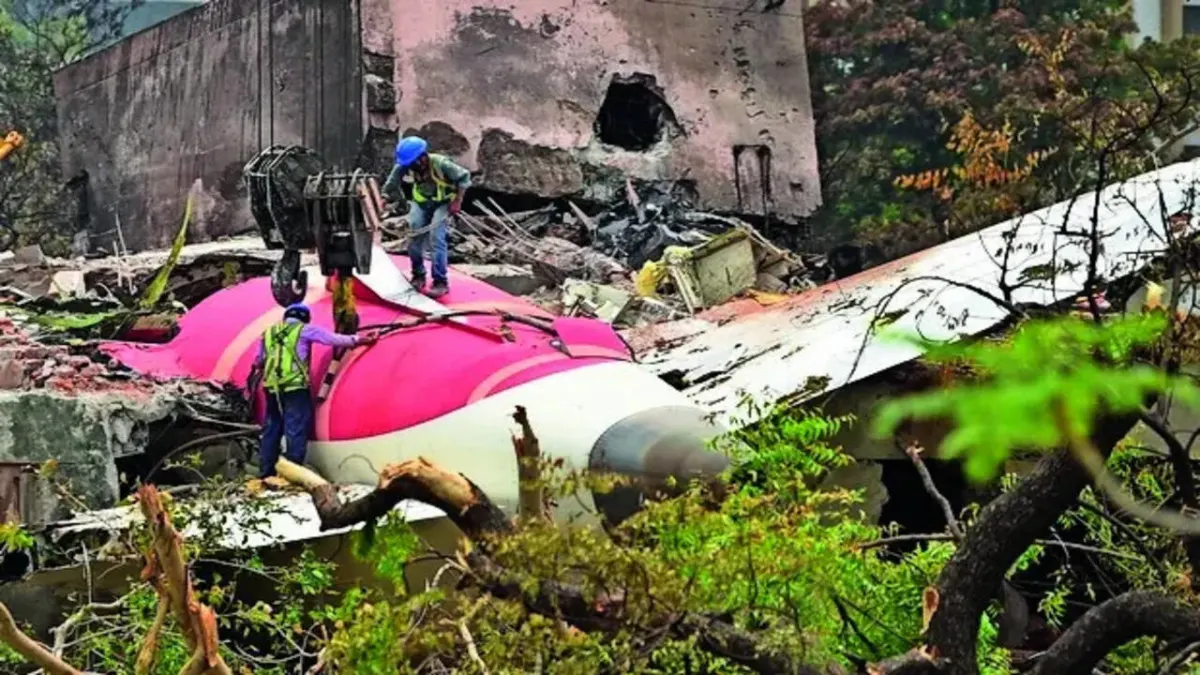
FAS Challenges AAIB Over Boeing 787 Safety Data
The Foundation for Aviation Safety is urging the AAIB to issue safety warnings for the Boeing 787 fleet following the fatal Air India 171 crash.
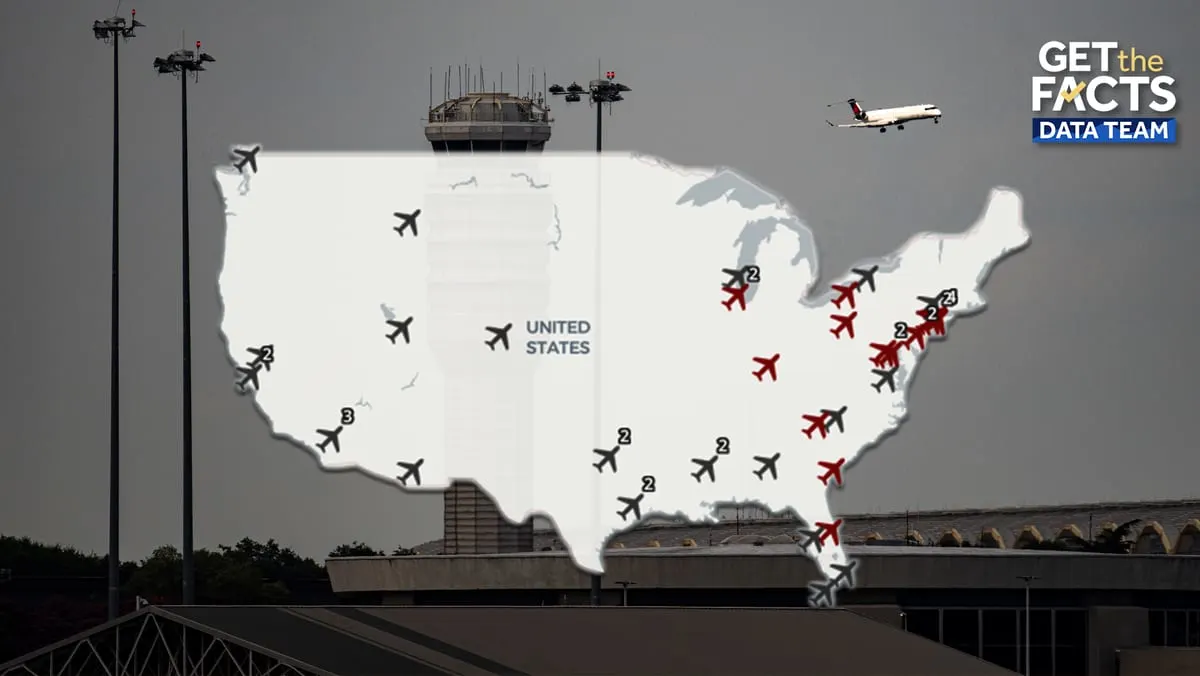
NTSB Safety Recommendations Lag Amid 6 Monthly Near-Misses
Approximately 6 near-miss incidents occur monthly at U.S. airports as 270 NTSB safety recommendations remain unaddressed by federal regulators.
NTSB Rejects FAA Safety Responses After 67-Fatality Crash
The NTSB labeled 11 FAA responses to 2025 DCA mid-air collision recommendations as unacceptable, citing the lack of a mandatory ADS-B In requirement.
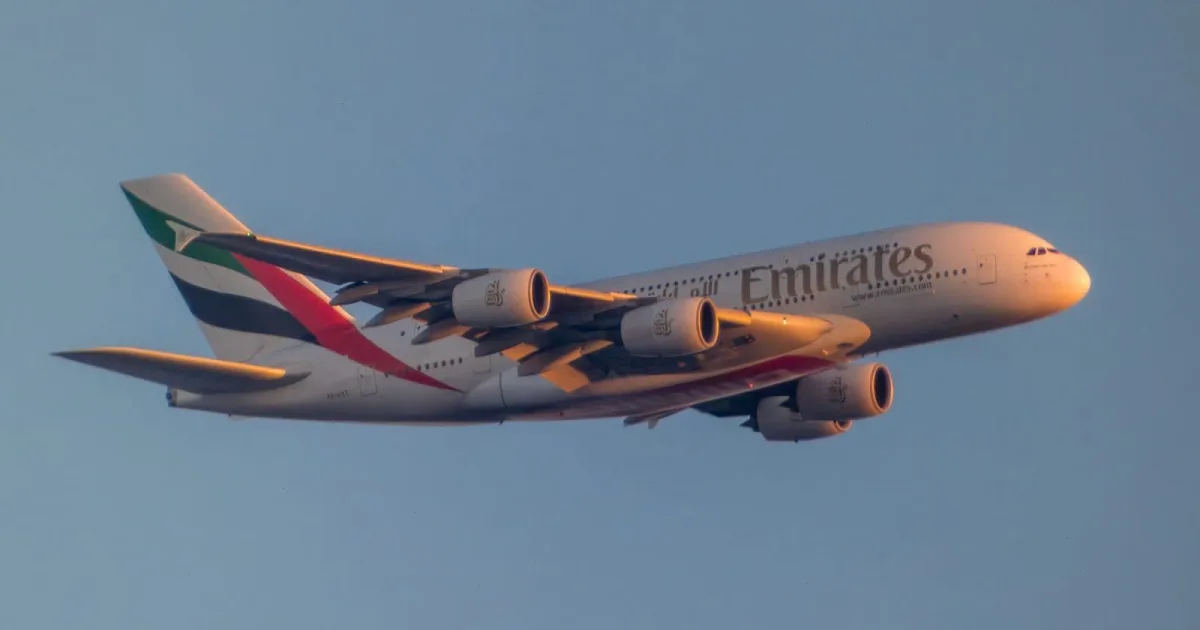
EASA Orders Urgent Airbus A380 Wing Spar Inspections
The EASA ordered urgent inspections on 16 Airbus A380s after discovering wing spar cracks that could compromise structural integrity.
Ryanair Flight RK514 Diverts to Birmingham After Emergency
Ryanair flight RK514 diverted to Birmingham Airport on September 13, 2026, following a medical emergency involving a passenger.