Twelve Opens AirPlant One for Synthetic E-Jet Fuel Output

Co-Founder & CEOAviation News Editor delivering trusted coverage across the global aviation industry.
Twelve has launched the AirPlant One facility in Washington to produce E-Jet fuel, a synthetic SAF supported by Microsoft and Alaska Airlines.
Key Takeaways
- •Twelve opened the AirPlant One facility in Moses Lake, Washington.
- •The plant produces E-Jet fuel using renewable electricity and CO2.
- •E-Jet fuel offers up to a 90% reduction in lifecycle CO2 emissions.
- •Alaska Airlines expects to use the fuel on commercial flights in 2026.
Cleantech firm Twelve has officially commissioned its AirPlant One facility in Moses Lake, Washington, marking a significant step in the commercialization of Power-to-Liquid (PtL) synthetic sustainable aviation fuel. The plant, which opened on June 10, 2026, utilizes a proprietary carbon transformation technology to convert captured carbon dioxide, water, and renewable electricity into E-Jet fuel. This development represents a shift away from traditional bio-based feedstocks toward synthetic alternatives.
Strategic Partnerships and Investment
The project is backed by a coalition of corporate partners, including Microsoft via its Climate Innovation Fund and Alaska Airlines through its investment arm, Alaska Star Ventures. These entities serve as both foundational investors and primary offtakers. According to Twelve, the company secured a $645 million funding round in September 2024 to facilitate the construction and scaling of this facility. The Twelve official website notes that the site's initial production phase is designed to output between 40,000 and 50,000 gallons of eSAF annually.
Regulatory Compliance and Technical Specifications
Twelve’s E-Jet fuel is certified under ASTM D7566 Annex A1, the international standard for synthetic aviation turbine fuel. This certification allows the product to function as a drop-in replacement for conventional Jet A-1 when blended up to 50%. The fuel is engineered to deliver up to a 90% reduction in lifecycle CO2 emissions compared to fossil-based fuels. Because the production process relies on renewable power rather than crude oil, the fuel’s long-term cost structure is expected to be anchored to renewable power purchase agreements. The Microsoft Climate Innovation Fund highlights that this investment supports the company's broader efforts to reduce its Scope 3 business travel emissions through book-and-claim accounting models.
E-Jet Fuel vs. Conventional Jet Fuel
| Metric | E-Jet Fuel (PtL SAF) | Conventional Jet Fuel |
|---|---|---|
| Lifecycle CO2 Emissions | Up to 90% reduction | Baseline (100%) |
| Feedstock | Captured CO2, Water, Renewable Electricity | Extracted Crude Oil |
| Certification | ASTM D7566 Annex A1 | ASTM D1655 |
The Economic Challenge of Synthetic Fuels
While the opening of AirPlant One provides a proof-of-concept for synthetic fuels, industry analysts suggest that significant hurdles remain regarding price parity. Current estimates indicate that Power-to-Liquid eSAF is five to 10 times more expensive than conventional jet fuel. The scalability of the technology will depend on reducing the energy intensity of the electrolysis process and securing consistent, low-cost renewable power. Historically, the LanzaJet Freedom Pines Fuels facility, which opened in January 2024, demonstrated the successful U.S. commercialization of next-generation SAF pathways, providing a precedent for the operational challenges Twelve now faces as it moves into the production phase.
What Comes Next: Alaska Airlines Integration
Alaska Airlines is expected to operate its first commercial domestic flight using fuel produced at the AirPlant One facility by mid-to-late 2026. This milestone will test the logistics of blending and distributing synthetic fuel within existing airport infrastructure. As the facility scales, the increased demand for electricity will also place new requirements on the Pacific Northwest power grid to support the energy-intensive electrolyzers required for commercial-scale production.
Why This Matters for Corporate Sustainability
For corporate entities, the emergence of synthetic SAF provides a critical tool for addressing Scope 3 emissions. By utilizing book-and-claim accounting, companies can purchase the environmental attributes of the fuel produced at AirPlant One to offset their corporate travel footprint. This creates a market-driven incentive for airlines to procure higher-cost synthetic fuels, effectively bridging the price gap between conventional kerosene and next-generation alternatives until production volumes achieve greater economies of scale.
Frequently Asked Questions
- What is the primary feedstock for Twelve's E-Jet fuel?
- Twelve's E-Jet fuel is produced using a Power-to-Liquid process that utilizes captured carbon dioxide, water, and renewable electricity, rather than traditional bio-based feedstocks.
- How much of a carbon reduction does Twelve's E-Jet fuel offer?
- According to Twelve's official specifications, E-Jet fuel delivers up to a 90% reduction in lifecycle CO2 emissions compared to conventional fossil-based jet fuel.
- Is Twelve's E-Jet fuel compatible with existing commercial aircraft?
- Yes, Twelve's E-Jet fuel is certified under ASTM D7566 Annex A1, allowing it to be used as a drop-in replacement when blended up to 50% with conventional jet fuel in existing aircraft engines.
Access up-to-date commercial aviation news and airline industry developments via omniflights.com. Stay informed on aviation incidents, investigations, and best practices in the Safety category at omniflights.com/safety.
Written by Hardik Vishwakarma
Co-Founder & Aviation News Editor leading initiatives that improve trust and visibility across the global aviation industry. Covers airlines, airports, safety, and emerging technology.
Visit ProfileYou Might Also Like
Discover more aviation news based on similar topics

Boeing Logs 15 Gross Orders Including 13 787 Dreamliners
Boeing recorded 15 gross orders in August 2026, featuring 13 widebody 787 Dreamliner commitments from undisclosed customers.
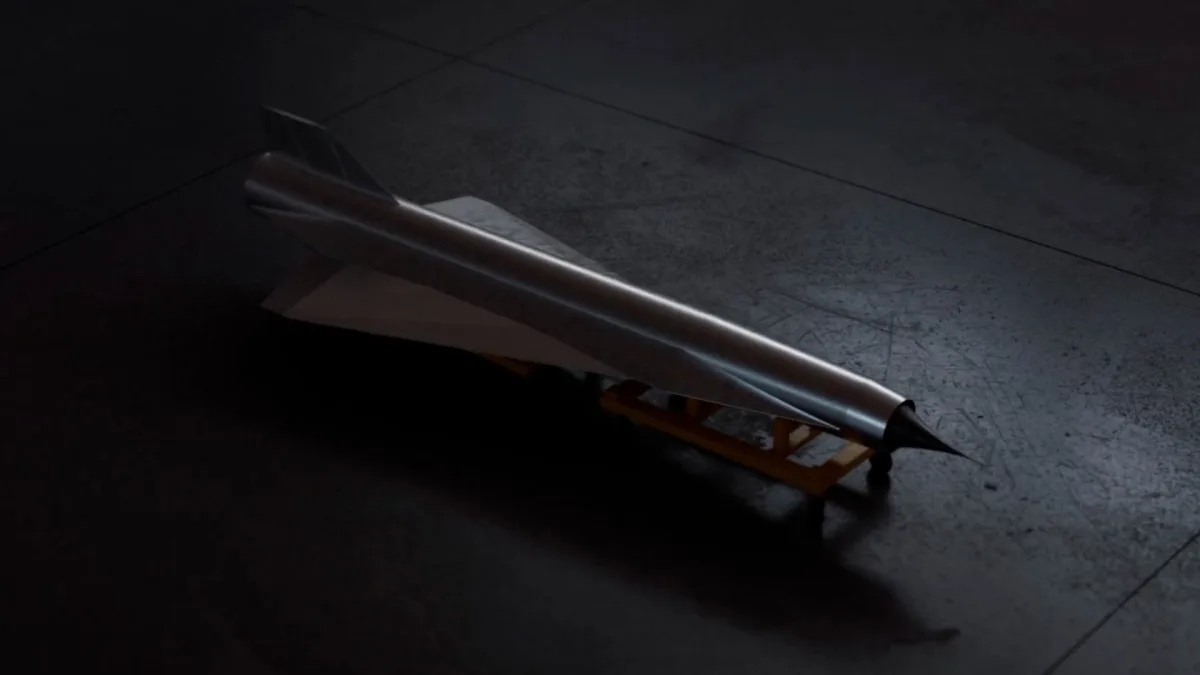
Hermeus Gets FAA Approval for Mach 1+ Drone Test Flights
The FAA authorized Hermeus to conduct six supersonic test flights of its Quarterhorse Mk 2.2 drone at White Sands through August 2027.
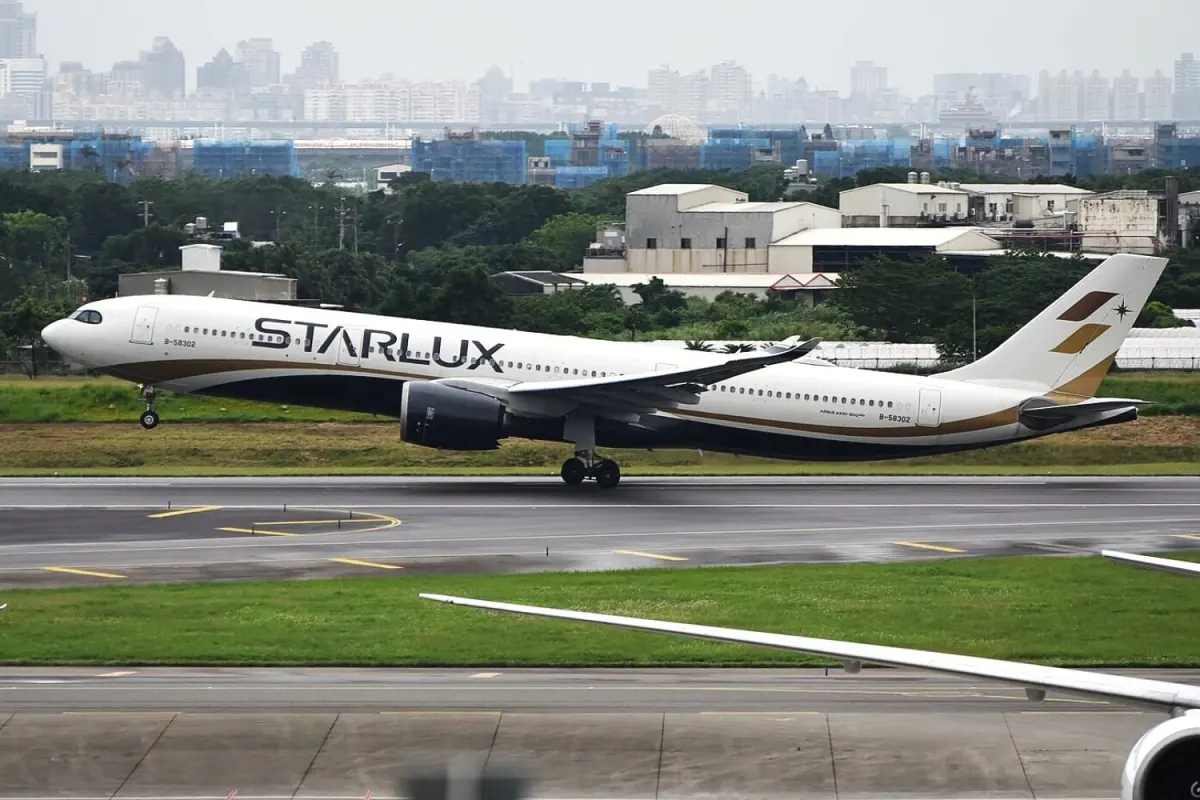
Airbus Deliveries Slow to 57, Putting 870 Target at Risk
Airbus delivered 57 aircraft in August 2026, requiring a surge to 99 monthly deliveries to meet its full-year target of 870.
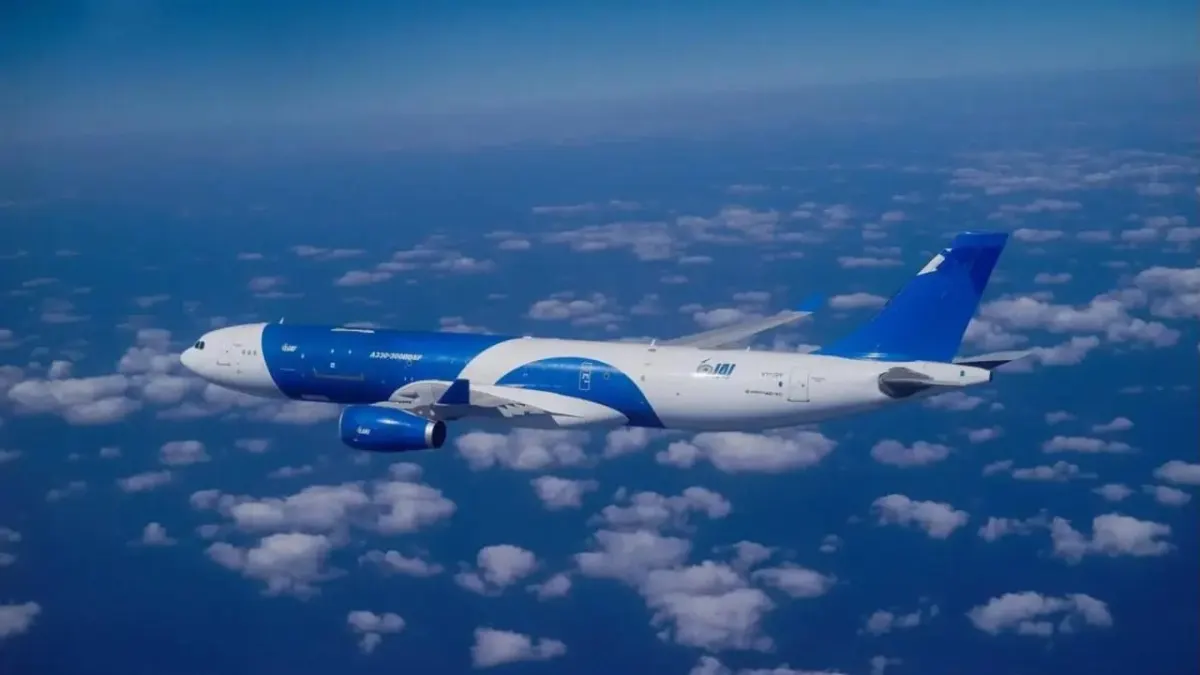
IAI Completes First Flight of A330-300BDSF Cargo Conversion
Israel Aerospace Industries successfully completed the first flight of its A330-300BDSF, an Airbus widebody converted for cargo operations.
Embraer Delivers 2,000th E-Jet to Azul Linhas Aéreas
Embraer reached a major milestone with the delivery of its 2,000th E-Jet, an E195-E2, to Brazilian operator Azul Linhas Aéreas on September 2, 2026.
Cessna Citation CJ4 Achieves 500th Delivery
Textron Aviation delivered its 500th Cessna Citation CJ4 business jet to a customer in the Philippines as the manufacturer nears Gen3 certification.