TSA Expands Biometric Screening to 65 US Airports with 5 Major Airlines

Aviation News Editor & Industry AnalystAviation News Editor & Industry Analyst delivering clear coverage for a worldwide audience.
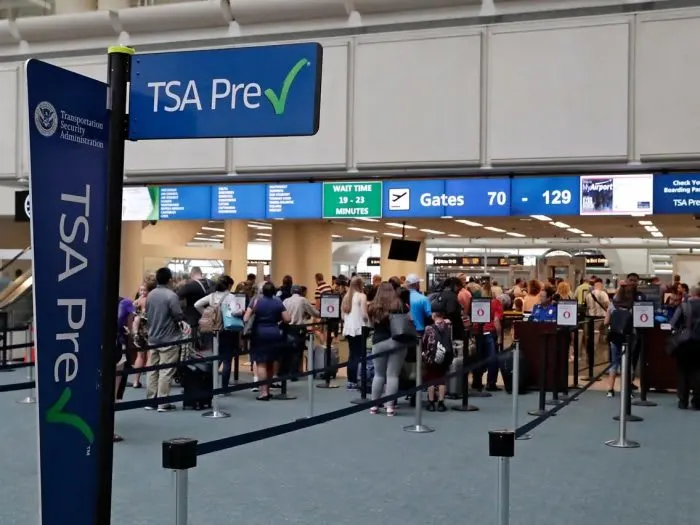
The TSA is expanding its PreCheck Touchless ID program, allowing passengers on 5 major airlines to use facial recognition at 65 airports by Spring 2026.
Key Takeaways
- •Expands facial recognition screening to 65 US airports by Spring 2026.
- •Partners with five major US airlines: Alaska, American, Delta, Southwest, and United.
- •Requires passengers to opt-in and possess a Known Traveler Number (KTN).
- •Deletes passenger photos and personal data within 24 hours to protect privacy.
The Transportation Security Administration (TSA) is expanding its PreCheck Touchless ID program, a biometric security initiative that allows eligible travelers to verify their identity using facial comparison technology instead of presenting a physical ID. The program is set to be available at 65 airports across the United States by Spring 2026, streamlining the screening process for millions of passengers.
This expansion of biometric airport security represents a significant step toward a more seamless travel experience for members of the TSA PreCheck trusted traveler program. Passengers flying with the five participating U.S. carriers—Alaska Airlines, American Airlines, Delta Air Lines, Southwest Airlines, and United Airlines—can opt-in to use the service. The system is designed to reduce wait times and physical touchpoints at security checkpoints, with the facial comparison process taking approximately 10 seconds or less, according to the TSA.
Program Mechanics and Passenger Requirements
To utilize the Touchless ID system, passengers must be enrolled in TSA PreCheck and have a Known Traveler Number (KTN) linked to their airline reservation. Participation is voluntary, and travelers must provide consent through their airline's mobile application or website. The system requires a valid U.S. passport for initial identity verification, which is used to create a secure biometric template.
On the day of travel, opted-in passengers approach the TSA Travel Document Checker podium, where a camera captures their photo. This image is then securely transmitted to be matched against the pre-verified template. The backend matching is handled by Customs and Border Protection's (CBP) Traveler Verification Service. Once a match is confirmed, the TSA officer receives verification on their screen, and the passenger can proceed to security screening without showing a boarding pass or a physical ID.
Despite the convenience, the TSA advises that all passengers, including those using Touchless ID, must still carry a physical, REAL ID-compliant identification with them as a backup. The requirement to carry a valid ID is mandated by the REAL ID Act and remains in effect.
Data Privacy and Regulatory Oversight
The implementation of facial recognition technology has raised questions about passenger privacy. The TSA states that its system is built with robust privacy protections in place. The agency adheres to the Department of Homeland Security's Fair Information Practice Principles (FIPPs), which govern the collection, use, and deletion of Personally Identifiable Information (PII).
According to the TSA, all photos and associated PII used for identity verification at the checkpoint are deleted within 24 hours of the passenger's scheduled flight departure. The agency does not retain the biometric data for future use in this program, ensuring that each verification is a temporary, transaction-based process. This approach is intended to balance security efficiency with the protection of individual privacy.
The agency has emphasized the positive reception from travelers. "Passengers seem to absolutely appreciate it — the speed, the efficiency," said R. Carter Langston, a TSA spokesperson. "All they show is their face, and the officer just waves them right into the checkpoint. No hassling with passports or IDs or phones."
Industry Context and Future Outlook
The expansion of Touchless ID reflects a broader industry trend toward the adoption of biometric technology to improve airport processing times and enhance security. The integration of airline loyalty profiles with government trusted traveler programs is a key enabler of this shift, allowing for a more personalized and streamlined passenger journey. The program's growth from a pilot in 2021 to a planned 65-airport network by 2026 demonstrates a strong commitment to this technological path.
As the program continues its rollout, more airports and potentially more airlines are expected to join. Travelers can find information on participating airports and airlines on the official TSA PreCheck website. The success of this initiative will likely influence the future of airport security protocols, paving the way for further integration of biometric solutions from check-in to boarding.
Why This Matters
This expansion marks a critical development in the modernization of U.S. airport infrastructure, shifting security procedures from manual document checks to automated biometric verification. For the aviation industry, it signals a commitment to leveraging technology to manage rising passenger volumes more efficiently. For travelers, it offers a tangible improvement in convenience, reducing a common point of friction in the air travel experience while maintaining stringent security standards.
For in-depth airline coverage and commercial aviation news, omniflights.com delivers timely industry insights. Stay informed on aviation incidents, investigations, and best practices in the Safety category at omniflights.com/safety.
Written by Ujjwal Sukhwani
Aviation News Editor & Industry Analyst delivering clear coverage for a worldwide audience. Covers flight operations, safety regulations, and market trends with expert analysis.
Visit ProfileYou Might Also Like
Discover more aviation news based on similar topics
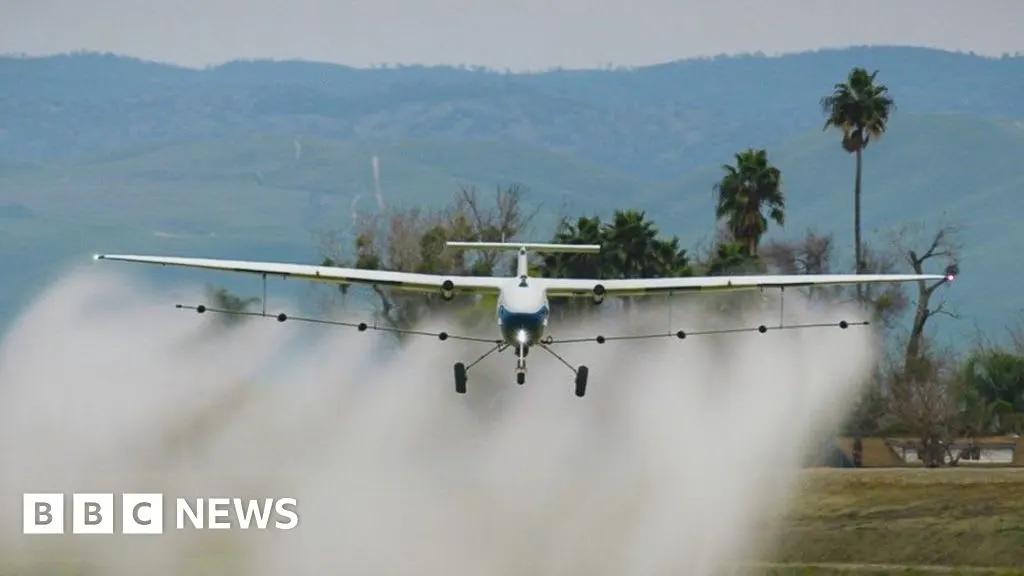
Autonomous Fixed-Wing Aircraft Development Gains Momentum
Start-ups are advancing autonomous fixed-wing aircraft for agricultural and cargo tasks, aiming to prove safety before pursuing passenger operations.
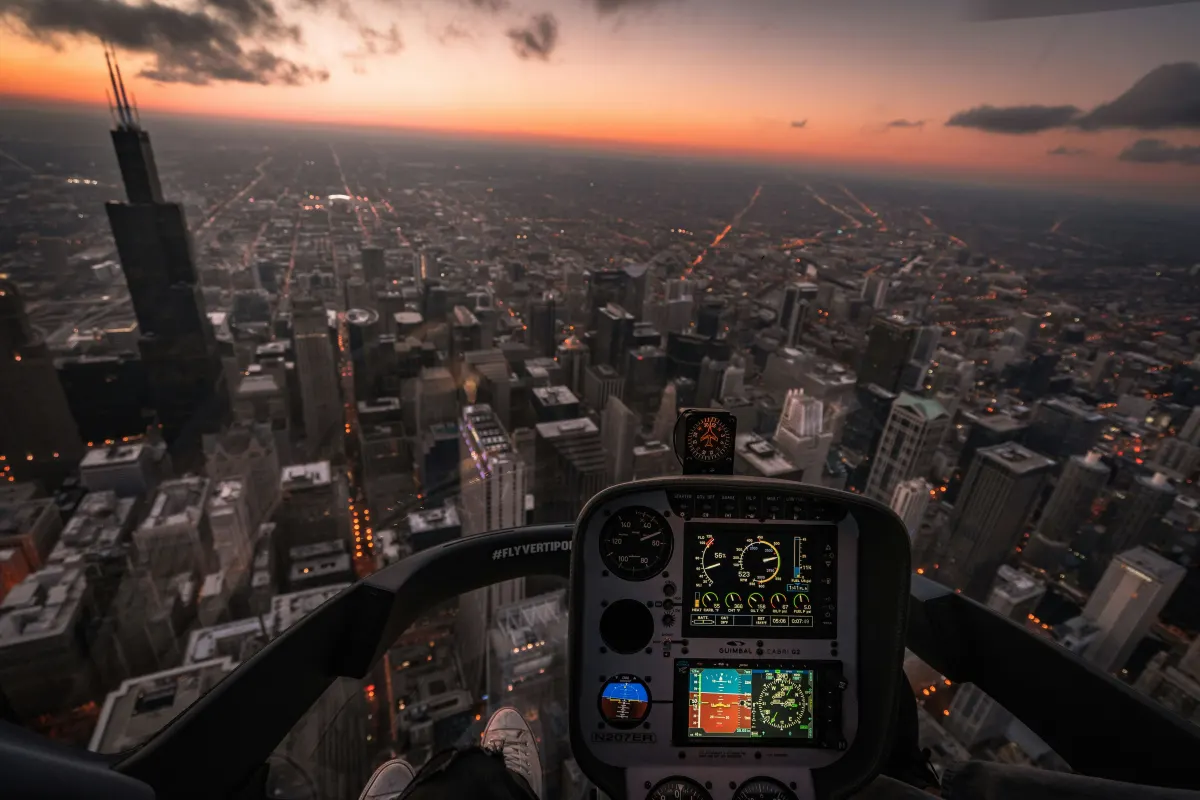
Boeing 787-9 Completes Short Inlet Tests in Montana
Boeing completed 52 hours of flight tests on a 787-9 with an experimental 30% shorter engine inlet to evaluate noise and fuel efficiency.
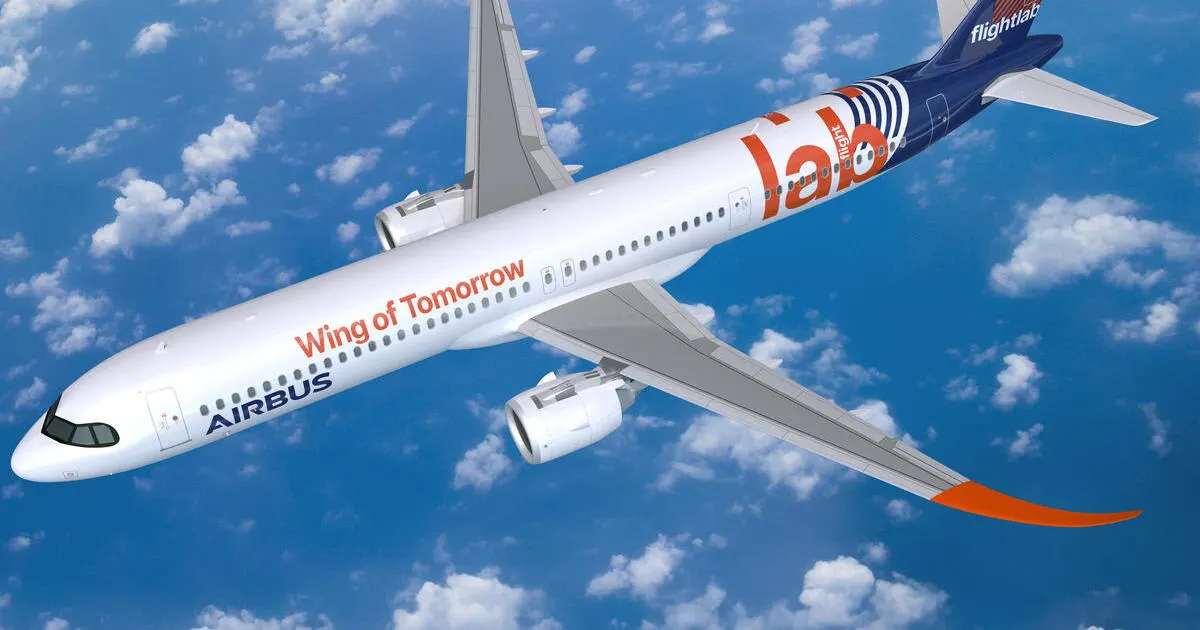
Airbus A321neo to Test Folding Wings of Tomorrow Project
Airbus launched a three-year flight-test campaign using an A321neo to evaluate folding wings that extend up to five meters.
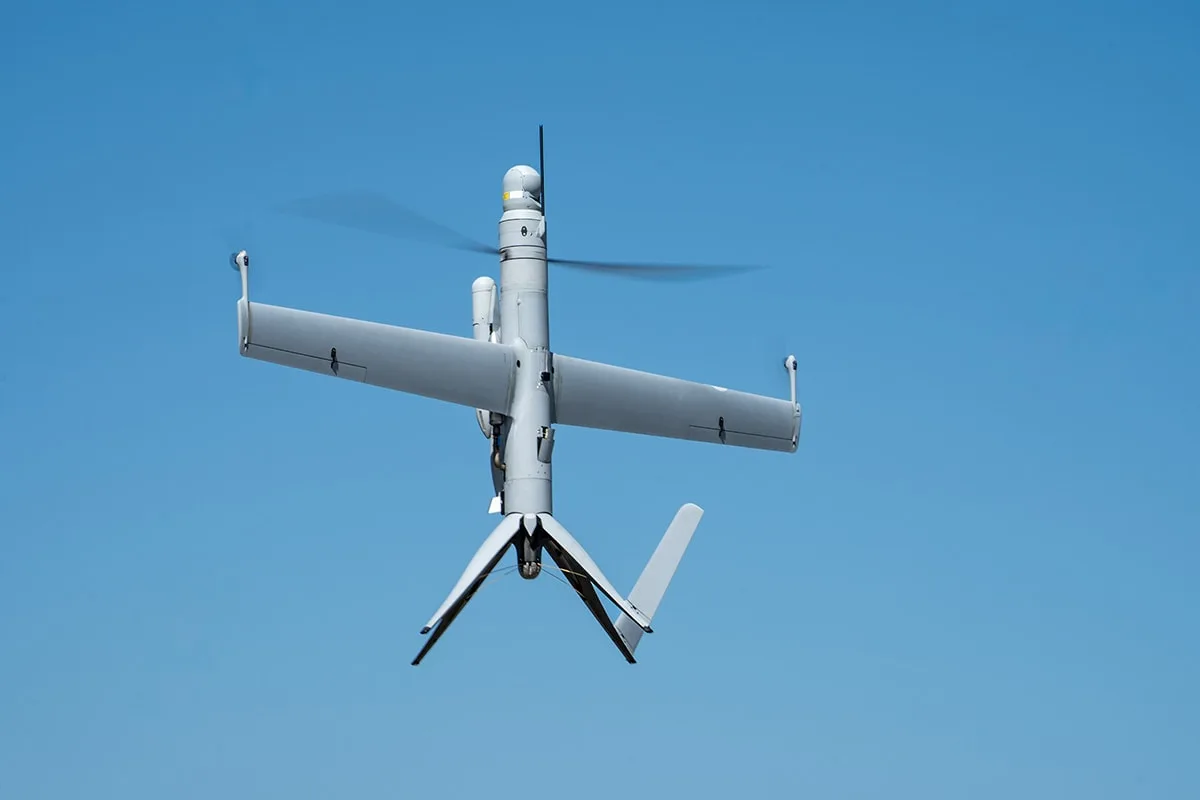
Voyageur Orders Canada's First Airbus U030 Flexrotor
Voyageur Aviation ordered Canada's first Airbus U030 Flexrotor, a 25 kg tactical drone, to expand its maritime and Arctic surveillance capabilities.
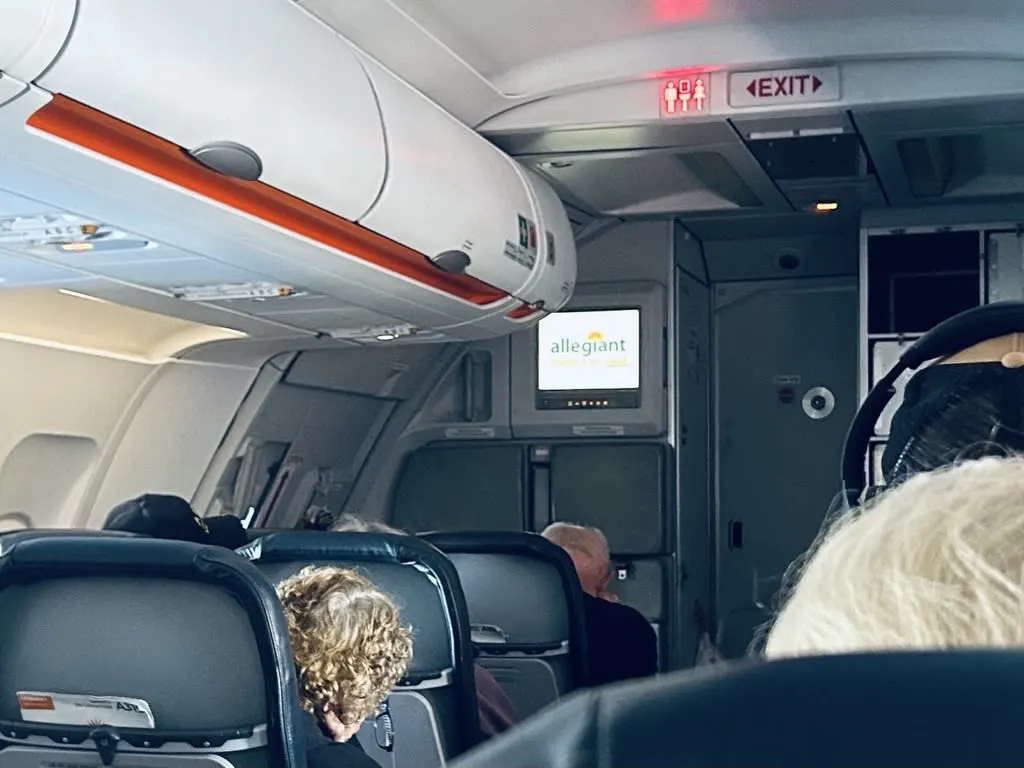
LATAM Selects SES Multi-Orbit Wi-Fi for 60+ New Jets
LATAM Airlines signed a multi-year deal with SES to equip more than 60 incoming Airbus and Embraer aircraft with multi-orbit satellite Wi-Fi.
Lufthansa 787-9 Tests Tech to Cut Fuel and Noise
Boeing, Lufthansa, and Rolls-Royce partnered to test emissions-reducing technologies on a 787-9, targeting a 20% fuel efficiency improvement.