Three Air India A320s Damaged in Delhi Airport Storm

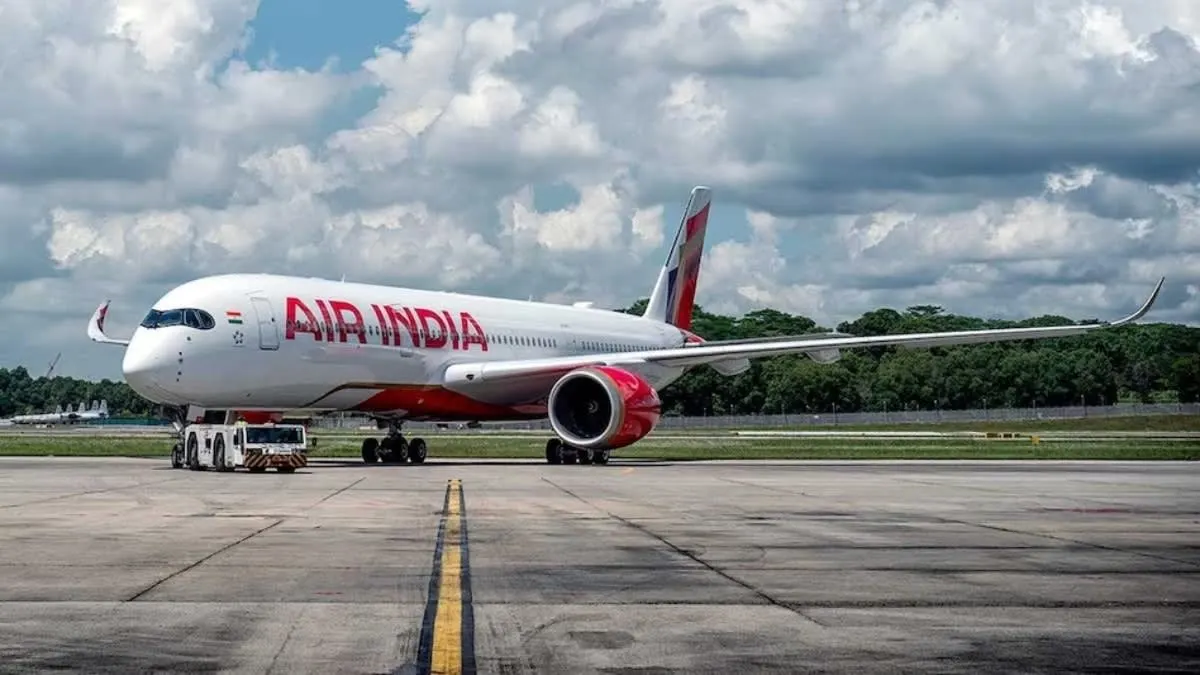
Three Air India A320s were grounded at Delhi's Indira Gandhi International Airport after high winds caused ground equipment to strike the aircraft.
Key Takeaways
- •Three Air India A320s grounded at Delhi airport after storm damage.
- •Unsecured ground equipment struck aircraft during high winds on June 7, 2026.
- •DGCA is investigating the incident and potential safety protocol failures.
- •One A320 requires extensive repairs, impacting Air India's flight schedule.
Incident Overview at Indira Gandhi International Airport
Three Air India narrowbody Airbus A320 aircraft sustained significant damage on Sunday, June 7, 2026, after being struck by unsecured ground support equipment at Indira Gandhi International Airport (IGIA) in Delhi. The incident, which occurred at approximately 4:40 PM local time, was triggered by a sudden, high-velocity storm that swept across Terminal 2, turning heavy equipment like boarding stairwells and trestles into projectiles.
According to Delhi International Airport Limited (DIAL), the structural impact resulted in the immediate grounding of all three aircraft. While two of the planes sustained minor surface damage, one unit suffered substantial structural harm to its boarding stairwell area, necessitating extensive repairs before it can return to commercial service. The Directorate General of Civil Aviation (DGCA) is currently investigating the event to determine if standard apron safety protocols were followed.
Operational Impact and Liability Disputes
The grounding of these three narrowbody aircraft has caused immediate cascading schedule disruptions for Air India, affecting domestic passenger routes originally assigned to the fleet. The financial impact includes both unbudgeted repair costs and the operational loss of capacity.
Operational responsibility remains a point of contention. DIAL has argued that a lack of advance weather warnings from Air Traffic Control (ATC) prevented ground crews from securing equipment in time. Conversely, IndiGo has publicly disputed reports regarding its liability, asserting that its ground handling staff successfully secured their own equipment before it could make contact with any parked aircraft.
Regulatory Context and Safety Protocols
The DGCA oversees compliance with the Civil Aviation Requirements for ground handling, which mandate strict mooring procedures for all equipment on the apron. The regulator’s Adverse Weather Operations Circular outlines the coordination required between ATC, airport operators, and airlines to ensure that weather alerts reach ground crews in time to secure the tarmac.
This incident highlights a growing industry trend regarding the increased frequency of severe microbursts and sudden squalls impacting airport operations. Data from the DGCA indicates that adverse weather circulars have been updated twice in recent years—in 2023 and 2025—to address these unpredictable conditions. Airlines and regulators are now facing heightened pressure to audit third-party ground handling service providers regarding their mooring practices.
Historical Precedents in Tarmac Safety
This event mirrors previous incidents where extreme weather overwhelmed ground operations. In May 2014, a severe storm at the same airport blew a ladder into an Air India A330 and damaged four other aircraft. Furthermore, in November 2016, a storm in Brisbane resulted in portable airstairs piercing the engine cowling of a Qantas 737. Such events demonstrate a recurring vulnerability in airport infrastructure when faced with sudden wind events.
What Comes Next for the Damaged Fleet
The DGCA is expected to release a formal incident investigation report in Q3 2026. In the interim, Air India engineering teams are working to restore the fleet. The two lightly damaged A320s are expected to return to service by late June 2026, while the aircraft requiring extensive structural repairs is projected to remain out of service into July 2026.
Why This Matters for Apron Safety
This incident serves as a critical test for the efficacy of current apron safety protocols during extreme weather events. The dispute between airport operators and airlines regarding the timing of weather alerts underscores a systemic communication gap that regulators must address to prevent future ground equipment collisions. For passengers, the event highlights the fragility of tight schedule turnarounds when ground infrastructure is not adequately hardened against the increasing volatility of extreme weather.
Frequently Asked Questions
- What caused the damage to the Air India aircraft at Delhi airport?
- The damage was caused by a sudden storm on June 7, 2026, which produced high-velocity winds that propelled unsecured ground support equipment, such as boarding stairwells, into three parked Air India A320 aircraft.
- When are the damaged Air India A320s expected to return to service?
- The two aircraft with minor damage are expected to return to service by late June 2026, while the aircraft requiring extensive structural repairs is expected to remain out of service into July 2026.
Stay ahead of the airline industry with commercial aviation news from omniflights.com. Get the latest updates on major hubs, regional terminals, and airport operations via the Airports section at omniflights.com/airports.

Written by Hardik Vishwakarma
Co-Founder & Aviation News Editor leading initiatives that improve trust and visibility across the global aviation industry. Covers airlines, airports, safety, and emerging technology.
Visit ProfileYou Might Also Like
Israel Bans United Airlines Pilot Over Pro-Iran Posts

Attack on Saudi King Fahd International Airport
LATAM Airlines A320 Engine Fire During Takeoff in Peru
Riyadh Airport Limits Traffic Following Houthi Attacks
FAA Mandates Fuel Valve Inspections for A330 and A340