Thai Airways A320 Business Class: Reviewing the Retrofit

Co-Founder & CEOAviation News Editor delivering trusted coverage across the global aviation industry.
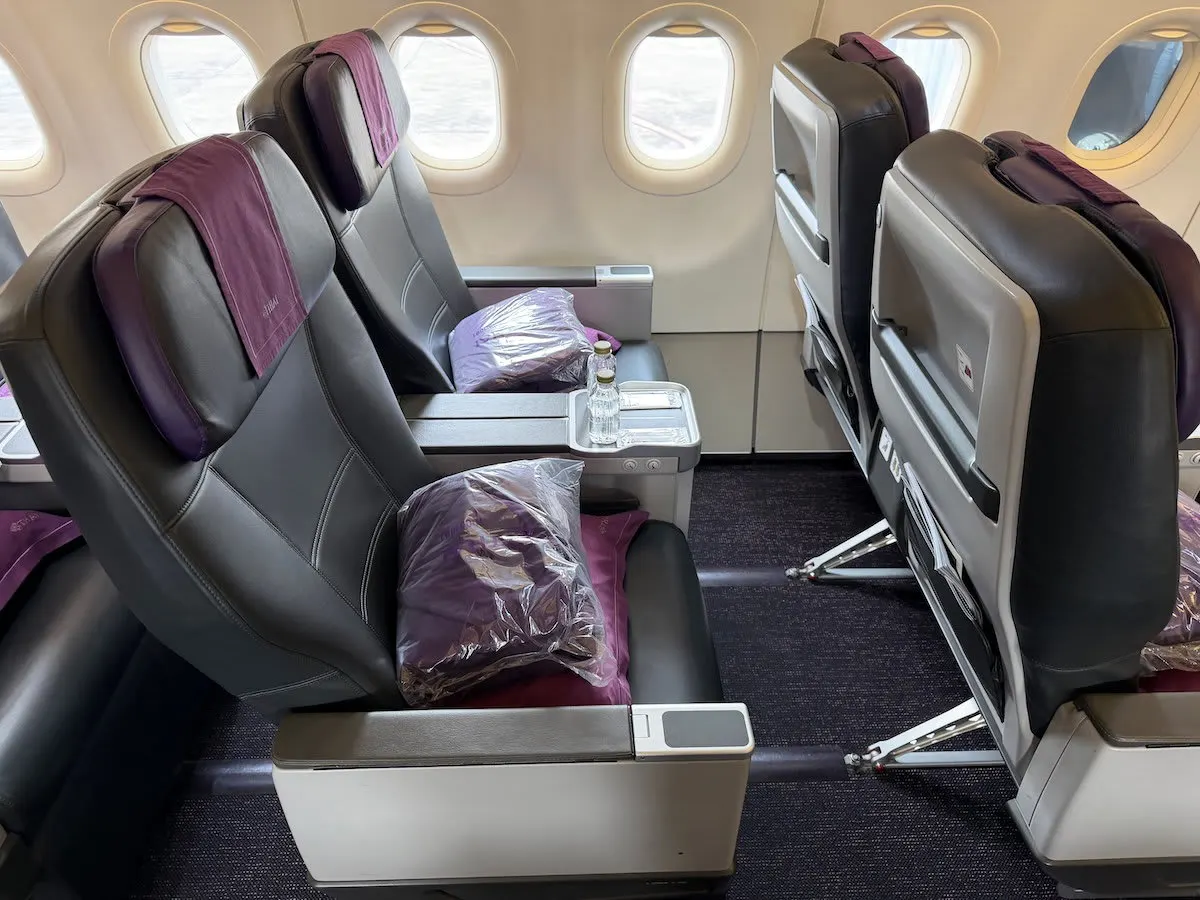
Thai Airways has upgraded its A320 fleet with dedicated business class recliners following the integration of 20 aircraft from Thai Smile.
Key Takeaways
- •Thai Airways integrated 20 A320s from Thai Smile by January 2024.
- •New A320 business class features 12 recliner seats with 38-inch pitch.
- •Retrofits move away from Euro-business to a dedicated 2-2 cabin layout.
- •Fleet standardization allows flexible aircraft swaps on regional routes.
Thai Airways A320 Fleet Integration
Flying the Thai Airways A320 business class on the 70-minute route from Mae Fah Luang - Chiang Rai International Airport (CEI) to Suvarnabhumi Airport (BKK) highlights the airline's recent strategic shift in regional operations. Following the full absorption of its former subsidiary, Thai Smile, by January 2024, the carrier has moved to standardize its narrowbody product. This integration, formalized by the surrender of the Thai Smile Air Operator Certificate to the Civil Aviation Authority of Thailand (CAAT), allows for a more consistent passenger experience across the network. The Thai Airways fleet now operates these aircraft under the mainline brand, marking a significant transition in how the airline serves domestic and regional destinations.
Cabin Retrofit and Product Upgrades
Historically, many regional carriers in Asia utilized a "Euro-business" model, which simply blocked the middle seat of a standard economy configuration. To remain competitive and elevate the Royal Silk Class A320 experience, Thai Airways entered a major cabin reconfiguration agreement with Airbus. According to an Airbus press release, this contract marks the first-ever single-aisle cabin retrofit for an airline in the Asia-Pacific region. The new configuration replaces the former 3-3 layout with 12 dedicated business class seats in a 2-2 arrangement, significantly enhancing comfort for premium passengers.
Technical Comparison: Retrofit vs. Legacy Layout
| Metric | New Retrofit | Former Thai Smile Layout |
|---|---|---|
| Seat Layout | 2-2 dedicated recliners | 3-3 with blocked middle seat |
| Total Business Seats | 12 | Variable (up to 16) |
| Seat Pitch | 38 inches | 31-32 inches |
| Seat Recline | 5 inches | Standard economy recline |
Operational Impact and Market Positioning
For Thai Airways operations, the transition to a standardized 156-seat two-class narrowbody fleet provides greater flexibility. The airline can now swap these aircraft on high-value routes previously requiring widebody service, optimizing capacity and fuel efficiency. CEO Chai Eamsiri noted that the acquisition of these 20 aircraft improved route connectivity, while the cabin upgrades align the narrowbody product with the airline's premium brand identity. However, some aviation consumer advocates have argued that while these 2-2 recliners represent a clear improvement over previous offerings, they still fall short of the lie-flat narrowbody products currently deployed by regional competitors like Singapore Airlines.
The Path to Fleet Standardization
This move mirrors broader industry trends where legacy carriers, such as Cathay Pacific and Singapore Airlines, have folded regional brands into mainline operations to streamline costs. The retrofit project is expected to reach completion by late 2025. As the airline continues to roll out these refreshed cabins, the consistency of the Thai Airways domestic business class product is expected to improve significantly across the network. This standardization is a critical component of the carrier's efforts to maintain its market position against low-cost carriers in the highly competitive Southeast Asian aviation market.
Why This Matters for Premium Travelers
For passengers, the shift from a blocked-middle seat to a dedicated recliner with 38 inches of pitch provides a tangible increase in personal space and comfort on short-haul flights. The investment also signals that Thai Airways is prioritizing its premium cabin product as a key differentiator in regional travel. By securing the first-ever Asia-Pacific narrowbody retrofit contract, Airbus has also demonstrated the growing importance of cabin flexibility in the regional narrowbody market, ensuring that airlines can adapt their fleets to changing passenger expectations without needing to purchase entirely new airframes.
Frequently Asked Questions
- What is the seat configuration for the retrofitted Thai Airways A320 business class?
- The retrofitted A320s feature 12 dedicated business class seats in a 2-2 layout, offering 38 inches of pitch and 5 inches of recline.
- Why did Thai Airways integrate the Thai Smile fleet into its mainline operations?
- Thai Airways integrated the 20 A320 aircraft from Thai Smile to standardize its fleet, improve operational efficiency, and provide a consistent premium passenger experience across its regional network.
Stay ahead of the airline industry with commercial aviation news from omniflights.com. Discover how innovation is shaping aviation through aircraft systems, avionics, and digital tools at omniflights.com/technology.
Written by Hardik Vishwakarma
Co-Founder & Aviation News Editor leading initiatives that improve trust and visibility across the global aviation industry. Covers airlines, airports, safety, and emerging technology.
Visit ProfileYou Might Also Like
Discover more aviation news based on similar topics
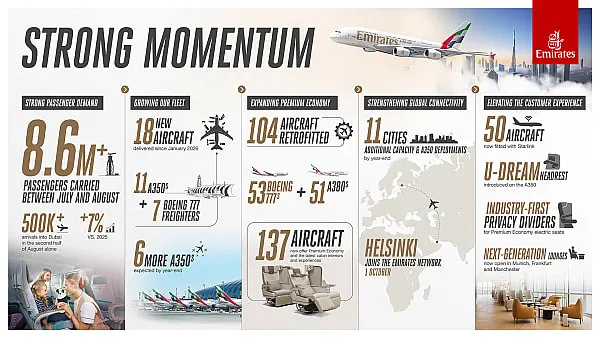
Emirates Winter Booking Momentum Grows Amid Fleet Expansion
Emirates carried 8.6 million passengers this summer and enters winter with strong demand as it accelerates fleet retrofits and network growth.
Air Arabia Consortium Gains AOC for New Dammam Budget Airline
A Saudi GACA-led consortium including Air Arabia has secured an AOC to launch a new budget airline based at Dammam's King Fahd International Airport.
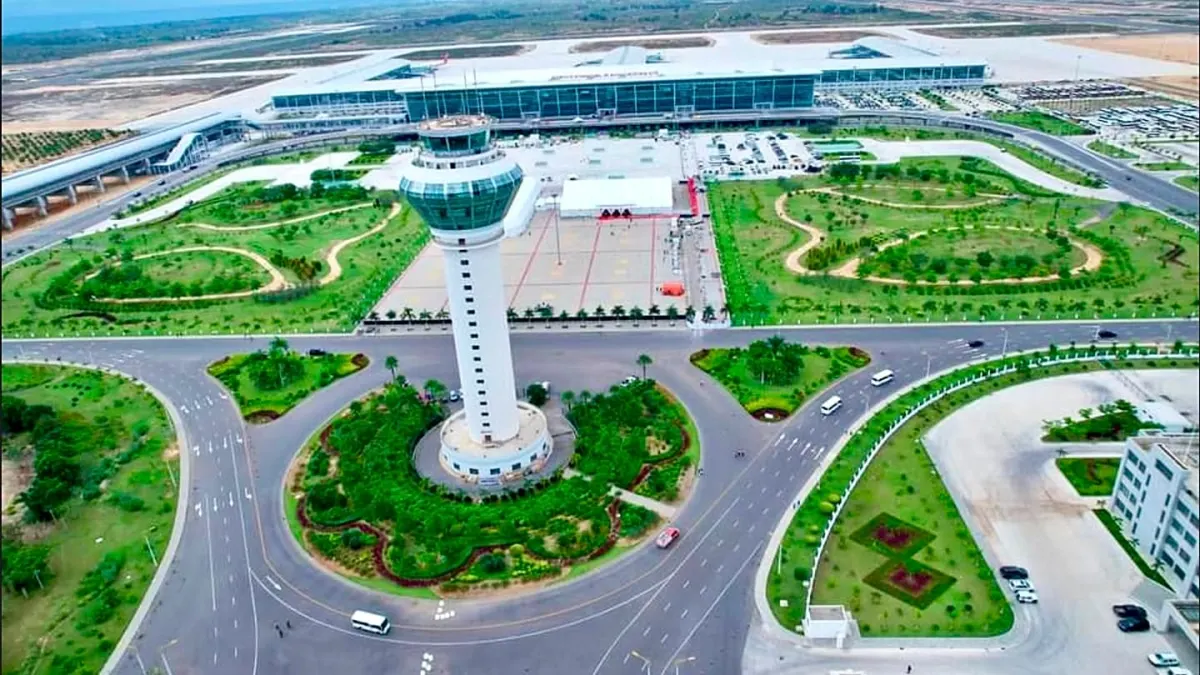
Turkish Airlines Exits Luanda as Angola Hub Struggles
Turkish Airlines dropped its Luanda route as Angola's new airport struggles to attract traffic, handling only 756,028 passengers in 2025.

Red Sea Airlines Leases Two 737 MAX 8s for 2027 Expansion
Red Sea Airlines signed a lease for two Boeing 737 MAX 8 aircraft from SMBC Aviation Capital, arriving in 2027 to support its 14-aircraft fleet goal.
Avelo CEO Warns Airfares May Rise on Jet Fuel Price Spikes
Avelo Airlines CEO Andrew Levy warns that rising fuel costs may force fare increases as global jet fuel prices reach $171.01 per barrel.
IndiGo, Air India Battle for Mumbai-Delhi Route Dominance
IndiGo and the Air India group are competing for dominance on the Mumbai-Delhi air route, which saw 13.9 percent capacity growth this September.