Study: Aging Passengers Challenge FAA 90-Second Evacuation Standard

Co-Founder & CEOAviation News Editor delivering trusted coverage across the global aviation industry.
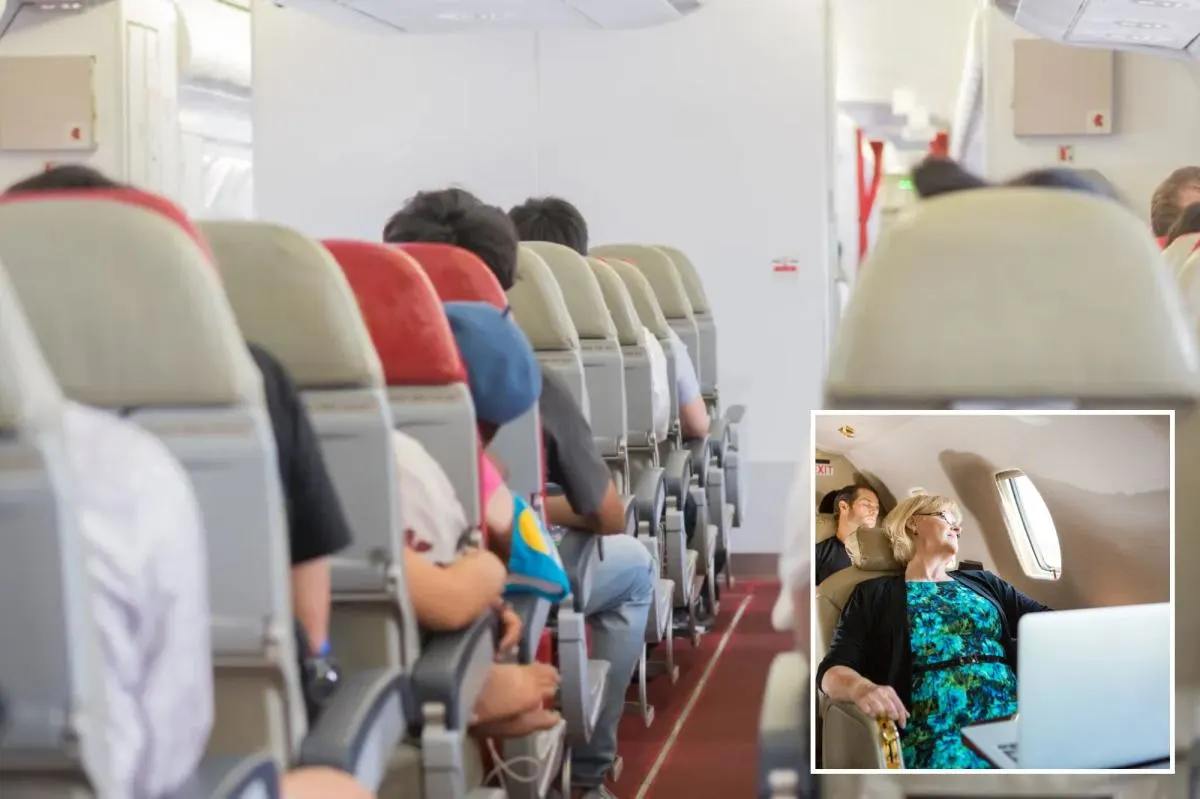
A new study reveals aging passenger demographics threaten the FAA's 90-second evacuation rule, with simulations showing evacuations taking up to 141...
Key Takeaways
- •Exceeds FAA's 90-second evacuation mandate by at least 51 seconds in simulations.
- •Finds an aging passenger demographic significantly increases aircraft evacuation times.
- •Recommends strategic cabin seating algorithms to distribute passengers evenly.
- •Challenges the realism of current certification standards for modern passenger loads.
A new study leveraging advanced modeling software suggests that an aging passenger demographic presents a significant challenge to the long-standing 90-second emergency evacuation standard mandated by aviation regulators. Research published in AIP Advances found that even in optimized scenarios, a simulated Airbus A320 evacuation with a modest number of elderly passengers took 141 seconds—more than 50% longer than the regulatory limit.
The findings raise critical questions about the current applicability of aircraft certification standards in the face of global demographic shifts. As the population of air travelers ages, the study indicates that existing evacuation protocols may not be sufficient to ensure passenger safety in a real-world emergency, placing pressure on airlines and regulators to re-evaluate cabin management and safety procedures.
Study Methodology and Key Findings
Researchers led by Dr. Chenyang Zhang of the University of Calgary used Pathfinder evacuation modeling software to simulate 27 different evacuation scenarios for an Airbus A320 experiencing a dual-engine fire. The study, titled "Effect of elderly passenger distribution on A320 aircraft evacuation under dual-engine fire scenarios," specifically analyzed how the number and distribution of elderly passengers, who may have reduced mobility and slower reaction times, affect overall evacuation times.
The results demonstrated a direct correlation between the concentration of elderly passengers and increased evacuation times. The fastest simulation, which included 30 elderly passengers distributed evenly throughout the cabin, still required 141 seconds to complete. In a worst-case scenario featuring a cabin with 80% elderly passengers and closely spaced seating, the simulated evacuation time ballooned to 218.5 seconds, nearly two and a half times the mandated limit.
Dr. Zhang noted that while dual-engine fires are statistically rare, they represent critical emergencies that demand rapid response, similar to the successful ditching of US Airways Flight 1549, known as the 'Miracle on the Hudson.' He emphasized that understanding passenger distribution is key to developing proactive safety measures.
Regulatory Context and Industry Impact
The study's conclusions directly challenge the bedrock of emergency certification: the Federal Aviation Administration's (FAA) 14 CFR § 25.803 regulation. This rule, mirrored by the European Union Aviation Safety Agency (EASA), mandates that manufacturers must demonstrate that an aircraft's maximum seating capacity can be fully evacuated to the ground within 90 seconds using only half of the available exits. The simulations suggest this standard is increasingly difficult to meet in practice.
The findings have significant implications for multiple industry stakeholders:
- Cabin Crew: Flight attendants face the most direct impact, as they may require updated emergency training to manage evacuations with a higher proportion of passengers requiring assistance.
- Airlines: Carriers may need to implement strategic cabin seating algorithms to distribute passengers with reduced mobility more evenly, a practice that could conflict with current revenue models based on paid seat selection.
- Regulators: The FAA and EASA could face pressure to review the realism of the 90-second standard and consider demographic factors in future certification requirements.
- Elderly Passengers: Travelers could potentially face new seating policies, similar to existing restrictions for exit rows, to optimize cabin safety.
Historical Precedents and Technical Analysis
The importance of rapid evacuation was recently underscored by the successful evacuation of Japan Airlines Flight 516 in January 2024. All 379 occupants escaped the burning Airbus A350 at Haneda Airport, a testament to modern safety procedures and crew training. However, the new study suggests that such a positive outcome could be jeopardized by demographic factors not fully accounted for in current planning.
Unlike the 'Miracle on the Hudson' in 2009, where the successful evacuation of an A320 was a primary factor in the zero-fatality outcome, the increasing number of passengers with mobility limitations introduces variables that can create unforeseen bottlenecks. The study's data indicates a structural disconnect between the idealized conditions of a certification test and the complex reality of a diverse passenger cabin during a high-stress emergency. This suggests that procedural solutions, such as improved flight attendant training, may be insufficient without parallel adjustments to operational strategies like passenger seating allocation.
What Comes Next
The study's authors recommend that airlines use algorithms to optimize seating arrangements, preventing clusters of elderly passengers near specific exits, which can cause congestion. This data-driven approach could enhance safety without requiring significant changes to aircraft hardware.
From a regulatory perspective, the findings may influence future policy discussions. A potential FAA review of its advisory circular on Emergency Evacuation Demonstrations (AC 25.803-1A) has been rumored for the 2026-2027 timeframe, though the agency has not confirmed a specific schedule. This new research will likely serve as a key data point in any such review.
Why This Matters
This research highlights a critical, slow-moving risk factor in commercial aviation. While aircraft have never been safer from a technical standpoint, the changing human element—the passengers themselves—requires a proactive evolution in safety standards. The study serves as a crucial reminder that safety is a dynamic field, and regulations must adapt to reflect the reality of modern air travel to remain effective.
Access up-to-date commercial aviation news and airline industry developments via omniflights.com. Discover how innovation is shaping aviation through aircraft systems, avionics, and digital tools at omniflights.com/technology.

Written by Hardik Vishwakarma
Co-Founder & Aviation News Editor leading initiatives that improve trust and visibility across the global aviation industry. Covers airlines, airports, safety, and emerging technology.
Visit ProfileYou Might Also Like
Discover more aviation news based on similar topics

Flydubai FZ1073 Cockpit Attack: Inside the Terror Attempt
Flydubai flight FZ1073 diverted to Tabuk after co-pilot Hamam al-Hammami attacked Captain Smit Machchhar in a confirmed terrorist act.
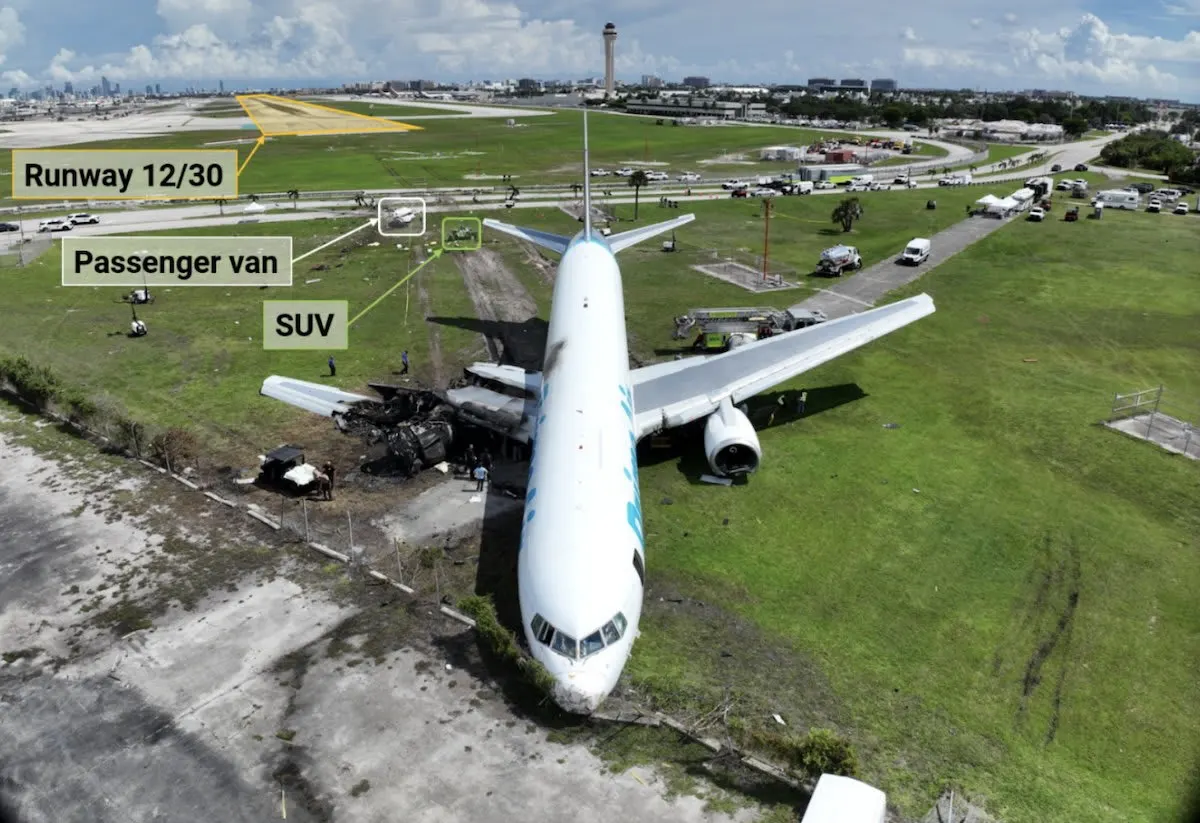
21 Air 767 Crash: NTSB Report Details Fatal MIA Overrun
The NTSB preliminary report on the 21 Air 767 crash at Miami International Airport confirms five ground fatalities following a late, high-speed landing.
Flydubai FZ1073 Hijacker Flagged as Security Risk by Oman
A Flydubai co-pilot accused of attempting to crash flight FZ1073 had been previously barred from flying in Oman due to extremist concerns.
FAA Clears Boeing 737 MAX Software Issue, Resumes MAX 10
The FAA cleared a Boeing 737 MAX software issue after a safety review, allowing the 737 MAX 10 certification process to resume immediately.
Flydubai Flight 1073 Hijacking Attempt Over Jordan
A Flydubai Flight 1073 co-pilot attacked the captain mid-flight on September 30, 2026, forcing passengers to intervene and stabilize the aircraft.

Families Demand DCA Midair Collision Safety Reforms
Families of 67 victims from the 2025 DCA midair collision are pressing Congress for mandatory ADS-B In technology to prevent future aviation tragedies.