STL Airport's $3B+ Terminal Consolidation Awaits Final Airline Approval

Co-Founder & CEOAviation News Editor delivering trusted coverage across the global aviation industry.
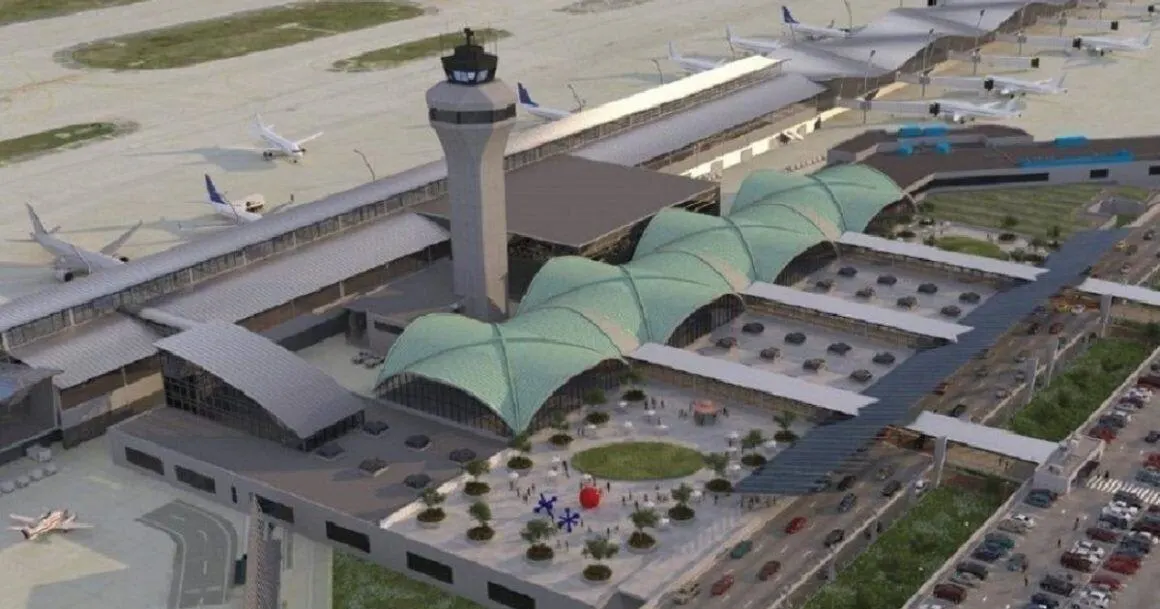
St. Louis Lambert Airport's terminal consolidation cost has surpassed $3 billion, with the project now awaiting final approval from its partner airlines.
Key Takeaways
- •Exceeds $3 billion in projected costs for terminal overhaul, up from an initial $2.8 billion.
- •Increases gate count from 54 to 62 by consolidating two terminals into a single facility.
- •Requires final approval from airlines via a new Airline Use Agreement to proceed.
- •Follows airport modernization trends seen at Kansas City (MCI) and Pittsburgh (PIT).
The estimated cost for a comprehensive overhaul of St. Louis Lambert International Airport (STL) has officially surpassed $3 billion, an increase from the initial $2.8 billion projection. The ambitious plan, known as the Consolidated Terminal Program (CTP), aims to merge the airport's two aging terminals into a single, modern facility. While the project has cleared significant regulatory hurdles, final authorization to proceed hinges on a new agreement with the airlines that serve STL.
The core of the CTP involves replacing the current multi-terminal layout with a single, larger terminal designed by WSP Global Inc. (WSP). This consolidation will increase the airport's total gate count from 54 to 62 gates. According to the STL Master Plan, the new facility is designed with future growth in mind, capable of accommodating up to 40 million annual passengers and 500,000 aircraft operations. This capacity is intended to serve projected traffic growth, which is forecast to reach 21 million annual passengers by 2040.
Project Status and Funding
According to Airport Director Rhonda Hamm-Niebruegge, the cost increase to over $3 billion reflects inflationary pressures and updated design costs. The project achieved a major milestone in late 2024 when the Federal Aviation Administration (FAA) approved its National Environmental Policy Act (NEPA) Environmental Assessment, clearing the way for construction. The FAA had previously approved the airport's 2023 Master Plan, which formally outlines the CTP as the airport's long-term development strategy.
While regulatory approvals are in place, the financial structure requires assent from the airport's airline partners. The airlines, which will ultimately fund the project through increased landing fees and terminal rents, have already approved $1 billion in preliminary design and construction funding, according to the St. Louis Airport Commission. However, the full multi-billion dollar commitment requires a new Airline Use Agreement (AUA), which is currently under negotiation. The project cannot move into its main construction phase without an affirmative vote from the airlines on this agreement.
Industry Context and Precedents
The modernization effort at STL is part of a broader trend among mid-sized U.S. airports. Many are replacing inefficient, mid-20th-century terminals with consolidated facilities to improve passenger experience and lower operating costs. This pattern is evident in similar recent projects.
In February 2023, Kansas City International Airport (MCI) completed a $1.5 billion project to replace its three outdated terminals with a single 39-gate facility. The MCI project is a highly analogous case in the same state, demonstrating the operational benefits of consolidation. Similarly, Pittsburgh International Airport (PIT) is in the process of a $1.57 billion terminal modernization program, scheduled for completion in 2025. Like STL, a former TWA hub, PIT is rightsizing its infrastructure after the departure of its US Airways hub to better serve today's origin-and-destination traffic.
The project delivery method also reflects current industry best practices. STL is utilizing a Construction Manager at Risk (CMAR) contract, with an AECOM Hunt-Clayco joint venture selected for the role. This approach is increasingly common for large-scale airport projects as it helps control costs by integrating construction expertise early in the design phase.
What Comes Next
The project's timeline is contingent on securing the final AUA. Approval from the airlines is expected by mid-2026. Following that critical milestone, the airport anticipates receiving terminal and garage construction authority from St. Louis city officials in late 2026.
Construction will be phased to maintain airport operations. The opening of the new West Concourse, representing Phase 1, is targeted for late 2028. Full completion of the consolidated terminal is expected between 2031 and 2032. During this multi-year construction period, passengers may face disruptions, though the phasing is designed to minimize impact.
Why This Matters
STL's Consolidated Terminal Program represents a significant capital investment in U.S. aviation infrastructure. It serves as a key test case for how legacy hub airports can modernize to meet future demand and operational efficiency standards. The project's ultimate success will depend on the delicate balance between the airport's long-term vision and the financial commitment required from its airline partners, a dynamic being closely watched by other mid-sized airports planning similar overhauls.
Visit omniflights.com for the latest commercial aviation news and airline industry updates. For airline finances, mergers, and industry strategy, visit the Business category at omniflights.com/business.
Written by Hardik Vishwakarma
Co-Founder & Aviation News Editor leading initiatives that improve trust and visibility across the global aviation industry. Covers airlines, airports, safety, and emerging technology.
Visit ProfileYou Might Also Like
Discover more aviation news based on similar topics
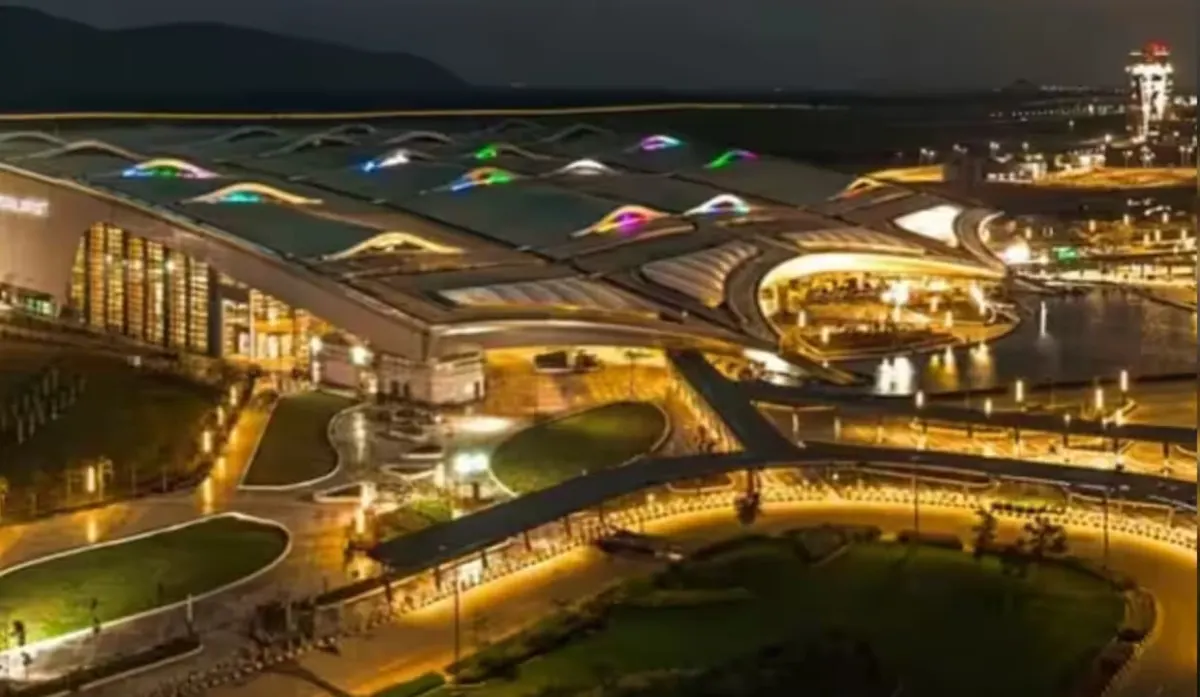
IndiGo Opens Commercial Flights at Bhogapuram
IndiGo launched the first commercial flight to the new Rs 5,700 crore Bhogapuram Airport, shifting civilian traffic from the old civil enclave.

Sydney Airport Master Plan 2045 Approved
The Australian government approved Sydney Airport's Master Plan 2045, enabling terminal integration to handle 72.6 million passengers by 2045.
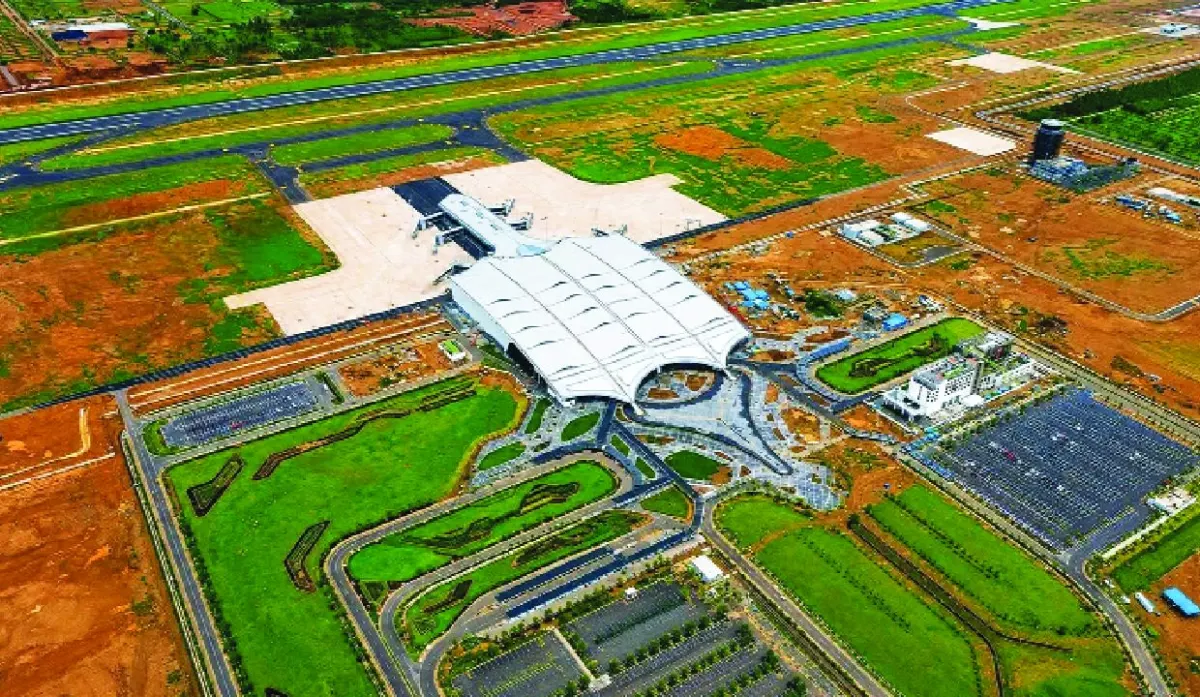
Visakhapatnam Airport Ends Commercial Flights for 30 Years
Visakhapatnam Airport ended scheduled commercial flights ahead of Bhogapuram's opening, triggering a 30-year moratorium on civil operations.
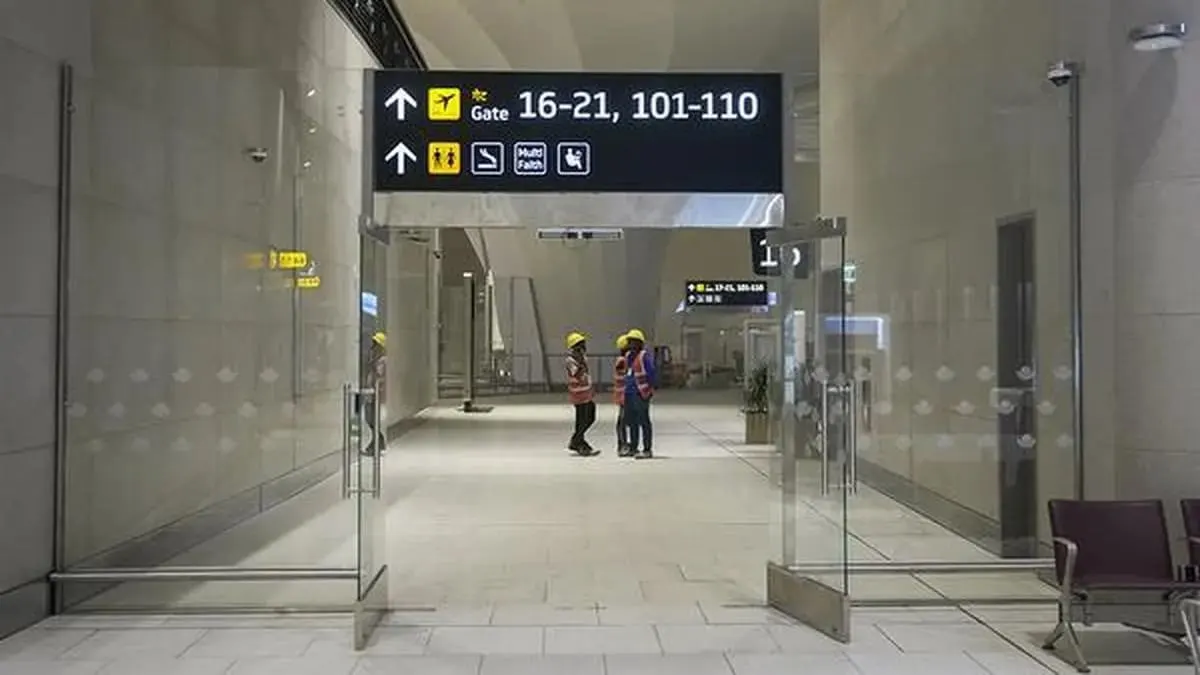
NMIA Approves 13 Airlines for Cargo Operations
NMIA has approved 13 international airlines to launch freighter flights, accelerating Mumbai's transition to a dual-airport cargo system.

Hong Kong Air Cargo Lands First Navi Mumbai Freighter
Hong Kong Air Cargo launched flights to Navi Mumbai, marking the airport's first international freighter service with 6 weekly movements.

ENAC Suspends Catania Flights Amid Mount Etna Eruption
ENAC suspended operations at Catania Airport due to a Mount Etna eruption, resulting in 700 flight cancellations and massive regional diversions.