Melbourne Airport's $4.5bn International Terminal Expansion

Co-Founder & CEOAviation News Editor delivering trusted coverage across the global aviation industry.
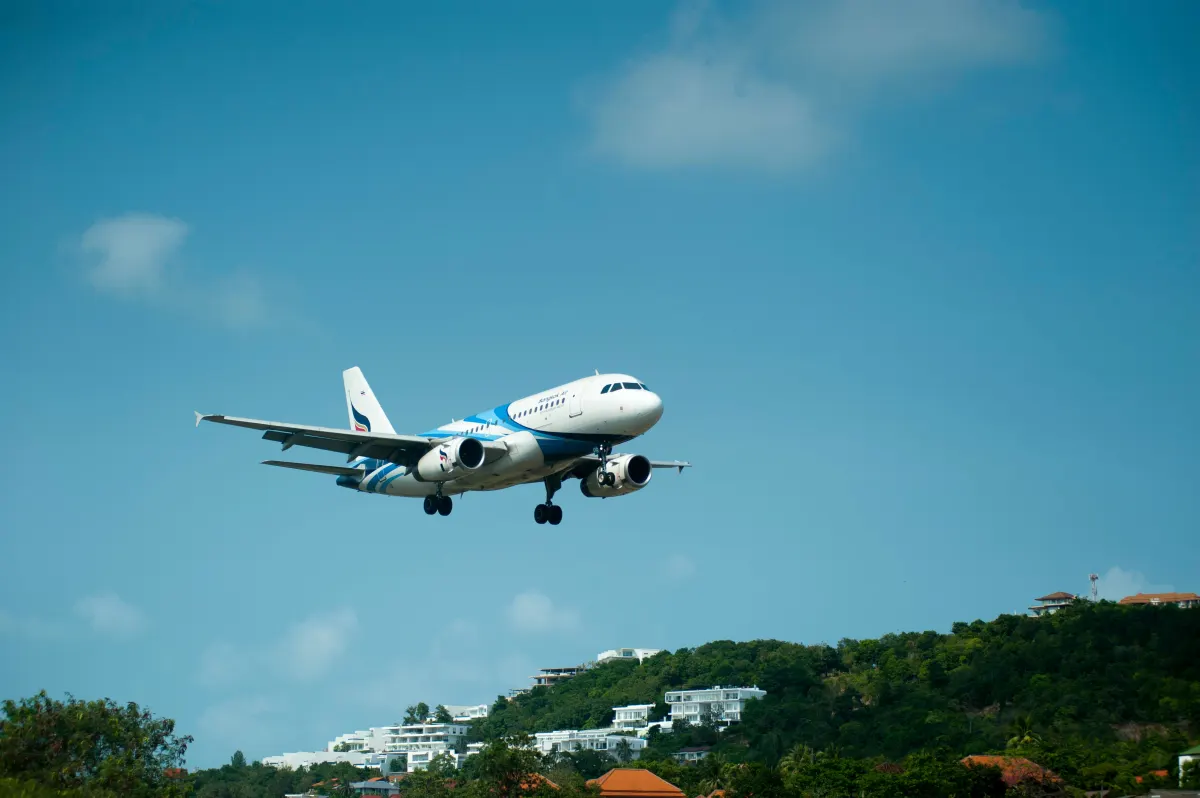
Melbourne Airport will invest $4.5 billion to expand its international terminal, adding new gates and stands to accommodate surging passenger growth.
Key Takeaways
- •Invests $4.5 billion in a major international terminal expansion.
- •Adds 5 new aircraft gates and 5 flexible widebody/narrowbody stands.
- •Responds to record international passenger growth, with 1.26 million in January 2026.
- •Complements the new T123 Transport Hub (2026) and future third runway (2031).
Melbourne Airport (MEL) has announced a $4.5 billion investment for a major international terminal upgrade, a strategic move to accommodate record-breaking passenger demand and future-proof its operations. This Melbourne Airport expansion will significantly increase capacity with new gates and aircraft stands, directly supported by the new T123 Transport Hub and designed to complement the airport's forthcoming third runway. The aviation infrastructure investment aims to solidify Melbourne’s position as a key international gateway for Australia.
The project is a direct response to a surge in international travel that has pushed the airport's facilities to their limits. According to Melbourne Airport, January 2026 saw a new monthly record of 1.26 million international passengers. The airport handled a total of 37 million passengers in 2025, underscoring the urgent need for expanded capacity. The expansion will add five new aircraft gates to the existing international pier and five new aircraft stands. These stands offer flexibility, capable of accommodating either five widebody or eight narrowbody aircraft, catering to the long-haul network expansion driven by new-generation, fuel-efficient aircraft.
Project Scope and Regulatory Framework
The expansion is managed by Australia Pacific Airports Corporation (APAC), the operator of Melbourne Airport. The development includes a significant enlargement of the check-in hall, baggage reclaim areas, and border processing facilities. These enhancements are designed to improve passenger flow, reduce congestion, and enhance the overall travel experience.
The project is enabled by a series of preceding regulatory approvals. The construction of the T123 Transport Hub was facilitated by the Naarm Way Stage 2 approval from the Federal Minister for Infrastructure, Transport, Regional Development and Local Government in 2021. This hub, set to open in September 2026, reconfigures ground transport and frees up the physical space required for the terminal to expand. Furthermore, the terminal project aligns with the airport's broader growth strategy, which includes the Melbourne Third Runway (M3R). The Major Development Plan (MDP) for the third runway was approved in September 2024, setting the stage for a comprehensive increase in both airside and landside capacity.
Stakeholder and Industry Impact
The $4.5 billion capital injection will have a wide-ranging impact. International airlines will gain access to much-needed gate and stand capacity, allowing for more flexible scheduling and reducing the peak-hour bottlenecks that can cause delays. For passengers, the project promises larger, more efficient check-in and baggage areas, reducing congestion and wait times. The Australian Border Force will also benefit from expanded facilities, enabling smoother processing of higher passenger volumes.
Local construction and engineering firms are set to be major beneficiaries of the multi-year project. However, the expansion also necessitates adjustments for ground transport operators, whose pick-up and drop-off flows will be restructured around the new T123 Transport Hub. While the project is viewed as a significant economic driver, some local stakeholders, such as the Hume City Council, have emphasized the need for development that minimizes noise and environmental impacts on surrounding communities.
Context and Future Milestones
This expansion places Melbourne Airport in line with similar capacity upgrades at other major Australian hubs. In July 2020, Brisbane Airport completed a $1.3 billion parallel runway project to double its capacity. Similarly, Sydney Airport undertook a major redevelopment of its T1 International Terminal in 2016 to improve passenger flow. Melbourne's project is a direct effort to maintain a competitive edge and attract new long-haul services to underserved markets in Asia, the Americas, and Africa.
According to Melbourne Airport CEO Lorie Argus, the expanded terminal is essential to providing an improved passenger experience and works in concert with the third runway. She noted that the increased capacity will empower airlines to schedule more flights, ultimately giving consumers and exporters greater choice.
The project's timeline is linked to several key milestones. The critical T123 Transport Hub is confirmed to open in September 2026, paving the way for the main terminal construction phases. Looking further ahead, the third runway (M3R) is scheduled to become operational in 2031, completing the airport's next major phase of capacity growth.
Why This Matters
This development is more than just a construction project; it is a critical piece of state and national infrastructure that signals confidence in the long-term growth of international travel and trade. The expansion positions Melbourne to handle the next generation of aircraft and growing passenger volumes, enhancing its role as a vital hub for the Asia-Pacific region. For airlines and passengers, it promises increased efficiency, more route options, and a modernized travel experience at one of Australia's busiest airports. More details on airport development can be found on the Melbourne Airport Official Website.
Frequently Asked Questions
- What does the Melbourne Airport international terminal expansion include?
- The $4.5 billion project includes 5 new aircraft gates, 5 new aircraft stands capable of handling widebody jets, and significantly expanded check-in and baggage reclaim facilities to increase capacity.
- Why is Melbourne Airport expanding its international terminal?
- The expansion is a direct response to record international passenger growth, with the airport handling over 1.26 million international travelers in January 2026 alone. The upgrades are needed to alleviate congestion and improve the passenger experience.
- When will the Melbourne Airport third runway be completed?
- The third runway, known as M3R, is a separate but complementary infrastructure project that is scheduled to open in 2031. It will work in conjunction with the terminal expansion to increase the airport's overall capacity.
From airline operations to fleet updates, commercial aviation news lives at omniflights.com. For airline finances, mergers, and industry strategy, visit the Business category at omniflights.com/business.
Written by Hardik Vishwakarma
Co-Founder & Aviation News Editor leading initiatives that improve trust and visibility across the global aviation industry. Covers airlines, airports, safety, and emerging technology.
Visit ProfileYou Might Also Like
Discover more aviation news based on similar topics
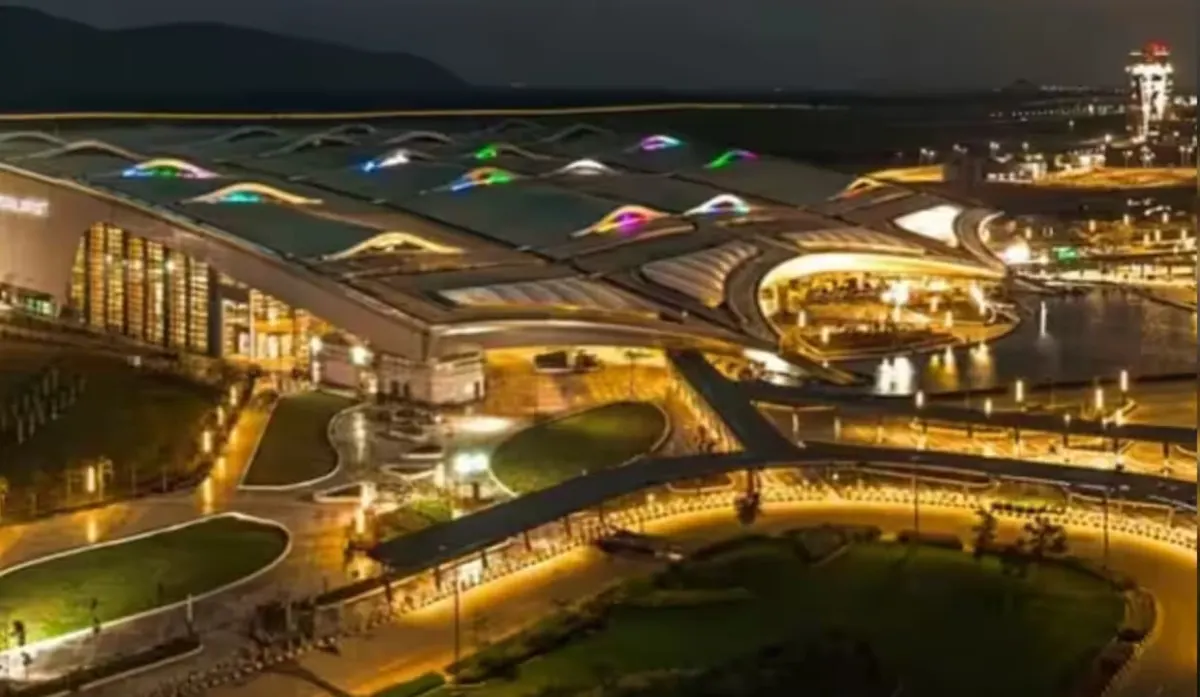
IndiGo Opens Commercial Flights at Bhogapuram
IndiGo launched the first commercial flight to the new Rs 5,700 crore Bhogapuram Airport, shifting civilian traffic from the old civil enclave.

Sydney Airport Master Plan 2045 Approved
The Australian government approved Sydney Airport's Master Plan 2045, enabling terminal integration to handle 72.6 million passengers by 2045.
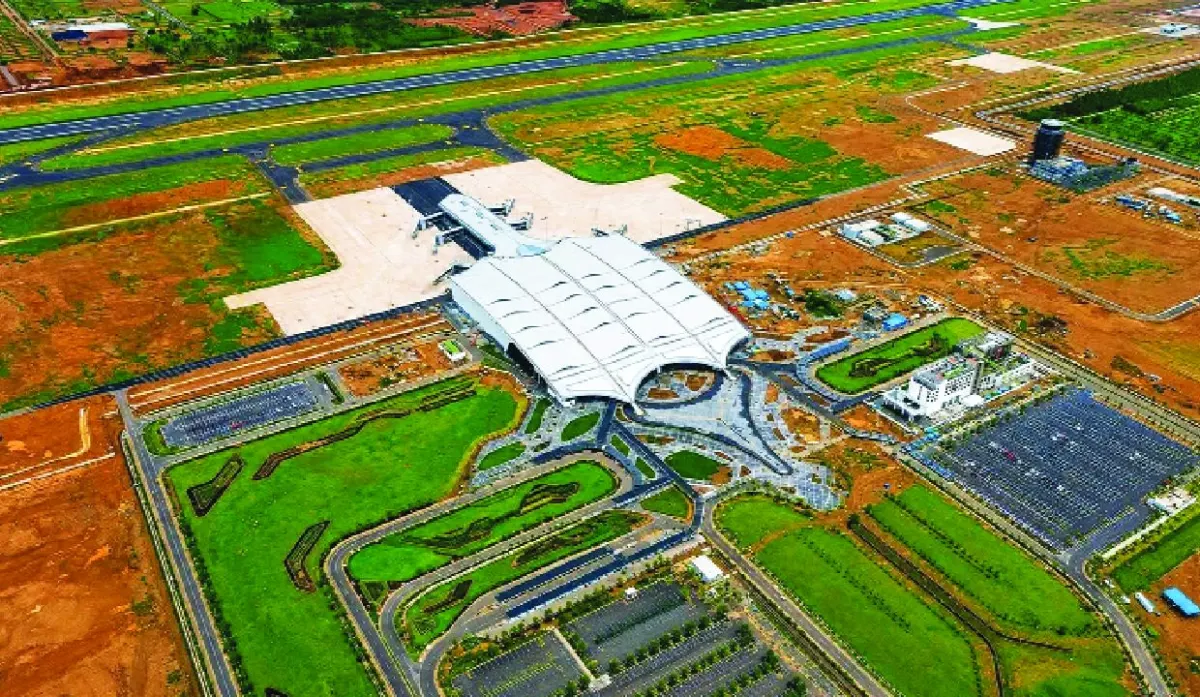
Visakhapatnam Airport Ends Commercial Flights for 30 Years
Visakhapatnam Airport ended scheduled commercial flights ahead of Bhogapuram's opening, triggering a 30-year moratorium on civil operations.
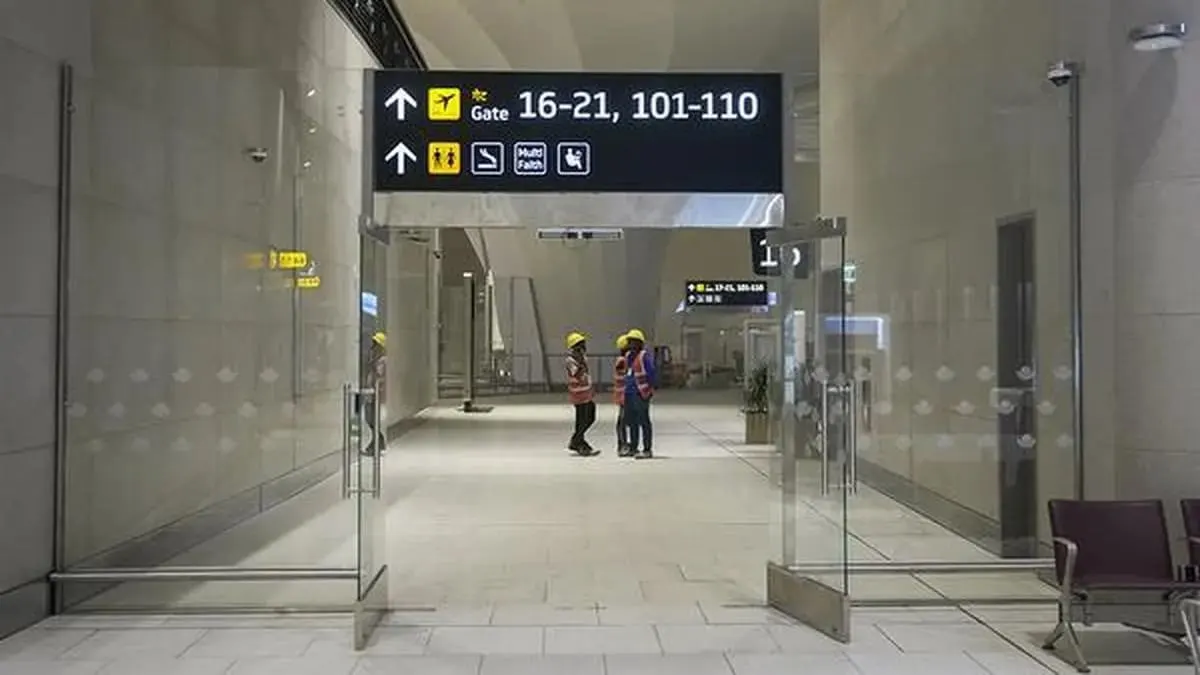
NMIA Approves 13 Airlines for Cargo Operations
NMIA has approved 13 international airlines to launch freighter flights, accelerating Mumbai's transition to a dual-airport cargo system.

Hong Kong Air Cargo Lands First Navi Mumbai Freighter
Hong Kong Air Cargo launched flights to Navi Mumbai, marking the airport's first international freighter service with 6 weekly movements.

ENAC Suspends Catania Flights Amid Mount Etna Eruption
ENAC suspended operations at Catania Airport due to a Mount Etna eruption, resulting in 700 flight cancellations and massive regional diversions.