SQ321 Final Report: Radar Failure Led to Turbulence

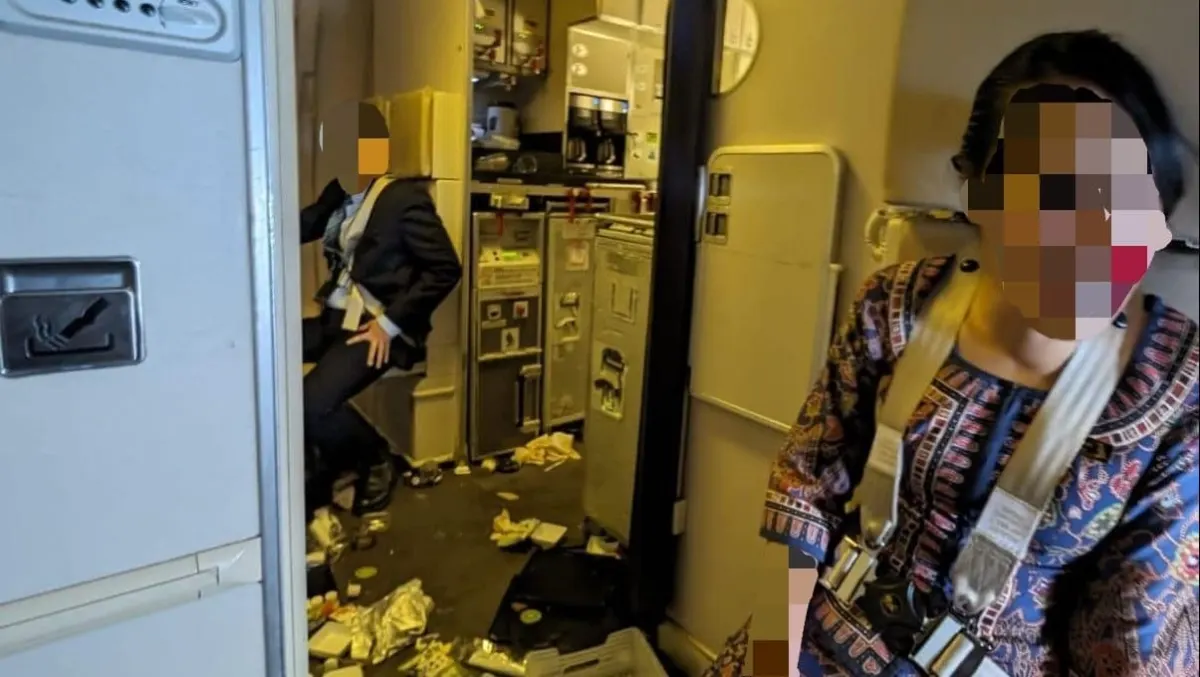
The TSIB final report on SQ321 confirms that weather radar failure contributed to the severe turbulence incident that resulted in one fatality.
Key Takeaways
- •TSIB final report confirms radar failed to detect the storm cell.
- •Incident caused 1 fatality and 79 injuries on the B777-300ER.
- •103 radar-related issues reported across 29,000 flights since 2023.
- •FAA and EASA expected to issue radar diagnostic directives by 2026.
Investigation Findings
The final SQ321 turbulence final report released by the TSIB (Transport Safety Investigation Bureau) provides a definitive account of the May 21, 2024, incident. The investigation confirms that the Boeing 777-300ER weather radar system failed to detect a rapidly developing cumulonimbus cloud. This failure resulted in the aircraft encountering severe, unforecasted turbulence. During the event, the aircraft dropped 178 feet in just 4.6 seconds, with vertical G-forces fluctuating violently between +1.35G and -1.5G. These forces ultimately resulted in one fatality and 79 injuries among passengers and crew.
Radar Reliability and Technical Concerns
A critical component of the TSIB Singapore investigation involved a comprehensive review of maintenance and operational records. The data revealed 103 reports of weather radar issues across approximately 29,000 flights between May 2023 and mid-2025. Notably, 12 of these anomalies, characterized by under-detection or non-detection of weather phenomena, were attributed specifically to the airframe involved in the SQ321 incident. This Boeing 777 weather radar performance data has prompted intense scrutiny regarding the limitations of standard onboard avionics in identifying low-moisture, convective storm cells. The TSIB preliminary investigation findings underscored the severity of the G-force fluctuations that caused the injuries.
Industry Impact and Operational Changes
The incident has forced a broader re-evaluation of in-flight safety protocols across the industry. SIA (Singapore Airlines) has proactively enhanced its turbulence management processes. Following the incident, the carrier suspended meal and hot beverage services whenever the seatbelt sign is illuminated. Stakeholders, particularly avionics manufacturers, are now facing increased pressure to improve radar sensitivity and predictive capabilities. Aviation safety analysts argue that airlines can no longer rely solely on onboard radar and must integrate real-time predictive turbulence data-sharing networks and satellite nowcasting to better mitigate risks.
Historical Context and Comparison
The SQ321 event is part of a concerning trend of severe turbulence incidents. In December 2022, Hawaiian Airlines Flight 35 encountered a similar rapidly developing convective cloud, resulting in 36 injuries, including 11 serious cases. More recently, in September 2024, Scoot Flight TR100 experienced turbulence that injured two passengers, with reports suggesting radar limitations played a role in that incident as well. These events highlight a pattern where standard radar systems struggle to paint low-moisture convective clouds, creating a false sense of security for flight crews.
Technical Analysis
The data suggests that reliance on traditional WXR (Weather Radar System) units is becoming insufficient as climate-driven weather patterns become more volatile. The SQ321 investigation indicates that the industry is at a crossroads regarding avionics standards. While current radar systems are effective for high-moisture storms, they frequently fail to detect the vertical convective clouds that produce severe clear air turbulence. This development signals a shift toward mandatory upgrades in diagnostic software and more robust pilot training regarding the limitations of existing radar displays. Historically, similar safety incidents have accelerated the adoption of new regulatory mandates, and it is likely that global regulators will soon move to standardize predictive turbulence tools.
What Comes Next
The investigation timeline points toward further regulatory action. By late 2026, it is expected that the FAA (Federal Aviation Administration) and EASA (European Union Aviation Safety Agency) will issue an Airworthiness Directive concerning WXR diagnostics and maintenance requirements. These future milestones are intended to ensure that radar systems are more rigorously tested for under-detection anomalies, reducing the risk of future incidents similar to SQ321.
Why This Matters
This investigation serves as a wake-up call for the aviation industry regarding the limitations of current onboard weather detection technology. For passengers and crew, the shift in service protocols represents a new standard of safety, while for airlines, it necessitates significant investment in predictive data systems. This incident confirms that as weather patterns evolve, the tools used to navigate them must also advance to ensure flight safety.
Frequently Asked Questions
- What caused the severe turbulence on Singapore Airlines flight SQ321?
- The TSIB final report concluded that the Boeing 777-300ER's weather radar failed to detect a rapidly developing cumulonimbus cloud, leading the aircraft into severe, unforecasted turbulence.
- How many weather radar anomalies were found on the SQ321 aircraft?
- Maintenance records indicated that the specific Boeing 777-300ER airframe used for flight SQ321 had 12 reported radar anomalies, such as under-detection or non-detection of weather, between May 2023 and mid-2025.
For in-depth airline coverage and commercial aviation news, omniflights.com delivers timely industry insights. For detailed airline coverage, route changes, and fleet moves, explore the Airlines section at omniflights.com/airlines.

Written by Hardik Vishwakarma
Co-Founder & Aviation News Editor leading initiatives that improve trust and visibility across the global aviation industry. Covers airlines, airports, safety, and emerging technology.
Visit ProfileYou Might Also Like
Delta A350 and Air Canada 777 Clip Wings at LAX
21 Air Flight 7598 Crash: NTSB Probes Pilot Pairing

British Airways BA295 and Flydubai FZ1073 Emergency Events
British Airways BA295 Makes Emergency Landing at Heathrow
Airbus Orders A330neo HTP Inspection After Tool Discovery