SpiceJet Ends 737 MAX Operations After Lease Termination

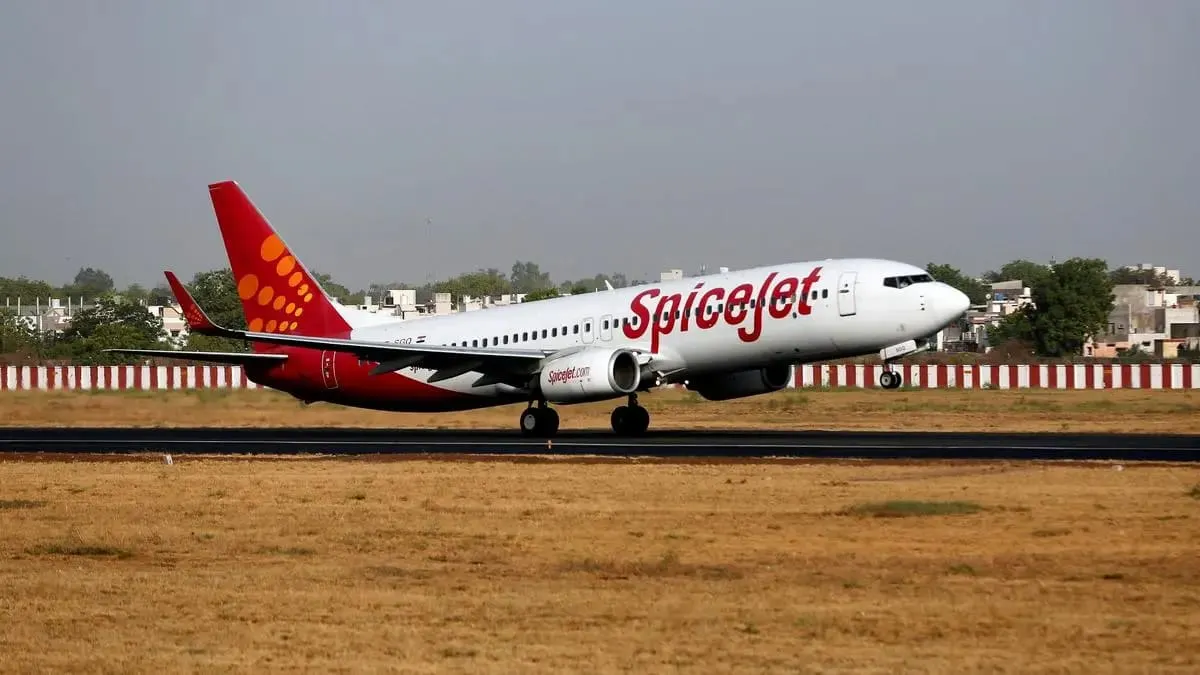
SpiceJet has ceased Boeing 737 MAX operations following a lease termination with BOC Aviation, leaving the carrier with an 11-aircraft active fleet.
Key Takeaways
- •SpiceJet ends 737 MAX operations after terminating BOC Aviation lease agreement.
- •Active fleet reduced to 11 aircraft, including three wet-leased A320s.
- •Domestic market share has plummeted to approximately 1.6%.
- •Aviation Turbine Fuel prices rose 5.46% on September 1, 2026.
SpiceJet Fleet Reduction Strategy
SpiceJet has officially ceased all SpiceJet 737 MAX operations following the mutual termination of its lease agreement with BOC Aviation (Bank of China Aviation). The decision marks a significant contraction for the carrier, which is currently navigating a severe liquidity crisis. Three Boeing 737 MAX 8 aircraft are currently being ferried out of India, as the airline seeks to reduce overhead costs associated with non-operational assets. According to a SpiceJet spokesperson, this fleet reduction is intended to eliminate ongoing lease rental expenses for aircraft that have remained grounded for a prolonged period.
Operational Impact and Market Position
The removal of the 737 MAX fleet has left the airline with an active fleet of just 11 aircraft. This count includes three Airbus A320s currently operating under wet-lease agreements. The carrier's domestic market share has plummeted to approximately 1.6%, a decline exacerbated by sustained financial pressures and rising operating costs. On September 1, 2026, Aviation Turbine Fuel (ATF) prices were hiked by 5.46%, further straining the financial stability of the low-cost carrier.
Regulatory Context and Repossession Trends
The exit of the 737 MAX fleet highlights the increasing use of the Irrevocable De-Registration and Export Request Authorisation (IDERA) framework in India. Under the Directorate General of Civil Aviation (DGCA) oversight, lessors are utilizing these legal mechanisms to reclaim aircraft from distressed operators. This trend mirrors the historical precedents of the Go First bankruptcy in May 2023 and the collapse of Jet Airways in April 2019, where lessors aggressively pursued asset repossession after lease defaults. While the Aviation Working Group and various lessors argue that these frameworks are essential to maintaining India's aviation credit rating, the immediate impact on passengers includes increased schedule volatility and reduced flight availability.
Boeing 737 MAX 8 vs Airbus A320neo: Key Specifications
| Metric | Boeing 737 MAX 8 | Airbus A320neo |
|---|---|---|
| Seating Capacity (Typical 2-class) | 162 | 165 |
| Range | 3,550 nmi | 3,400 nmi |
| Engine | CFM LEAP-1B | CFM LEAP-1A / P&W PW1100G |
Financial and Fleet Trajectory
The current situation reflects a broader industry trend where financially strained airlines are increasingly turning to wet-lease arrangements to maintain minimal schedules without the capital commitments of long-term dry leases. For Boeing, the departure of SpiceJet as an active 737 MAX operator represents a diminished footprint in a high-growth market currently leaning toward Airbus. Conversely, BOC Aviation is expected to redeploy the repossessed 737 MAX 8s into a global market characterized by high aircraft demand, mitigating the revenue loss from the terminated SpiceJet agreement.
Physical Repossession and Export Timeline
The physical repossession and export of the 737 MAX aircraft are expected to conclude throughout September 2026 under the oversight of the DGCA. Following this transition, the airline is expected to release its Q3 financial results in late 2026, which will provide further insight into the long-term viability of its remaining 11-aircraft fleet. The airline's ability to maintain its current network will remain subject to the availability of its wet-leased capacity and the stabilization of its remaining operational costs.
Why Market Share Matters
The contraction of SpiceJet's active fleet to 11 aircraft signals a critical shift in the competitive landscape of Indian aviation. Competing low-cost carriers, including IndiGo, Akasa Air, and Air India Express, are positioned to absorb the remaining domestic market share previously held by the carrier. For passengers, this consolidation implies a reduction in competition on key routes, which may influence ticket pricing and service frequency in the coming quarters.
Frequently Asked Questions
- Why did SpiceJet end its 737 MAX operations?
- SpiceJet terminated its lease agreement with BOC Aviation to reduce lease rental costs for aircraft that had remained non-operational for a prolonged period.
- What is the size of SpiceJet's active fleet following the 737 MAX removal?
- Following the removal of its 737 MAX aircraft, SpiceJet's active fleet has been reduced to 11 aircraft, which includes three Airbus A320s currently operating on wet lease.
Access up-to-date commercial aviation news and airline industry developments via omniflights.com. Get the latest updates on major hubs, regional terminals, and airport operations via the Airports section at omniflights.com/airports.

Written by Hardik Vishwakarma
Co-Founder & Aviation News Editor leading initiatives that improve trust and visibility across the global aviation industry. Covers airlines, airports, safety, and emerging technology.
Visit ProfileYou Might Also Like

Embraer to Acquire 51% Stake in Mahindra's Novavayu

Aviation Capital Group Orders 75 Airbus A320neo Aircraft

Lufthansa to Acquire 44.9% Stake in TAP Air Portugal
Avolon Orders 70 Rolls-Royce Trent 7000 Engines
IndiGo Secures $328M Financing for 8 Airbus Aircraft