SpiceJet Adds 3 A320s, Ungrounds 737 MAX for July Growth

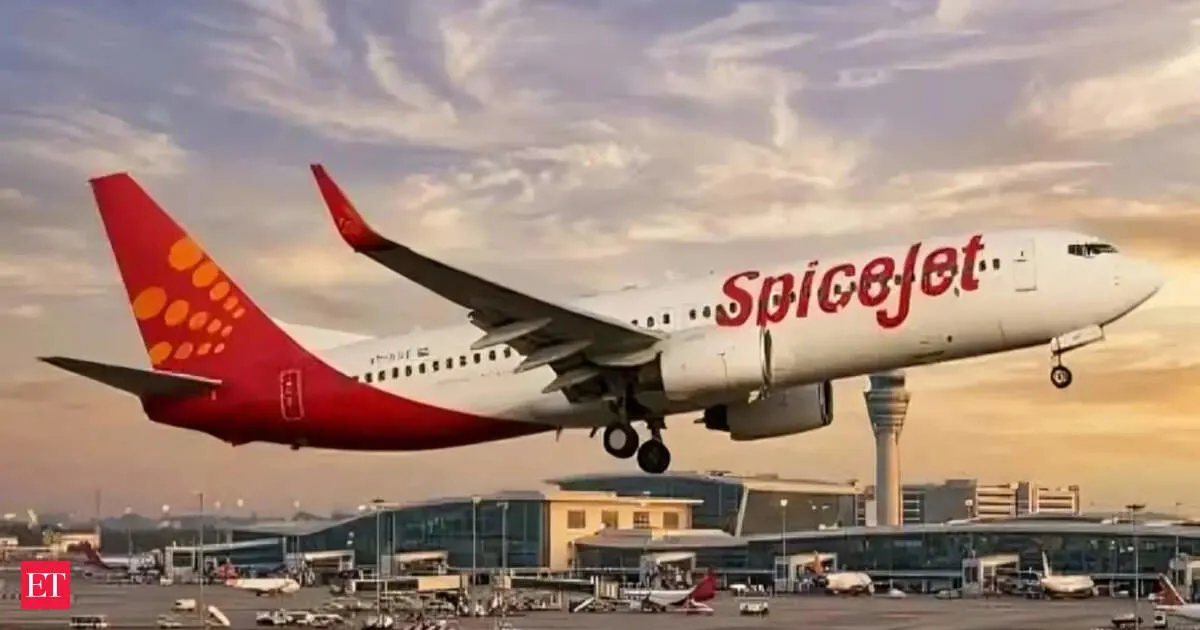
SpiceJet is inducting three Airbus A320s on a damp lease and returning a Boeing 737 MAX to service to boost capacity for the peak July 2026 travel season.
Key Takeaways
- •SpiceJet inducts 3 Airbus A320s via damp lease in July 2026.
- •One Boeing 737 MAX returned to active commercial service.
- •Moves aim to boost capacity for the peak Indian travel season.
- •Targeting 55-60 operational aircraft by Winter Schedule 2026.
Fleet Expansion and Operational Reactivation
SpiceJet announced on June 8, 2026, a strategic move to bolster its operational capacity through the induction of three Airbus A320 aircraft on a damp lease basis. The airline also confirmed the successful ungrounding and return to active commercial service of one Boeing 737 MAX. These initiatives, scheduled for full implementation by July 2026, are designed to address rising passenger demand and strengthen network resilience during the upcoming peak travel season. The SpiceJet official website serves as the primary source for these fleet updates.
This expansion comes as Indian carriers increasingly rely on short-term leasing to mitigate supply chain constraints. A damp lease agreement—where the lessor provides the aircraft, maintenance, and flight crew, while the lessee provides cabin crew—allows the airline to inject capacity quickly without the long lead times associated with new aircraft deliveries. According to Debojo Maharshi, Chief Business Officer at SpiceJet, these measures are central to the company’s broader strategy to improve network flexibility and capture rebounding market demand.
Regulatory and Technical Compliance
Operating foreign-registered aircraft under a damp lease requires rigorous oversight. The Directorate General of Civil Aviation (DGCA) mandates specific clearance processes to ensure that flight crew and maintenance procedures align with national safety standards. Similarly, the reactivation of the parked Boeing 737 MAX followed strict maintenance protocols and engine restoration sign-offs. The Boeing 737 MAX official page outlines the technical requirements for the aircraft family, which remains a core component of the carrier's future fleet strategy.
While management presents these moves as growth-oriented, some aviation financial analysts argue the reliance on damp leasing reflects persistent fleet readiness limitations. Despite these criticisms, the airline is focused on operational recovery; its Q3 FY26 net loss stood at INR 268 crore after forex and labour adjustments, marking a notable improvement from the previous quarter.
A320ceo vs 737 MAX 8: Key Specifications
| Metric | Airbus A320ceo | Boeing 737 MAX 8 |
|---|---|---|
| Range | 3,300 nmi | 3,550 nmi |
| Max High-Density Seating | 180 seats | 189 seats |
| Engine Generation | CFM56/IAE V2500 | CFM LEAP-1B |
Historical Context of Fleet Strategy
SpiceJet has historically utilized competitor narrowbody aircraft to manage capacity crunches. In February 2020, the carrier inducted two Airbus A320 aircraft on a wet lease from BH Air. The current move mirrors this precedent, demonstrating a recurring reliance on external assets to maintain schedule integrity. Furthermore, the ungrounding of the Boeing 737 MAX is part of a long-tail recovery phase following the global grounding crisis that spanned 2019 to 2021. For the current fleet, this reactivation is essential to reaching the management's target of 55 to 60 operational aircraft by the Winter Schedule 2026.
Milestone Timeline for Fleet Readiness
The induction of the three Airbus A320 aircraft is confirmed for July 2026, pending final DGCA operational verification. Following this, the airline expects to continue its fleet ungrounding program, with management projecting a total operational fleet count of 55 to 60 aircraft by the start of the Winter Schedule 2026. These milestones remain subject to ongoing maintenance performance and regulatory approval cycles.
Why This Matters for Indian Aviation
The dual approach of leasing and fleet reactivation highlights the intense pressure on Indian carriers to maximize asset utilization during peak periods. For passengers, this means increased seat availability and greater scheduling reliability. For the industry, the move signals a shift toward short-term capacity bridging as a standard response to systemic supply chain delays and the high cost of new aircraft procurement.
Frequently Asked Questions
- What is a damp lease in aviation?
- A damp lease is an agreement where the lessor provides the aircraft, maintenance, and flight crew, while the airline (lessee) provides its own cabin crew.
- How many aircraft is SpiceJet adding in July 2026?
- SpiceJet is inducting three Airbus A320 aircraft on a damp lease basis to join its operational fleet in July 2026.
For global airline trends and commercial aviation news, turn to omniflights.com. Get the latest updates on major hubs, regional terminals, and airport operations via the Airports section at omniflights.com/airports.

Written by Hardik Vishwakarma
Co-Founder & Aviation News Editor leading initiatives that improve trust and visibility across the global aviation industry. Covers airlines, airports, safety, and emerging technology.
Visit ProfileYou Might Also Like

Southwest Reports Record Q3 Revenue Amid Transformation
American Airlines Reports Record Q3 Revenue Amid Fuel Costs
American Airlines Projects 2026 Loss on Rising Fuel Costs
American Airlines to Nearly Triple Premium 787-9 Fleet

Airline Shares Rise Following United Revenue Guidance