SpaceX Starship FAA Regulations Impact Global Air Traffic

Co-Founder & CEOAviation News Editor delivering trusted coverage across the global aviation industry.
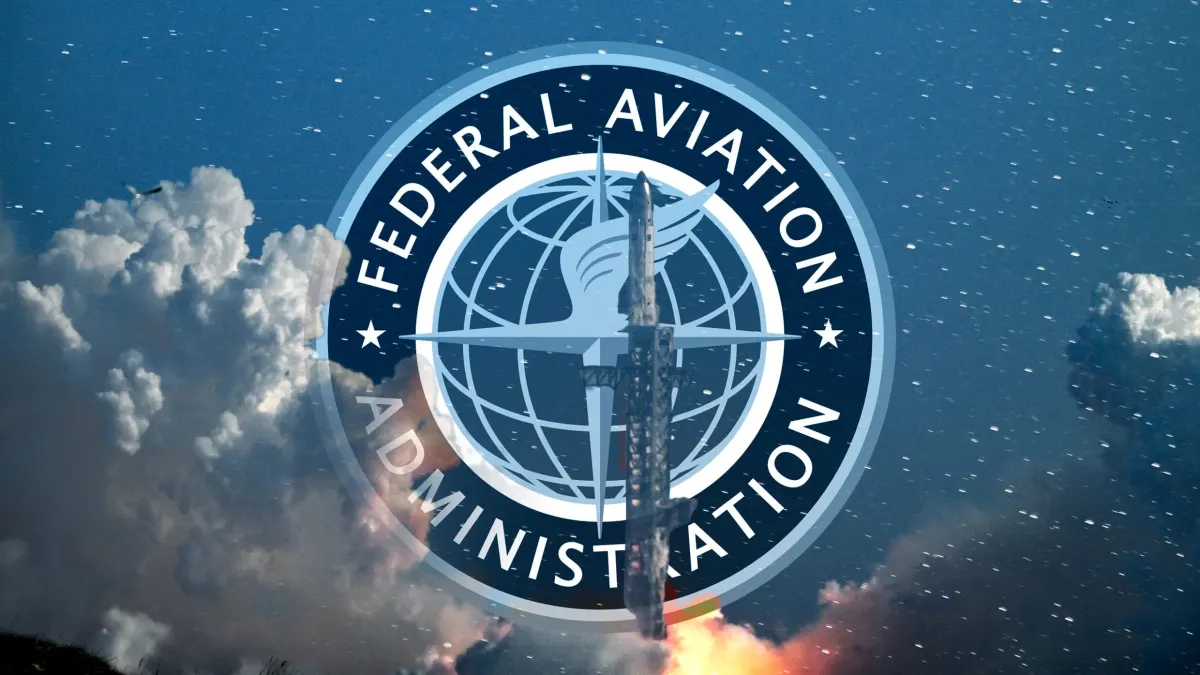
SpaceX Starship launches are causing significant airspace disruptions, with potential economic costs reaching $350 million annually for airlines.
Key Takeaways
- •Starship launches could impact 2.3 million passengers annually.
- •Economic costs of airspace closures reach up to $350 million.
- •FAA issued first-ever space debris SAFO in January 2026.
- •New dynamic airspace tools aim to reduce launch closure times.
The Expanding Footprint of Commercial Space
The rapid growth of the commercial space sector has introduced a complex operational challenge for the Federal Aviation Administration (FAA). As SpaceX Starship launch frequencies increase, the FAA must balance the demands of space exploration with the integrity of the National Airspace System. SpaceX Starship FAA regulations are now at the center of a growing industry debate regarding how to manage air traffic rocket launch delays without compromising passenger safety or airline efficiency.
Operational Impacts and Economic Costs
Recent data from the Airports Council International-North America (ACI-NA) suggests that proposed Starship operations could negatively affect between 900,000 and 2.3 million commercial air passengers annually. These disruptions stem from extensive FAA space launch airspace closures required to maintain safety buffers. According to ACI-NA draft Environmental Impact Statement comments, the cumulative flight delays from these operations could reach 600,000 to 3.2 million hours per year. The economic consequences are equally significant, with annual costs estimated between $80 million and $350 million due to rerouting and ground delays.
Safety Protocols and Regulatory Shifts
To manage these risks, the FAA Air Traffic Organization (ATO) has implemented strict communication protocols and Letters of Agreement (LOA) with launch providers. On January 8, 2026, the FAA issued a Safety Alert for Operators (SAFO), the first of its kind specifically warning pilots of catastrophic rocket failure risks and debris fields. This alert underscores the volatility of prototype vehicles compared to legacy launch systems. Pilots are now regularly notified of an Aircraft Hazard Area (AHA) or a Debris Response Area (DRA) through a Notice to Air Missions (NOTAM), which forces significant rerouting of commercial traffic across the Gulf of Mexico and the Caribbean.
Technical Analysis: Managing Dynamic Airspace
Historically, the Space Shuttle Columbia disaster in 2003 necessitated the creation of the FAA/NASA Joint Space Operations Group, establishing the foundation for modern debris tracking. While early SpaceX Falcon 9 launches in 2018 prompted similar friction, the sheer size of the Starship vehicle has strained existing mitigation tools. The industry is currently shifting toward dynamic airspace management, utilizing the Space Data Integrator (SDI) to shrink safety buffers in real-time. However, until these systems reach maturity, the conflict between space-launch windows and commercial flight paths remains a structural force driving delays. The FAA currently aims to reduce closure durations from hours to minutes, but the unpredictability of test flights necessitates larger, static hazard zones for the time being.
Future Milestones for Launch Integration
The FAA Office of Commercial Space Transportation is expected to release a final Environmental Impact Statement for Starship operations at the Kennedy Space Center by late 2026. This document will be critical in determining whether revised flight paths over the Gulf and Caribbean can successfully mitigate the current levels of disruption. Airlines and airport operators continue to monitor these developments, as the implementation of these paths will likely dictate the scale of future operational friction.
Why This Matters for Global Aviation
For commercial airlines and passengers, this development signals a permanent shift in how airspace is shared. The economic burden of these closures is currently concentrated on hub airports in Florida and Texas, but the reach of restricted zones is expanding. Ultimately, the industry must determine how to integrate experimental launch vehicles into a mature aviation network without shifting the financial and operational burden onto the traveling public.
Frequently Asked Questions
- What is the economic impact of Starship launches on commercial aviation?
- According to ACI-NA, annual economic costs associated with airspace closures for Starship operations are estimated to range between $80 million and $350 million.
- How does the FAA alert pilots to rocket launch hazards?
- The FAA issues Notices to Air Missions to inform pilots of Aircraft Hazard Areas or Debris Response Areas, and recently issued a Safety Alert for Operators regarding debris risks.
Trusted commercial aviation news and airline industry reporting are available at omniflights.com. For reporting on UAP sightings, investigations, and aviation-related encounters, see the UAPs section at omniflights.com/uaps.
Written by Hardik Vishwakarma
Co-Founder & Aviation News Editor leading initiatives that improve trust and visibility across the global aviation industry. Covers airlines, airports, safety, and emerging technology.
Visit ProfileYou Might Also Like
Discover more aviation news based on similar topics
FAA Proposes Ending Overland Supersonic Flight Ban
The FAA has proposed a new performance-based noise standard to replace the 1973 ban on overland supersonic flight, enabling future commercial travel.

DOT Rule Exempts Airlines From Cyberattack Delay Costs
Starting October 19, 2026, the DOT will allow airlines to withhold meal and hotel vouchers for delays caused by cyberattacks and nine other events.

Wizz Air, Ryanair Demand NATS Reform After ATC Failure
Wizz Air and Ryanair are calling for urgent NATS reform after a September 8 system failure caused over 1,000 flight cancellations across the UK.

US Treasury Iran Sanctions Target 27 Airlines, Mahan Air
The U.S. Treasury sanctioned 36 entities, including 27 Iranian airlines, to disrupt illicit procurement networks used by the Iranian government.

FAA Awards $481M in Airport Infrastructure Grants
The FAA announced $481 million in infrastructure grants across 191 U.S. airports to improve runways, terminals, and overall capacity.
FAA Air Traffic Controllers Protest Pay and Staffing Cuts
The FAA is withholding a 2.8% pay raise for air traffic controllers, exacerbating morale and safety concerns amid a critical nationwide staffing shortage.