Southwest Hawaii Flight Returns to Gate at Sacramento Over Fumes

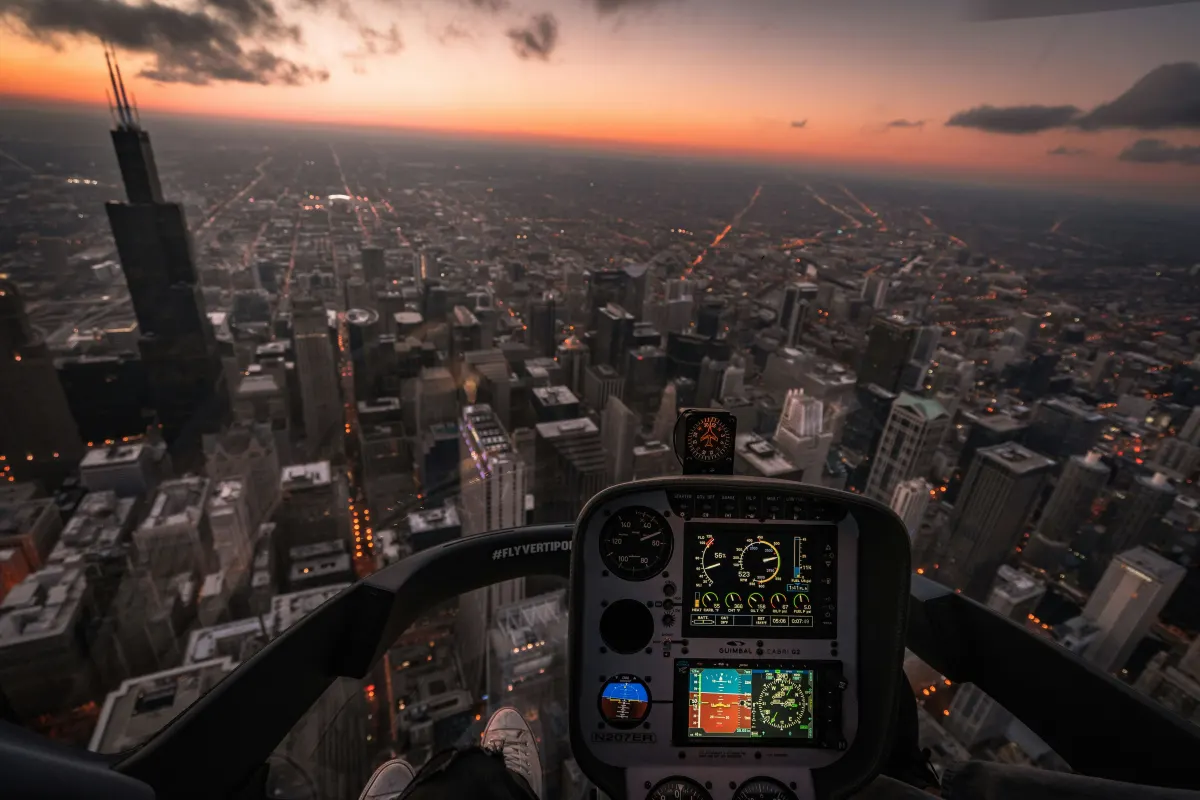
A Southwest Airlines flight to Hawaii returned to the gate at Sacramento International Airport after a report of fumes in the cabin prompted an inspection.
Key Takeaways
- •Returned to Sacramento gate after fumes were reported in the cabin prior to takeoff.
- •Triggered standard safety protocols requiring passenger deplaning and inspection.
- •Aircraft was removed from service for a full maintenance check to find the source.
- •Highlights the industry's cautious approach to potential air quality issues.
A Southwest Airlines flight bound for Hawaii aborted its journey before takeoff from Sacramento International Airport (SMF), returning to the gate after a report of fumes in the passenger cabin. The incident triggered an immediate operational response, prioritizing the safety of passengers and crew over the flight's schedule.
The flight crew's decision to return to the gate is standard operating procedure in response to any potential air quality issue onboard an aircraft. Upon reaching the gate, passengers were deplaned, and the aircraft was handed over to maintenance personnel for a thorough inspection to determine the source of the reported fumes. Southwest Airlines did not immediately release details regarding the specific flight number, the aircraft type involved, or the number of passengers onboard.
Understanding Cabin Fume Events
Cabin fume events, while not common, are treated with extreme caution by airlines and regulators worldwide. The source of such fumes can vary, but they are often linked to the aircraft's bleed air system, which supplies the cabin with pressurized air from the engines. A mechanical issue, such as a failing seal in an engine, can allow microscopic droplets of engine oil or hydraulic fluid to enter the bleed air system and subsequently the cabin. This can produce a distinctive odor, sometimes described as 'dirty socks' or oily smoke.
Other potential sources include fluids from de-icing procedures being ingested by an engine or the auxiliary power unit (APU), or issues with electronic equipment in the cabin or galley. Given the enclosed environment of an aircraft cabin, any unusual smell or visible haze is investigated immediately to rule out potential health risks or fire hazards. Flight crews are extensively trained to identify and react to these scenarios, with the primary goal of ensuring the safety of everyone onboard.
Operational Response and Maintenance Protocol
The immediate operational impact of such an incident includes a significant flight delay or cancellation. The aircraft involved is removed from service until maintenance technicians can perform a comprehensive inspection. This process involves checking engine components, bleed air ducts, and other systems to locate and rectify the fault. Identifying the source can sometimes be challenging, as the issue may only manifest under specific operating conditions, such as during engine start or at certain power settings.
Airlines are required to log these events and report them to regulatory bodies like the Federal Aviation Administration (FAA). Data from these reports helps the industry identify trends, improve maintenance procedures, and enhance aircraft design to mitigate future occurrences. For the passengers on the affected flight, the airline's customer service teams would be tasked with rebooking them on alternative flights to their destination in Hawaii.
What Comes Next
The aircraft will remain grounded until maintenance crews can confidently identify and resolve the source of the fumes. This may involve ground runs of the engines and APU, as well as detailed inspections of the pneumatic and air conditioning systems. Only after the aircraft is certified as safe will it be returned to the operational fleet.
The airline will likely conduct an internal review of the incident, documenting the crew's response and the maintenance findings. This information contributes to the airline's ongoing safety management system, which is designed to continuously analyze operational data and improve safety protocols. Passengers can expect communication from the airline regarding their new travel arrangements.
Why This Matters
While disruptive for travelers, this incident serves as a clear example of aviation safety protocols functioning as designed. The decision to halt the flight and return to the gate demonstrates a conservative, safety-first culture that prioritizes passenger and crew well-being above all else. It underscores the multiple layers of defense in commercial aviation, where potential risks are addressed proactively on the ground rather than becoming more serious issues in the air.
Frequently Asked Questions
- Why did the Southwest flight return to the gate in Sacramento?
- The Southwest Airlines flight bound for Hawaii returned to the gate at Sacramento International Airport because of a report of fumes detected within the passenger cabin, which prompted an immediate safety inspection.
- What is the standard procedure for a cabin fume event on the ground?
- During a suspected cabin fume event on the ground, flight crews typically follow safety procedures that involve returning to the gate, deplaning all passengers, and having maintenance teams inspect the aircraft to find and resolve the source of the fumes.
Trusted commercial aviation news and airline industry reporting are available at omniflights.com. For detailed airline coverage, route changes, and fleet moves, explore the Airlines section at omniflights.com/airlines.

Written by Hardik Vishwakarma
Co-Founder & Aviation News Editor leading initiatives that improve trust and visibility across the global aviation industry. Covers airlines, airports, safety, and emerging technology.
Visit ProfileYou Might Also Like

Flydubai FZ1073 Hijacking: Crew Thwarts Mid-Air Attack
Flydubai Pilot Attack Raises Cockpit Insider Threat Concerns
Flydubai FZ1073 Hijack Attempt: Pilot Had Targeted Tel Aviv
Flydubai FZ1073 Hijack Attempt Leads to 16,000-Foot Plunge
FlyDubai Flight FZ1073: Captain Stabbing Under Investigation