American Airlines Flight Diverts to LAX After Suspected Blown Tire

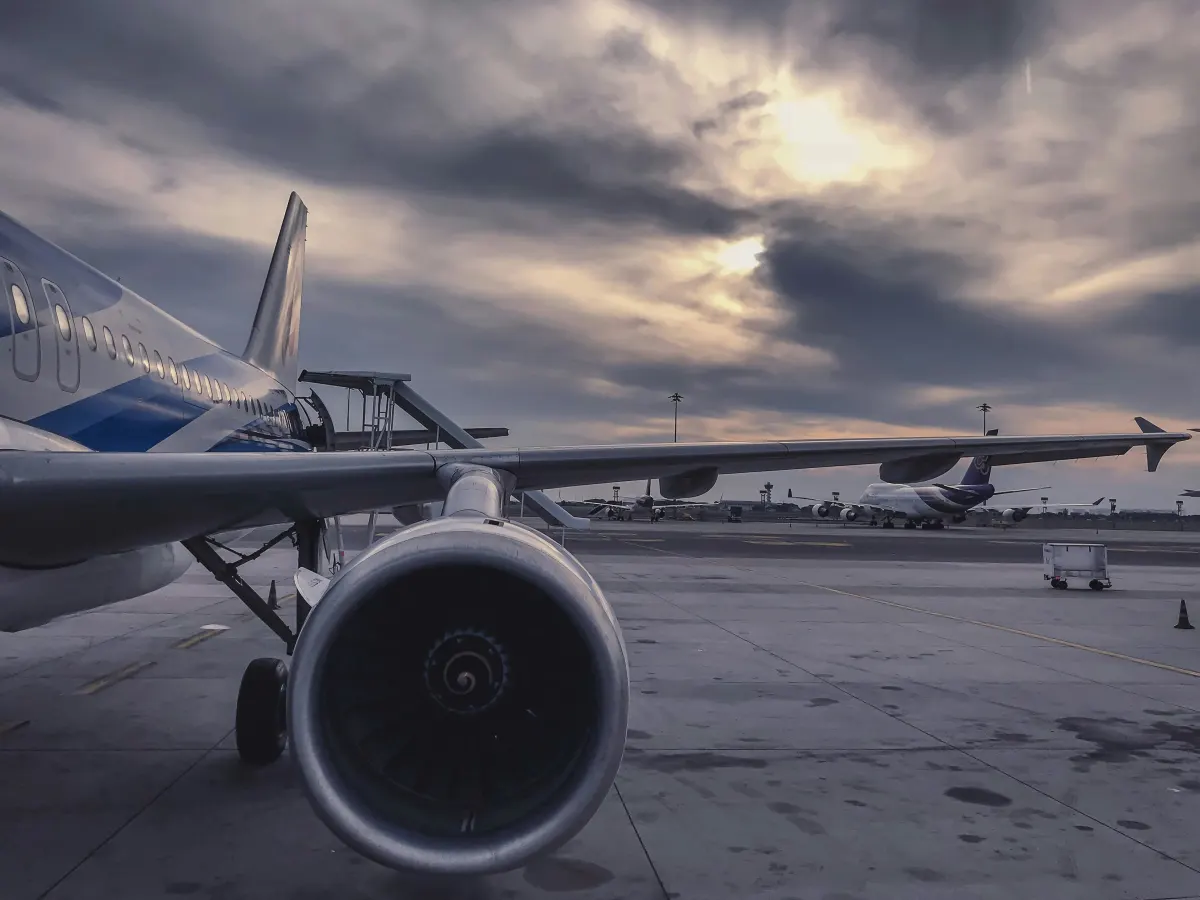
An American Airlines flight diverted to Los Angeles International Airport after takeoff due to a suspected blown tire, prompting an immediate emergency...
Key Takeaways
- •Diverted to Los Angeles International Airport (LAX) as a precaution for a suspected blown tire.
- •Highlights heightened industry-wide focus on landing gear integrity and maintenance.
- •Triggered a standard emergency response, including Aircraft Rescue and Fire Fighting (ARFF) teams.
- •Aircraft expected to return to service within 48 hours pending a full maintenance inspection.
An American Airlines flight bound from Southern California was diverted to Los Angeles International Airport (LAX) shortly after takeoff following a mechanical issue, identified as a possible blown tire.
The diversion is a standard precautionary measure designed to prioritize passenger and crew safety, allowing the aircraft to land at an airport equipped with extensive emergency services and long runways. Upon landing safely, the aircraft was met by emergency crews as part of established airport protocol. The incident caused significant delays for the passengers on board, who required rebooking to reach their final destinations.
Incident Details and Response
The flight crew declared an issue after takeoff, leading to the decision to return to the Los Angeles area. LAX was selected as the diversion airport due to its operational capacity, which includes four runways. According to the Federal Aviation Administration (FAA) Airport Facility Directory, its longest runway, Runway 25R/07L, measures 12,091 feet, providing a critical safety margin for aircraft that may have compromised braking or control capabilities.
Upon landing, the aircraft was met by Aircraft Rescue and Fire Fighting (ARFF) units. This is a standard procedure for landings involving suspected landing gear or tire issues. Following the aircraft's arrival, airport operations would typically conduct a runway inspection to check for foreign object debris (FOD) that could pose a risk to other flights. The affected aircraft was subsequently towed to a maintenance area for a thorough inspection by American Airlines maintenance personnel. The inspection focuses on the wheel assembly, brakes, and surrounding structures in the wheel well for any collateral damage.
Industry Context
This event occurs amid heightened scrutiny on landing gear maintenance across the U.S. aviation industry. A high-profile incident in March 2024, involving a United Airlines Boeing 777 that lost a wheel during takeoff from San Francisco and also diverted to LAX, has increased regulatory and public focus on the integrity of wheel assemblies. While tire blowouts are not uncommon, they are treated with extreme caution.
For a carrier the size of American Airlines, which operates the world's largest commercial fleet with over 900 mainline aircraft, occasional mechanical diversions are a statistical reality despite rigorous maintenance schedules governed by FAA regulations like 14 CFR Part 121. This type of event reinforces the industry's safety culture, where diverting is favored over continuing a flight with a potential mechanical fault. A similar precedent occurred in July 2019, when an American Airlines Airbus A320 safely returned to its origin airport after a tire blew on takeoff, demonstrating the established nature of this safety procedure.
What Comes Next
The incident will be logged by the Federal Aviation Administration (FAA), with a formal report typically filed within seven to ten days. For the airline, the immediate priority is passenger accommodation and aircraft recovery.
American Airlines Maintenance is expected to complete its inspection and any necessary repairs, such as replacing the entire wheel assembly, promptly. Barring the discovery of any significant structural damage, the aircraft is expected to be approved for Return to Service (RTS) within 24 to 48 hours of the incident.
Why This Matters
This incident, while disruptive for passengers, serves as a real-world example of aviation safety protocols working as intended. It demonstrates how flight crews, air traffic control, and airport emergency services coordinate to manage in-flight mechanical issues safely. For the wider industry, it reinforces the importance of conservative decision-making in the cockpit and the critical role of well-equipped hub airports like LAX in supporting the safety of the national airspace system.
Frequently Asked Questions
- Why do flights divert for a blown tire?
- Flights divert for a suspected blown tire as a precautionary safety measure. This allows the aircraft to land as soon as practical at a suitable airport with long runways and full emergency services to allow for a thorough inspection of the landing gear, brakes, and surrounding systems for any potential damage.
- What happens when a plane makes an emergency landing at LAX?
- During a precautionary landing at Los Angeles International Airport, Aircraft Rescue and Fire Fighting (ARFF) teams are typically dispatched to meet the aircraft on the runway. The runway is often temporarily closed for an inspection to check for debris, and the aircraft is then towed to a maintenance area for evaluation by engineers.
Stay ahead of the airline industry with commercial aviation news from omniflights.com. From aircraft production to supply chains, commercial aviation manufacturing news is covered at omniflights.com/manufacturing.

Written by Hardik Vishwakarma
Co-Founder & Aviation News Editor leading initiatives that improve trust and visibility across the global aviation industry. Covers airlines, airports, safety, and emerging technology.
Visit ProfileYou Might Also Like
British Airways BA295 Makes Emergency Landing at Heathrow
Airbus Orders A330neo HTP Inspection After Tool Discovery

Flydubai FZ1073 Hijacking: Crew Thwarts Mid-Air Attack
Flydubai Pilot Attack Raises Cockpit Insider Threat Concerns

Flydubai FZ1073 Hijack Attempt: Pilot Had Targeted Tel Aviv