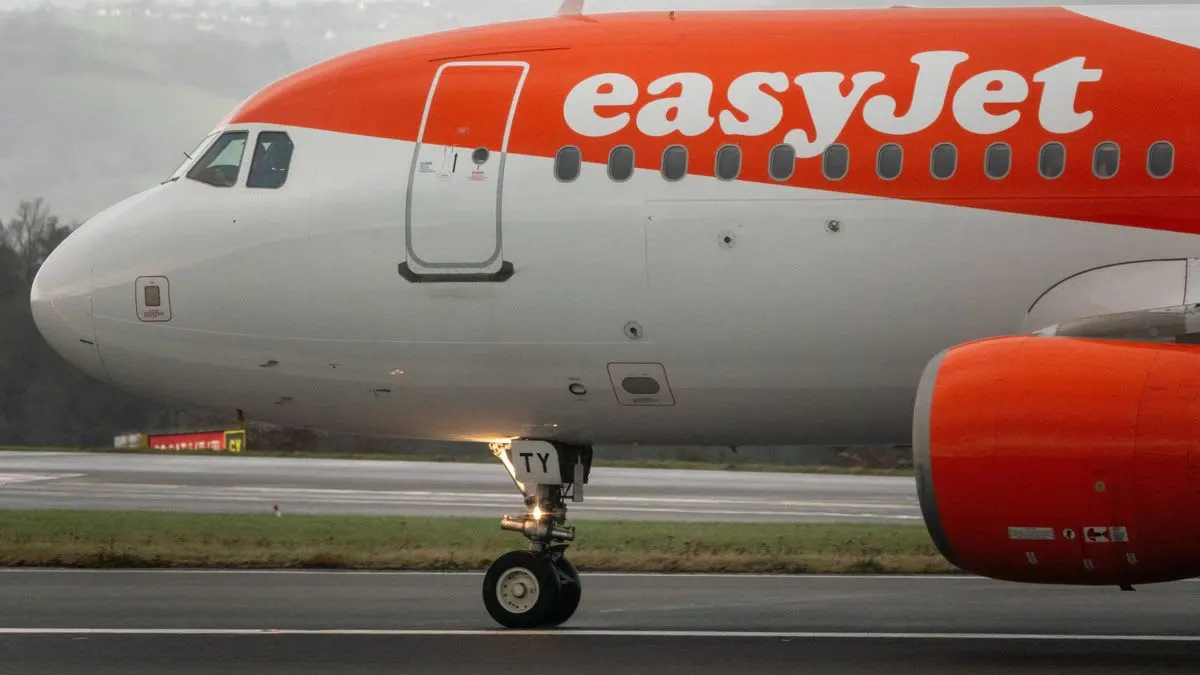
Southwest Flight 2094 Diverted to Atlanta After Security Threat

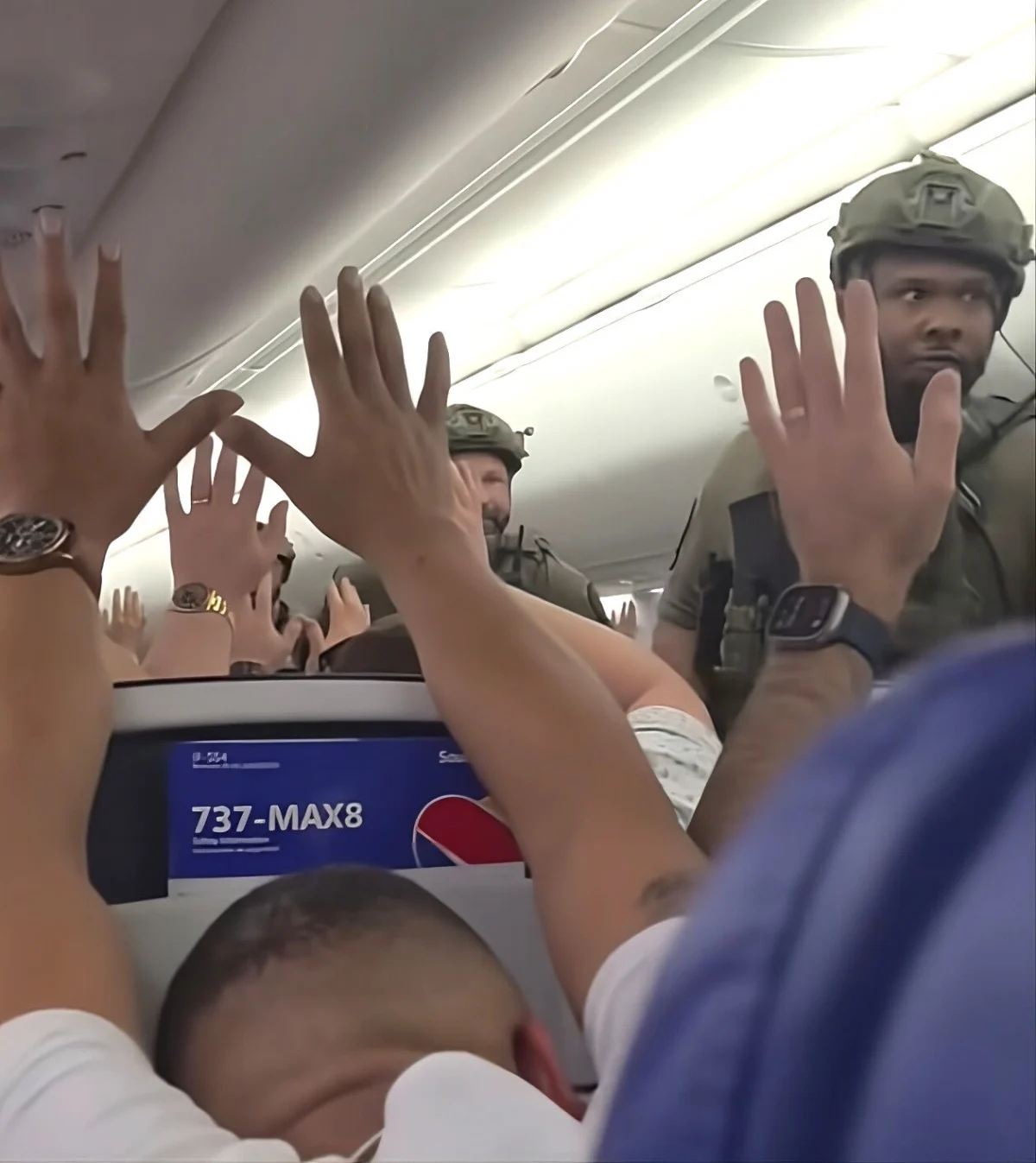
A Southwest flight from Nashville to Fort Lauderdale diverted to Atlanta after a security threat was reported, which the FBI later found to be non-credible.
Key Takeaways
- •Diverted to Atlanta after a passenger-reported security threat on March 7, 2026.
- •Met by law enforcement upon landing; FBI later determined no credible threat existed.
- •Prompted a U.S. Congressman to call for full funding for the Department of Homeland Security.
- •Mirrors a 2016 incident where a professor's math equations were mistaken for a threat.
A Southwest Airlines flight was diverted to Atlanta on Friday, March 7, 2026, following a security threat reported by a passenger. The flight, operating as Southwest Flight 2094 from Nashville to Fort Lauderdale, was met by law enforcement upon landing. Subsequent investigation determined the threat was not credible.
The incident involved a Boeing 737 MAX 8 carrying more than 140 passengers. After the aircraft was secured at a remote area of Hartsfield-Jackson Atlanta International Airport (ATL), passengers deplaned and were interviewed by authorities. The Federal Bureau of Investigation (FBI) led the investigation and concluded that no credible threat existed. Officials have stated that no charges were filed against the passenger who was removed from the flight for questioning.
Law Enforcement and Airline Response
In line with standard protocols for potential security threats, law enforcement responded tactically to the situation. Such responses often involve specialized units to quickly secure the aircraft and neutralize any potential danger, sometimes instructing passengers to keep their heads down and hands up to ensure control.
In a statement, a spokesperson for Southwest Airlines addressed the disruption, saying, “We appreciate the professionalism of our Flight Crew and sincerely apologize to our Customers for the significant delay. Nothing is more important to Southwest than the safety of its Customers and employees.” While not officially confirmed by the airline, a passenger on the flight reported that Southwest provided all travelers with $200 vouchers as compensation for the significant disruption to their travel plans.
Political and Regulatory Context
The incident drew a swift reaction from Washington. Congressman Nick Langworthy used the event to advocate for increased government funding for security agencies. “This incident is a powerful reminder that the threats facing our nation are real and require constant vigilance,” Langworthy stated. He called for the Senate to pass legislation that would fully fund the Department of Homeland Security (DHS).
Under federal law, making false threats against an aircraft carries severe consequences. Title 18 U.S.C. § 35 of the U.S. Code makes conveying false information regarding attempts to damage or destroy an aircraft a federal felony, punishable by significant fines and imprisonment of up to five years. A related statute, 49 U.S.C. § 46507, also establishes felony penalties for such actions. These regulations underscore the seriousness with which the U.S. legal system treats potential threats to aviation safety.
Historical Precedent of Passenger Misinterpretation
This event is not the first time a passenger's suspicion has led to a major flight disruption based on a misinterpretation. The incident recalls a widely reported event in 2016, when Guido Menzio, an economics professor at the University of Pennsylvania, was questioned by authorities after a fellow passenger mistook the differential equations he was writing for a coded terrorist threat. That flight was delayed by approximately two hours while the situation was investigated.
These cases highlight an ongoing trend of passenger-reported security threats, which present a challenge for airlines and law enforcement. Authorities must treat every report as potentially credible, leading to significant operational disruptions, even when the initial suspicion is based on misunderstanding or profiling.
Why This Matters
This development underscores the delicate balance between passenger vigilance and the high cost of false alarms in modern aviation. For airlines, such incidents result in significant operational and financial impacts, including flight diversions, delays, and passenger compensation. For the broader industry, it highlights the need for clear protocols and reinforces the legal and ethical responsibility of passengers to report genuine concerns without resorting to baseless profiling that can disrupt the entire air travel system.
Visit omniflights.com for the latest commercial aviation news and airline industry updates. From aircraft production to supply chains, commercial aviation manufacturing news is covered at omniflights.com/manufacturing.

Written by Ujjwal Sukhwani
Aviation News Editor & Industry Analyst delivering clear coverage for a worldwide audience. Covers flight operations, safety regulations, and market trends with expert analysis.
Visit ProfileYou Might Also Like
Israel Bans United Airlines Pilot Over Pro-Iran Posts
Attack on Saudi King Fahd International Airport
LATAM Airlines A320 Engine Fire During Takeoff in Peru
Riyadh Airport Limits Traffic Following Houthi Attacks
FAA Mandates Fuel Valve Inspections for A330 and A340