Southwest Airlines Weighs First Class Amid LCC Model Shakeup

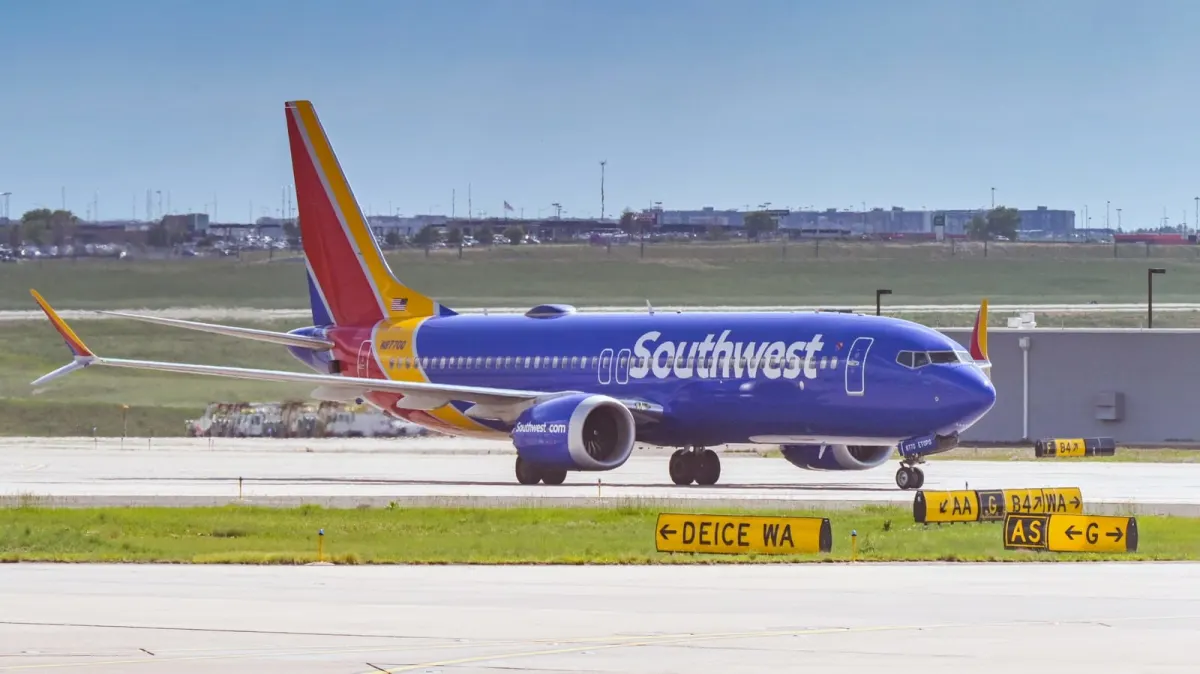
Southwest Airlines considers first-class seating, ending its no-frills tradition as Spirit Airlines' bankruptcy highlights the low-cost carrier model...
Key Takeaways
- •Introduces assigned seating and explores first-class cabins to boost revenue.
- •Signals a strategic pivot from its traditional no-frills, open-seating model.
- •Coincides with Spirit Airlines' bankruptcy and fleet reduction to 76-80 aircraft.
- •Reflects a broader industry trend of low-cost carriers adopting premium services.
The foundational principles of the low-cost carrier model in the United States are undergoing a seismic shift, exemplified by strategic pivots at Southwest Airlines and the financial turmoil at Spirit Airlines. Southwest, long a bastion of single-class, open-seating service, officially began operating flights with assigned seating on January 27, 2026, and is now actively exploring the introduction of first-class cabins. This move coincides with Spirit Airlines' deep struggles, as the carrier navigates a Chapter 11 bankruptcy that will see its fleet dramatically reduced.
The simultaneous premiumization of one Low-Cost Carrier (LCC) and the contraction of an Ultra-Low-Cost Carrier (ULCC) signals a potential end to the no-frills era that reshaped domestic air travel. For Southwest, the changes are designed to boost revenue and attract higher-yield passengers. For Spirit, the restructuring is a fight for survival.
Southwest's Strategic Upmarket Shift
Southwest's departure from its egalitarian roots is a calculated financial decision aimed at maximizing revenue per available seat mile. According to CEO Bob Jordan, the airline is "seriously considering offering first-class seating" to "segment demand and monetize the cabin." This follows the successful rollout of assigned seating, which Tony Roach, Southwest's EVP of Customer & Brand, stated "unlocks new opportunities for our Customers... and removes the uncertainty" of the traditional boarding process. The transition impacts millions of passengers, particularly the airline's loyal A-List members, who will now navigate a system of paid seat selection and tiered fares, a model more aligned with legacy competitors like Delta, United, and American.
This strategy is not without criticism. Some industry analysts view the transformation as a pivot toward shareholder value extraction rather than customer improvement, arguing it primarily monetizes the cabin through tiered pricing for largely the same physical space. However, the move places Southwest in direct competition for premium leisure and business travelers who previously overlooked the carrier due to its lack of premium amenities.
Spirit Airlines' Restructuring for Survival
While Southwest moves upmarket, Spirit Airlines is focused on downsizing to stay solvent. Operating under Chapter 11 protection overseen by the U.S. Bankruptcy Court for the Southern District of New York, the airline is implementing its "Project Soar" restructuring plan. According to its Restructuring Support Agreement (RSA), Spirit will rightsize its fleet from over 200 aircraft to just 76-80 planes by the third quarter of 2026. This aggressive fleet reduction is a core component of its plan to reduce debt and lease obligations from $7.4 billion to approximately $2 billion upon emerging from bankruptcy.
The impact on Spirit's employees is severe, with the massive fleet cut likely to cause significant furloughs and base closures. The contraction also affects aircraft manufacturer Airbus, as Spirit's restructuring involves auctioning aircraft and deferring future A320neo family deliveries, impacting the manufacturer's order book. Despite securing Debtor-in-Possession (DIP) financing, Spirit faces headwinds, with some creditors arguing that rising jet fuel costs make its standalone plan unviable and are pushing for liquidation instead.
Historical Parallels and Industry Context
These strategic shifts are part of a broader trend of premiumization among low-cost carriers. The current situation has clear historical precedents. In 2014, JetBlue Airways successfully transitioned away from its single-class model by introducing its 'Mint' premium cabins, which became a highly profitable product that captured a significant share of the transcontinental premium market. This demonstrates a viable path for an LCC to move upmarket, a pattern that supports Southwest's current strategy.
Conversely, Spirit's restructuring mirrors the bankruptcy of Norwegian Air Shuttle in 2020-2021. Norwegian survived by abandoning its ambitious long-haul low-cost operations, drastically shrinking its fleet, and refocusing on profitable regional routes. This precedent suggests that aggressive contraction, while painful, is a proven strategy for an LCC to emerge from bankruptcy, supporting the logic behind Spirit's 'Project Soar'.
What Comes Next
The coming months will be critical for both airlines and the LCC sector. According to court filings and company statements, several key milestones are on the horizon.
- Summer 2026: The U.S. Bankruptcy Court is expected to make a decision on Spirit Airlines' emergence from Chapter 11 or its potential liquidation.
- Q3 2026: Spirit Airlines is confirmed to complete its fleet reduction to its target size of 76-80 aircraft.
- Late 2026 - 2027: While no date has been confirmed by the airline, industry observers anticipate a potential rollout of Southwest Airlines' first-class cabin product during this timeframe, subject to internal review and aircraft retrofitting schedules.
Why This Matters
This dual evolution marks a maturation point for the U.S. aviation market, signaling that the pure low-cost model is under immense pressure from rising operational costs and evolving passenger expectations. Southwest's foray into premium products could permanently alter its brand identity and cost structure, while Spirit's survival depends on becoming a smaller, more disciplined carrier. For passengers, these changes will likely mean fewer ultra-low-fare options and a more homogenized product offering across all major U.S. airlines, blurring the lines that once clearly separated budget carriers from their legacy counterparts.
Frequently Asked Questions
- Why is Southwest Airlines adding assigned seating and considering first class?
- Southwest Airlines is introducing assigned seating and exploring first-class options to increase revenue by segmenting customer demand. This move away from its traditional open-seating model is part of a broader strategy to 'monetize the cabin' and compete more directly with legacy carriers for premium travelers.
- What is happening to Spirit Airlines during its bankruptcy?
- Under its Chapter 11 bankruptcy protection, Spirit Airlines is undergoing a major restructuring called 'Project Soar.' The plan involves shrinking its fleet from over 200 aircraft to just 76-80 planes by Q3 2026 and reducing its debt from $7.4 billion to approximately $2 billion to create a smaller, more profitable airline.
- Is the low-cost airline model failing?
- The traditional ultra-low-cost carrier (ULCC) model is facing a crisis due to rising costs and shifting consumer preferences. Spirit Airlines' bankruptcy and Southwest's move toward premium services indicate a significant industry trend where LCCs are adopting legacy carrier strategies to survive and grow.
Get breaking commercial aviation news and expert airline analysis at omniflights.com. From aircraft production to supply chains, commercial aviation manufacturing news is covered at omniflights.com/manufacturing.

Written by Hardik Vishwakarma
Co-Founder & Aviation News Editor leading initiatives that improve trust and visibility across the global aviation industry. Covers airlines, airports, safety, and emerging technology.
Visit ProfileYou Might Also Like
Lufthansa to Acquire 44.9% Stake in TAP Air Portugal
Avolon Orders 70 Rolls-Royce Trent 7000 Engines
IndiGo Secures $328M Financing for 8 Airbus Aircraft

Delta Air Lines Earnings: Fuel Costs Surge, Fares Rise
FTAI Aviation Acquires 27 WestJet Boeing 737-700 Aircraft