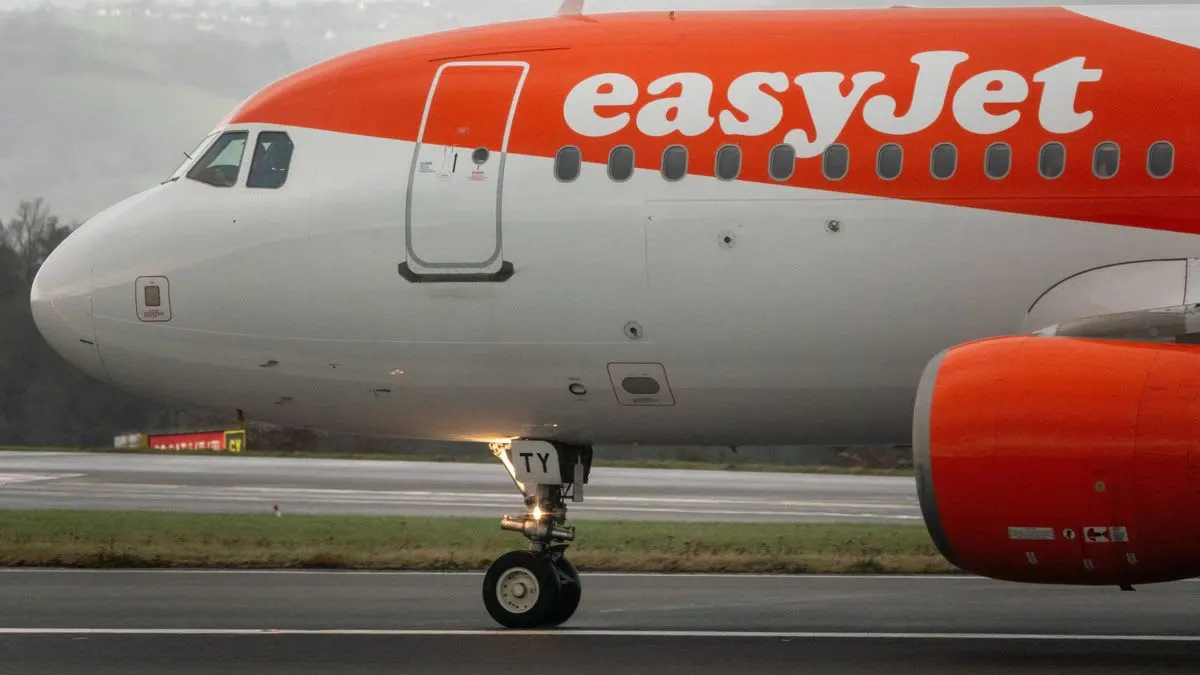
Southwest Airlines Diverts Flight Following In-Flight Security Scare

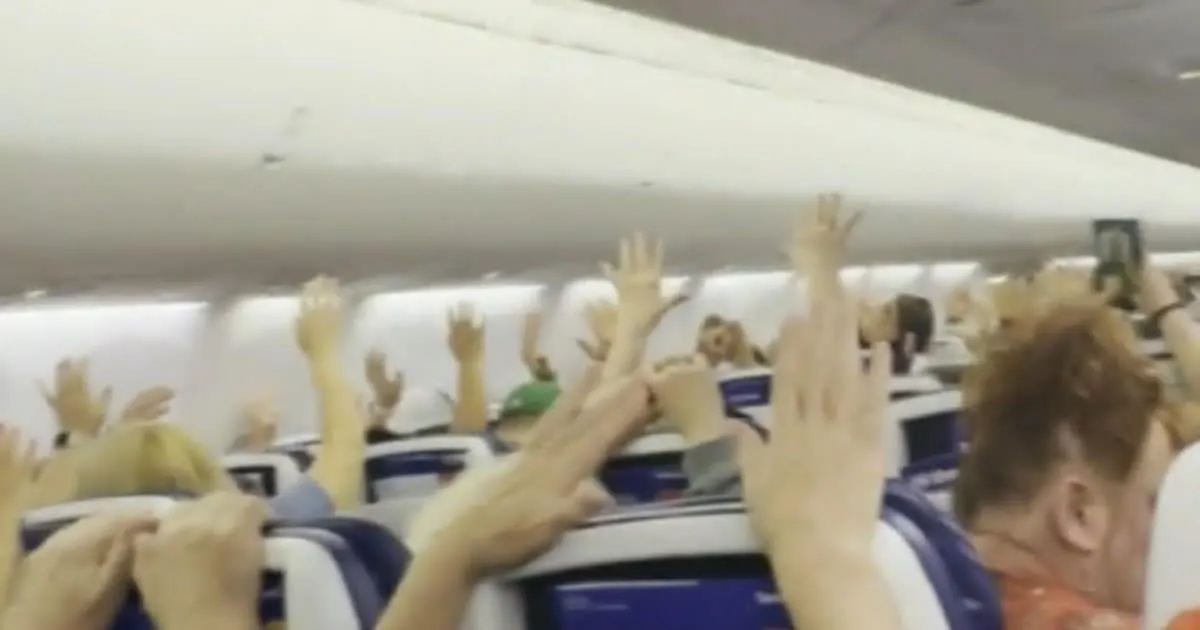
A Southwest Airlines flight diverted due to an in-flight security scare, highlighting heightened aviation security measures amid global geopolitical tensions.
Key Takeaways
- •Forced a flight diversion due to an in-flight security scare.
- •Highlights heightened US aviation security protocols amid global tensions.
- •Demonstrates the coordinated response required from airlines, ATC, and federal agencies.
- •Impacts an airline operating over 4,000 daily flights with a fleet of 803 aircraft.
A Southwest Airlines flight was forced to divert on Friday night following an in-flight security incident, an event that underscores the heightened state of alert for U.S. carriers. The diversion highlights the aviation industry's stringent response protocols, which are frequently tested by security concerns stemming from global geopolitical tensions.
The incident triggers a complex, pre-planned response involving the flight crew, airline operations, and federal authorities. For passengers, such an event is disruptive, but for the industry, it is a critical test of the security layers implemented since the establishment of the Transportation Security Administration (TSA). The decision to divert is never taken lightly, involving a careful risk assessment by the pilots in coordination with ground control to ensure the safety of everyone on board.
Incident Response and Protocol
When a potential security threat emerges in-flight, airline crews follow specific procedures developed in coordination with regulatory bodies. The pilots communicate the situation to Air Traffic Control (ATC), which then works to clear a flight path to the nearest suitable airport. Upon landing, diverted aircraft are typically directed to an isolated area of the airfield where law enforcement and TSA officials can meet the plane.
This multi-agency response is a cornerstone of the Aviation and Transportation Security Act, which provides the legal framework for the TSA's authority. The Federal Aviation Administration (FAA), which governs flight operations, works in tandem with the TSA to manage the airspace and operational safety aspects of the diversion. The investigation into the specific cause of the scare would be handled by federal law enforcement, with the National Transportation Safety Board (NTSB) potentially involved if the incident involves an accident or serious safety breach.
Southwest's Operational Footprint
An operational disruption for Southwest Airlines (SWA) has significant network effects due to the carrier's scale. According to its June 2025 corporate fact sheet, Southwest employs more than 72,000 people and operates more than 4,000 flights a day during peak travel seasons. The airline serves 117 airports across 11 countries.
The airline's fleet consists exclusively of Boeing 737 aircraft, with 803 jets in service as of December 2025. This single-fleet model creates efficiency but also means that taking one aircraft out of service for an investigation can have cascading impacts on schedules. In 2024, the airline carried over 140 million revenue passengers, making it a critical component of the U.S. transportation infrastructure. Any security incident involving a carrier of this size receives immediate and thorough attention from regulators.
Geopolitical Tensions and Aviation Security
The broader context for such incidents is a global environment of heightened security. Ongoing geopolitical tensions, particularly in regions like the Middle East, have led to enhanced security protocols and dynamic airspace management worldwide. The TSA often issues Security Directives (SDs) that mandate new screening procedures or operational restrictions for airlines in response to specific threats.
These industry trends place a constant pressure on airlines to adapt. Beyond physical security, carriers are also contending with emerging threats like GPS jamming and spoofing, which have reportedly affected thousands of flights near conflict zones. This environment requires constant vigilance and robust contingency planning. Airlines must balance operational demands with an ever-evolving security landscape, where a threat anywhere can influence security measures everywhere, including on domestic U.S. flights. These established aviation security frameworks are designed to manage such threats systematically.
Why This Matters
This incident serves as a reminder of the direct link between global events and domestic airline operations. For an industry built on precision and safety, any deviation from the norm triggers a comprehensive and multi-layered response. It demonstrates that the security protocols established over the past two decades are an integral, and active, part of daily flight operations, ensuring that potential threats are managed decisively to protect passengers and crew.
For in-depth airline coverage and commercial aviation news, omniflights.com delivers timely industry insights. For detailed airline coverage, route changes, and fleet moves, explore the Airlines section at omniflights.com/airlines.

Written by Ujjwal Sukhwani
Aviation News Editor & Industry Analyst delivering clear coverage for a worldwide audience. Covers flight operations, safety regulations, and market trends with expert analysis.
Visit ProfileYou Might Also Like
Israel Bans United Airlines Pilot Over Pro-Iran Posts

Attack on Saudi King Fahd International Airport
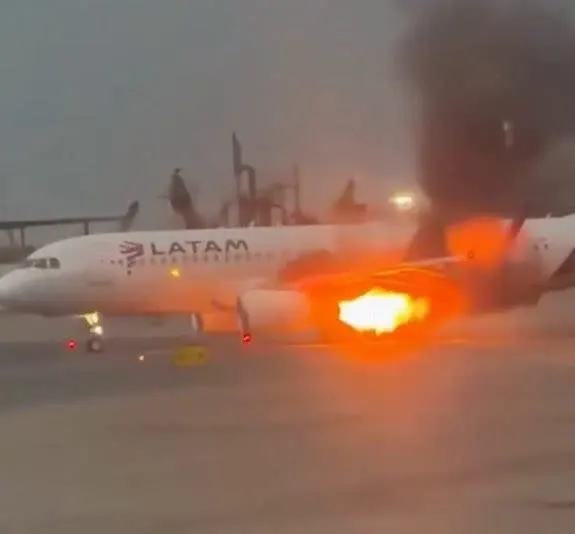
LATAM Airlines A320 Engine Fire During Takeoff in Peru
Riyadh Airport Limits Traffic Following Houthi Attacks
FAA Mandates Fuel Valve Inspections for A330 and A340