Solomon Airlines Restructures Fleet, Cuts Vanuatu Flights

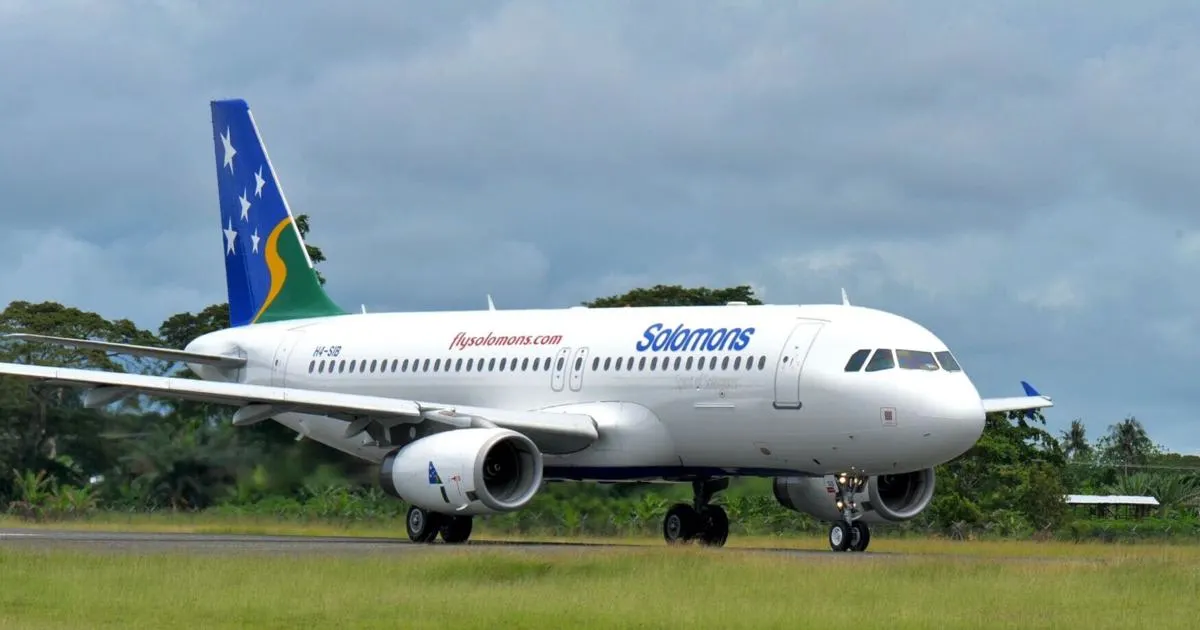
Solomon Airlines will reduce international Vanuatu services and retire an Airbus A320-200 by May 2027 to navigate rising fuel costs and market softness.
Key Takeaways
- •Solomon Airlines will retire its second Airbus A320-200 in May 2027.
- •Vanuatu-Christchurch service will be suspended starting November 2026.
- •The airline will increase domestic capacity with new Twin Otter aircraft.
- •Rising fuel costs prompted the international fleet reduction strategy.
Fleet Restructuring and International Service Cuts
Solomon Airlines is initiating a significant Solomon Airlines fleet restructuring that will see the carrier reduce its international service footprint involving Vanuatu. The national carrier of the Solomon Islands announced on August 31, 2026, that its second Airbus A320-200 (registration H4-SIB) will be formally withdrawn from service in February 2027, with the lease concluding in May 2027. The Solomon Islands national carrier announced on August 31 that Airbus A320-200 H4-SIB will be formally withdrawn from service in February 2027, with its current lease ending in May.
This move marks a notable Airbus A320 retirement as the airline pivots toward a more sustainable operational model. For travellers in the region, the adjustment will result in reduced flight frequencies between Vanuatu and Auckland. Furthermore, the airline confirmed that its Vanuatu-Christchurch service will be suspended effective November 2026. These Vanuatu flight reductions are designed to mitigate the impact of external economic pressures currently affecting regional aviation.
The Drivers Behind the Capacity Shift
Solomon Airlines Chief Executive Officer (CEO) Matt Findlay described the decision as a disciplined response to persistent industry challenges. According to the airline, the decision to operate with one fewer international aircraft is driven by elevated global fuel costs and softer forecast market conditions in Australia and New Zealand. The airline is also managing structural repairs on H4-SIB following recent damage, though it is working with insurers to return the aircraft to service for the remainder of its lease term.
This strategic pivot follows the 2024 voluntary liquidation of Air Vanuatu, an event that previously destabilized regional connectivity and prompted Solomon Airlines to expand its network into the New Zealand market. The current fleet reduction reflects a cautious approach to capacity management, contrasting with the rapid expansion seen in the immediate aftermath of the Air Vanuatu collapse. By consolidating its international presence, the airline aims to insulate its balance sheet from the volatility currently impacting regional carriers.
Strengthening Domestic Connectivity
While international capacity is set to decrease, the airline is prioritizing its domestic network within the Solomon Islands. The carrier intends to progress the addition of Twin Otter aircraft over the next 12 to 24 months to bolster local connectivity. Additionally, the airline is working to expedite the return of its 32-seat De Havilland Canada Dash 8 domestic aircraft, which is currently offshore for scheduled maintenance. CEO Findlay emphasized that improving domestic air services remains a priority for the airline, particularly regarding its role in supporting essential transport and tourism connectivity across the archipelago.
Operational Impacts and Passenger Support
The airline has committed to honoring all existing bookings. Affected passengers will be contacted directly to arrange the best available alternative travel options. Revised schedules will be issued to travel agents and industry partners as new operating arrangements are finalized. The airline’s focus remains on maintaining service reliability while navigating the financial constraints imposed by the global fuel crisis and shifts in regional travel demand.
Why This Matters for Pacific Aviation
This development signals the ongoing consolidation phase for Pacific regional airlines as they grapple with high operating costs and unpredictable demand. For the Vanuatu Tourism Sector, the reduction in direct flight frequencies from Auckland and the suspension of the Christchurch route represent a significant constraint on tourist arrivals from New Zealand. The shift underscores the delicate balance regional carriers must maintain between providing essential connectivity and ensuring the long-term financial viability of their operations in a high-cost environment.
Frequently Asked Questions
- When will Solomon Airlines retire its Airbus A320-200 aircraft?
- Solomon Airlines will formally withdraw its second Airbus A320-200, registered as H4-SIB, from service in February 2027, with the lease officially concluding in May 2027.
- How will the fleet restructuring affect Solomon Airlines' international routes?
- The restructuring will lead to reduced flight frequencies between Vanuatu and Auckland, and the total suspension of the Vanuatu to Christchurch service beginning in November 2026.
For in-depth airline coverage and commercial aviation news, omniflights.com delivers timely industry insights. Discover how innovation is shaping aviation through aircraft systems, avionics, and digital tools at omniflights.com/technology.

Written by Ujjwal Sukhwani
Aviation News Editor & Industry Analyst delivering clear coverage for a worldwide audience. Covers flight operations, safety regulations, and market trends with expert analysis.
Visit ProfileYou Might Also Like

Lufthansa A350-1000 to Debut on Munich-Haneda Route
Cathay Pacific Weighs Widebody Fleet Expansion Plans
American Airlines Drops 3 Routes Amid Network Optimization
JAL Orders 16 Embraer E190-E2 Jets for Regional Fleet
Volaris-Viva Merger Expected to Gain CNA Approval