JAL Orders 16 Embraer E190-E2 Jets for Regional Fleet

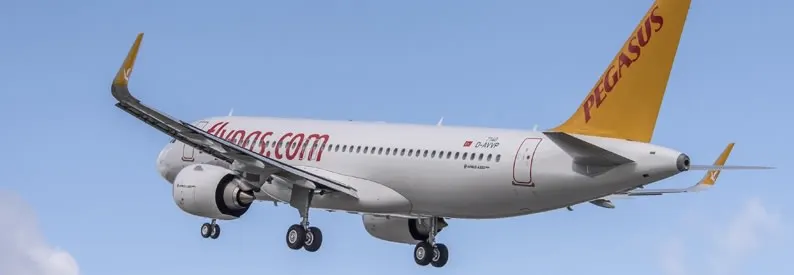
Japan Airlines finalized a firm order for 16 Embraer E190-E2 aircraft, plus 10 options, to modernize J-Air's regional fleet starting in fiscal year 2029.
Key Takeaways
- •JAL ordered 16 firm Embraer E190-E2 jets with 10 additional options.
- •Deliveries to J-Air are scheduled to begin in fiscal year 2029.
- •New jets will replace J-Air's current fleet of 32 E-Jets.
- •Total firm E2 commitments from Japanese operators reach 39 aircraft.
Japan Airlines (JAL) has officially finalized a firm order for 16 Embraer E190-E2 aircraft, with an additional 10 options, to modernize the regional operations of its subsidiary, J-Air Co., Ltd. (J-AIR). The move represents a significant commitment to the Japan Airlines E190-E2 order program, as the carrier moves to replace its aging regional assets with more efficient next-generation technology. Deliveries of the new aircraft are scheduled to commence in fiscal year 2029.
J-Air Fleet Renewal Strategy
J-Air currently operates a regional fleet of 32 first-generation E-Jets, consisting of 18 E170s and 14 E190s. The transition to the E190-E2 family is a central component of the J-Air fleet renewal strategy, aimed at mitigating structural pressures within the Japanese domestic market. These pressures include long-term demographic decline, shifts in business travel patterns, and rising operating costs driven by inflation. By selecting the Embraer E2 Japan platform, the airline group expects to achieve substantial improvements in fuel efficiency and operational economics across its domestic network. This investment aligns with the JAL Group Management Vision 2035, which emphasizes the role of domestic networks as vital social infrastructure.
"In the future society envisioned under the ‘JAL Group Management Vision 2035,’ the domestic network serves as vital social infrastructure supporting local economies and everyday life across Japan," said Mitsuko Tottori, President and Group Chief Executive Officer of Japan Airlines. "Through the introduction of this aircraft, we will maintain and develop a sustainable air network for the next generation, contributing to the future of Japan."
Competitive Landscape and Market Impact
This order solidifies the Embraer E2 family's position in the Japanese market, with total firm commitments from domestic operators now reaching 39 aircraft. This follows a trend set in September 2026, when ANA Holdings formalized an agreement for 8 additional E190-E2s, bringing its firm order total to 23. Both dominant Japanese airline groups have now selected the E2 family over the competing Airbus A220 to standardize their regional operations.
For JAL regional aircraft operations, the selection of the E190-E2, powered by Pratt & Whitney (P&W) PW1900G Geared Turbofan (GTF) engines, expands the operator base for this engine architecture in the Asia-Pacific region. The aircraft must maintain type certification from the Japan Civil Aviation Bureau (JCAB) to be integrated into J-Air's flight schedules. The introduction of these aircraft is expected to provide a long-term solution for regional connectivity, ensuring that smaller airports remain accessible despite ongoing economic headwinds.
E190-E2 vs First-Generation E190
The transition introduces significant performance upgrades for J-Air's operational capabilities. The following table highlights key differences between the legacy and incoming aircraft types.
| Metric | E190-E2 | E190 (Current) |
|---|---|---|
| Engine | Pratt & Whitney PW1900G GTF | GE CF34-10E |
| Max Range | 2,950 nm (5,463 km) | ~2,400 nm |
| Capacity | 97–114 seats | 95 seats |
Delivery Timeline and Integration
JAL and Embraer have confirmed that the first E190-E2 delivery to J-Air is expected in fiscal year 2029. This timeline allows the airline to phase out its older E170 and E190 units systematically. The integration process will be closely monitored by the JCAB to ensure compliance with existing safety and operational standards for regional aviation in Japan. This methodical replacement cycle is designed to minimize disruptions to existing flight schedules while maximizing the fuel efficiency gains of the new fleet.
Why This Matters for Regional Connectivity
The order confirms that Japan's major carriers are prioritizing high-efficiency regional jets to maintain service levels in an era of demographic and economic headwinds. By investing in the E2 platform, JAL secures a long-term solution for its domestic social infrastructure, ensuring that connectivity to smaller regional airports remains viable. For the industry, the move signals a continued preference for specialized regional aircraft over larger narrowbody alternatives in the highly slot-constrained and competitive Japanese domestic market.
Frequently Asked Questions
- What is the delivery timeline for J-Air's new E190-E2 aircraft?
- Japan Airlines and Embraer have confirmed that deliveries of the E190-E2 aircraft to J-Air are scheduled to begin in fiscal year 2029.
- How many aircraft are included in the JAL order for J-Air?
- Japan Airlines finalized a firm order for 16 Embraer E190-E2 aircraft, with 10 additional options, to modernize the regional fleet operated by its subsidiary, J-Air.
Access up-to-date commercial aviation news and airline industry developments via omniflights.com. Track policy changes, airspace rules, and global aviation governance in the Regulatory category at omniflights.com/regulatory.

Written by Ujjwal Sukhwani
Aviation News Editor & Industry Analyst delivering clear coverage for a worldwide audience. Covers flight operations, safety regulations, and market trends with expert analysis.
Visit ProfileYou Might Also Like
Volaris-Viva Merger Expected to Gain CNA Approval
Starlux Airlines Confirms Sydney to Taipei Flights for 2027
British Airways Retrofits A380 with 106 Club Suite Seats

EasyJet Cuts 700k Winter Seats as Fuel Costs Climb
PIA to Lease Two Norse Atlantic 787-9s for UK Routes