Volaris-Viva Merger Expected to Gain CNA Approval

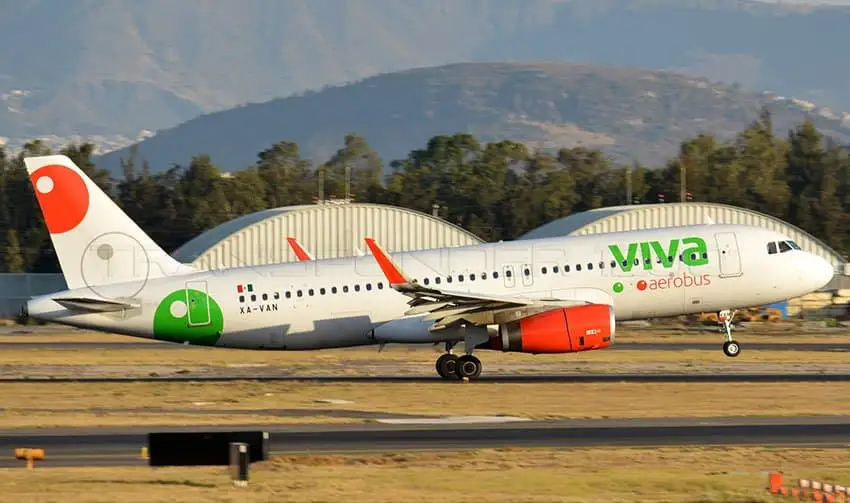
Mexico’s antitrust authority is expected to approve the Volaris-Viva merger by year-end, creating a carrier controlling 75% of domestic air traffic.
Key Takeaways
- •CNA expected to approve Volaris-Viva merger by end of 2026.
- •New entity Grupo Más Vuelos will control 75% of domestic air traffic.
- •Regulators mandate fare caps and route preservation to ensure competition.
- •Volaris reported a US $127 million net loss in Q2 2026.
Mexico’s antitrust regulator, the Comisión Nacional Antimonopolio (CNA), is expected to approve the unification of Volaris and Viva (formerly Viva Aerobus) before the end of 2026. This move will create a new aviation conglomerate, Grupo Más Vuelos, which is projected to control approximately 75% of Mexico’s domestic air travel. The Volaris-Viva merger and the broader Mexico aviation antitrust landscape remain at the center of industry scrutiny as regulators finalize operational conditions for the new entity.
The Path to Consolidation
Reporting from six sources familiar with the case suggests that the CNA will grant approval for the transaction, provided the new company adheres to strict benchmarks. These conditions reportedly include mandates to keep airfares low, avoid widespread layoffs, and preserve existing route networks. Critics have raised significant concerns regarding market competition, noting that the two airlines currently operate 55 identical routes. The consolidation of these assets into a single corporate entity has prompted debate over the potential for monopolistic pricing and reduced choice for passengers.
Executives from both carriers have characterized the deal as a “merger of equals.” In a statement, they noted that the company will “strive to ensure consumers recognize the individual service models with which they have become familiar.” Despite these assurances, the federal government has reportedly sought to influence the vetting process, as both airlines serve as primary operators at the state-run Aeropuerto Internacional Felipe Ángeles (AIFA).
Financial Pressures and Market Dynamics
Industry analysts indicate the merger is a defensive response to persistent financial challenges following the COVID-19 pandemic. Volaris reported a net loss of US $127 million in the second quarter of 2026. Similarly, Viva has faced significant fiscal headwinds, with reports indicating the carrier accumulated US $133 million in losses during the first half of 2026. According to the business consultancy Antitrust Intelligence, the merger aims to build a competitive advantage through cost reductions, fleet efficiencies, and balance sheet recovery.
Historical Precedents and Regulatory Oversight
Latin American aviation consolidation has historically faced stringent regulatory scrutiny. In 2022 and 2023, the proposed merger between Avianca and Viva Air in Colombia faced initial rejection. While the regulator eventually offered conditional approval, Avianca withdrew from the deal due to the severity of the requirements, such as slot divestitures and fare caps, which ultimately contributed to Viva Air’s collapse. The current CNA review for Grupo Más Vuelos appears to reflect a similar concern for preserving market competition in the face of rapid consolidation.
Stakeholder Impact and Operational Outlook
For Mexican domestic air passengers, the primary concern remains the highly concentrated market. While the regulator is expected to mandate fare caps to protect consumers, the concentration of 75% of domestic traffic under one operator presents a significant shift in market power. For employees, the CNA conditions are expected to provide a buffer against mass layoffs, though the long-term operational impact on AIFA—where both airlines are primary tenants—remains to be seen as the new group streamlines its hub routing dynamics.
What Comes Next: CNA Approval Timeline
The formal approval of the Volaris-Viva merger is expected by the end of 2026. Following this milestone, the industry will monitor how Grupo Más Vuelos integrates its fleet and route networks while complying with the CNA's mandate to maintain low-cost pricing. The transition will serve as a test case for how Mexican regulators manage the balance between airline financial solvency and the preservation of competitive market access. As the integration proceeds, the market will assess whether the promised cost efficiencies can materialize without degrading the low-cost service quality that has defined both carriers' growth over the past decade.
Why This Matters for Mexican Aviation
This consolidation represents a pivotal shift in the regional aviation landscape, signaling a move toward greater market concentration in response to prolonged financial instability. For industry participants, the outcome of the CNA's conditional approval will set a precedent for how future airline integrations are managed across Latin America. The ability of Grupo Más Vuelos to maintain its low-cost mandate while navigating these regulatory requirements will determine the long-term viability of the domestic market's competitive structure.
Frequently Asked Questions
- What is the expected timeline for the Volaris-Viva merger approval?
- The Comisión Nacional Antimonopolio is expected to approve the merger between Volaris and Viva by the end of 2026, subject to the airline's compliance with operational benchmarks.
- How much of the Mexican domestic market will the new conglomerate control?
- The combined entity, to be called Grupo Más Vuelos, is expected to control approximately 75% of Mexico’s domestic air traffic, according to reports citing antitrust analysis.
omniflights.com provides comprehensive commercial aviation news covering airlines, aircraft, and airports. Stay informed on aviation incidents, investigations, and best practices in the Safety category at omniflights.com/safety.

Written by Ujjwal Sukhwani
Aviation News Editor & Industry Analyst delivering clear coverage for a worldwide audience. Covers flight operations, safety regulations, and market trends with expert analysis.
Visit ProfileYou Might Also Like

Starlux Airlines Confirms Sydney to Taipei Flights for 2027
British Airways Retrofits A380 with 106 Club Suite Seats

EasyJet Cuts 700k Winter Seats as Fuel Costs Climb

PIA to Lease Two Norse Atlantic 787-9s for UK Routes
Kalitta Air Evaluates Airbus A350F for Cargo Modernization
