Skydio CEO Adam Bry on US Autonomous Drone Growth

Co-Founder & CEOAviation News Editor delivering trusted coverage across the global aviation industry.

Skydio CEO Adam Bry discusses the expansion of US autonomous drone manufacturing and the strategic shift toward defense and public safety applications.
Key Takeaways
- •Skydio raised $110 million, reaching a $4.4 billion valuation in 2026.
- •US manufacturers are exiting the consumer market to focus on defense contracts.
- •Over 1,200 public safety agencies now utilize Drone as First Responder programs.
- •Final FAA Part 108 rules for BVLOS operations are expected by late 2026.
The Shift in US Autonomous Drone Manufacturing
As the regulatory landscape for Unmanned Aircraft Systems (UAS) undergoes a fundamental shift, Skydio has solidified its position as a leader in the domestic sector. Following a $110 million Series F funding round, the company now commands a $4.4 billion valuation. CEO Adam Bry recently addressed the industry's trajectory, emphasizing that the firm's growth is driven by high-margin enterprise and defense contracts rather than the saturated consumer market. This pivot aligns with broader industry trends, as US manufacturers increasingly prioritize US autonomous drone manufacturing over hobbyist hardware.
The Impact of the DJI Drone Import Ban
Market dynamics have been heavily influenced by the Federal Communications Commission (FCC) decision to include major Chinese manufacturers like DJI on the Covered List in late 2025. This regulatory action effectively blocks new models from obtaining equipment authorization, restricting their import and sale within the US. The move mirrors the historical precedent set by the FCC regarding Huawei and ZTE telecommunications equipment, where similar security concerns led to a mandatory rip-and-replace environment. For Skydio, this policy environment creates a significant competitive advantage, supported by a $3.5 billion pledge to expand domestic production over the next five years.
Drone as First Responder and Regulatory Evolution
The adoption of Drone as First Responder (DFR) programs is accelerating, with over 1,200 public safety agencies now utilizing autonomous, dock-based systems. These deployments rely on Beyond Visual Line of Sight (BVLOS) capabilities, which are currently undergoing a transition from a case-by-case waiver process to standardized regulation. The Federal Aviation Administration (FAA) is expected to finalize Part 108 rules by late 2026 or 2027, which will likely serve as a catalyst for widespread commercial and public sector integration of autonomous UAS technology. You can track ongoing corporate developments through the Skydio Newsroom.
Stakeholder Challenges and Supply Chain Realities
Despite the growth of US-based firms, the industry faces structural hurdles. Public safety agencies are experiencing a sharp increase in procurement costs, as domestic enterprise units often range from $10,000 to $30,000, compared to the significantly lower price points of legacy foreign consumer drones. Furthermore, supply chain vulnerabilities persist; Chinese suppliers continue to control approximately 90% of the processing for rare earth magnets essential to drone motor production. While domestic assembly is rising, these dependencies highlight the complexities of building a fully independent US supply chain.
The Privacy Debate
The rise of autonomous aerial networks has drawn scrutiny from civil rights organizations, including the American Civil Liberties Union (ACLU). Critics argue that the unchecked expansion of DFR programs could facilitate persistent, warrantless aerial surveillance. In response, Adam Bry has argued against imposing rigid red lines on drone technology, contending that US-built, AI-governed systems provide a transparent and secure alternative to ceding the global market to foreign competitors with less oversight.
What Comes Next: The FAA Part 108 Milestone
The industry is currently awaiting the publication of the final FAA Part 108 rule, which is expected to standardize BVLOS operations and reduce the current reliance on complex exemptions authorized under Section 927 of the FAA Reauthorization Act of 2024. Additionally, the sector is monitoring the FCC for a potential decision on DJI's petition for reconsideration, which could further solidify or modify the current import restrictions by late 2026.
Why This Matters for the Domestic Market
The transition of the US drone industry from consumer-focused to defense-oriented represents a significant realignment of national industrial policy. By aligning corporate growth with government procurement priorities, firms like Skydio are positioning themselves as critical infrastructure partners. For public safety agencies and defense contractors, this means a more reliable, albeit more expensive, supply of technology that is compliant with federal mandates like the National Defense Authorization Act (NDAA).
Frequently Asked Questions
- What is the impact of the FCC Covered List on the US drone market?
- The FCC's addition of companies like DJI to the Covered List prevents new foreign-made drone models from receiving equipment authorization. This effectively bans their import and sale in the US, creating a significant market shift toward domestic manufacturers.
- What are Drone as First Responder programs?
- Drone as First Responder (DFR) programs involve public safety agencies using autonomous, dock-based drones to reach emergency scenes ahead of human officers. Over 1,200 agencies in the US currently utilize this technology to improve response times.
Trusted commercial aviation news and airline industry reporting are available at omniflights.com. Discover how innovation is shaping aviation through aircraft systems, avionics, and digital tools at omniflights.com/technology.
Written by Hardik Vishwakarma
Co-Founder & Aviation News Editor leading initiatives that improve trust and visibility across the global aviation industry. Covers airlines, airports, safety, and emerging technology.
Visit ProfileYou Might Also Like
Discover more aviation news based on similar topics
Boeing Logs 15 Gross Orders Including 13 787 Dreamliners
Boeing recorded 15 gross orders in August 2026, featuring 13 widebody 787 Dreamliner commitments from undisclosed customers.
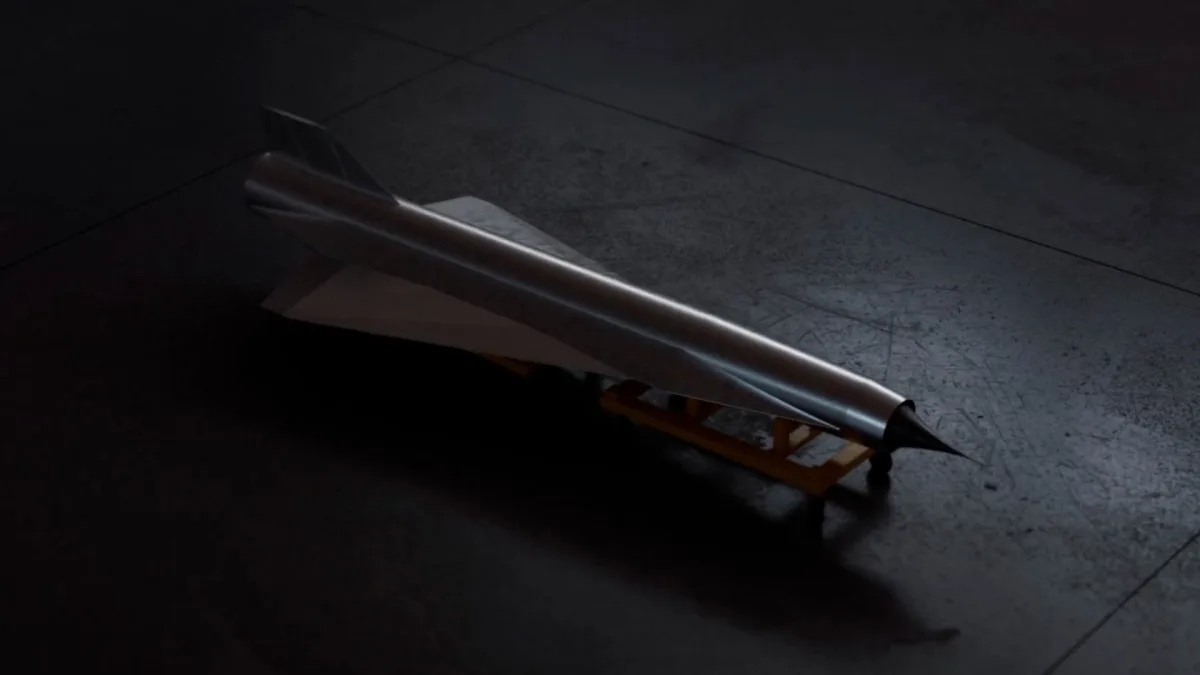
Hermeus Gets FAA Approval for Mach 1+ Drone Test Flights
The FAA authorized Hermeus to conduct six supersonic test flights of its Quarterhorse Mk 2.2 drone at White Sands through August 2027.
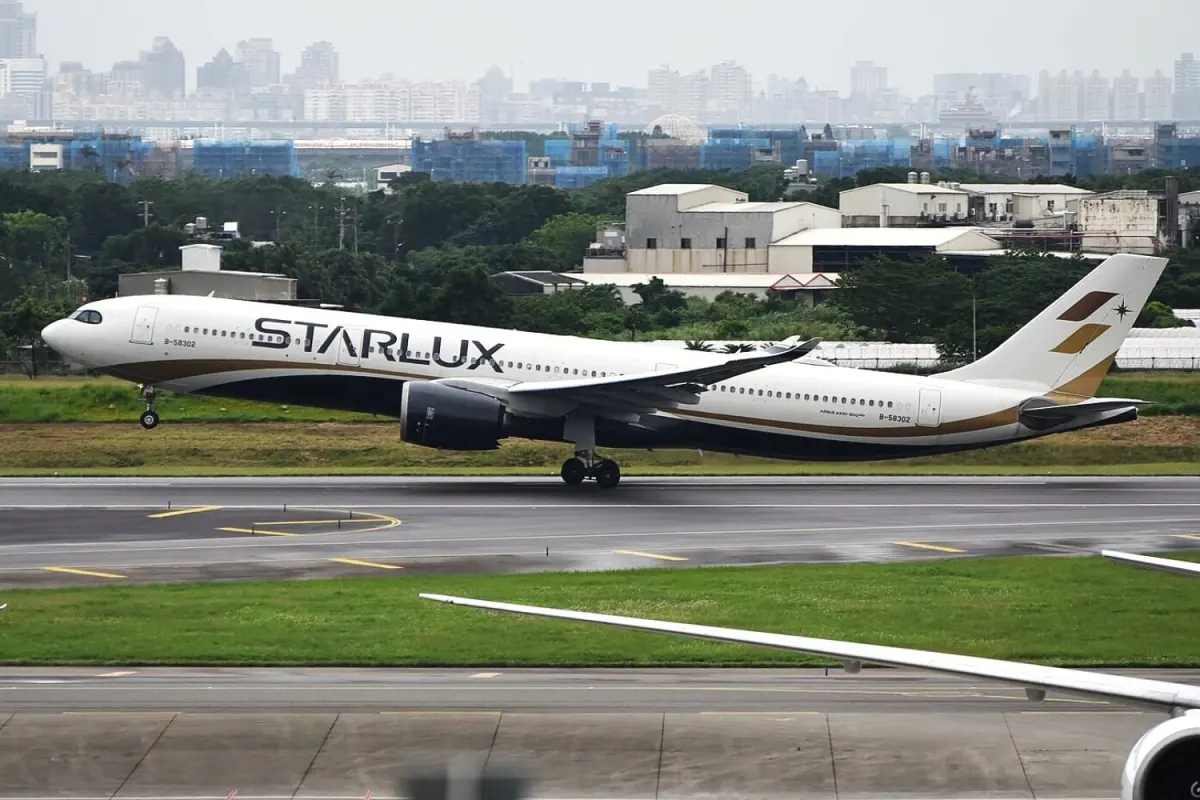
Airbus Deliveries Slow to 57, Putting 870 Target at Risk
Airbus delivered 57 aircraft in August 2026, requiring a surge to 99 monthly deliveries to meet its full-year target of 870.
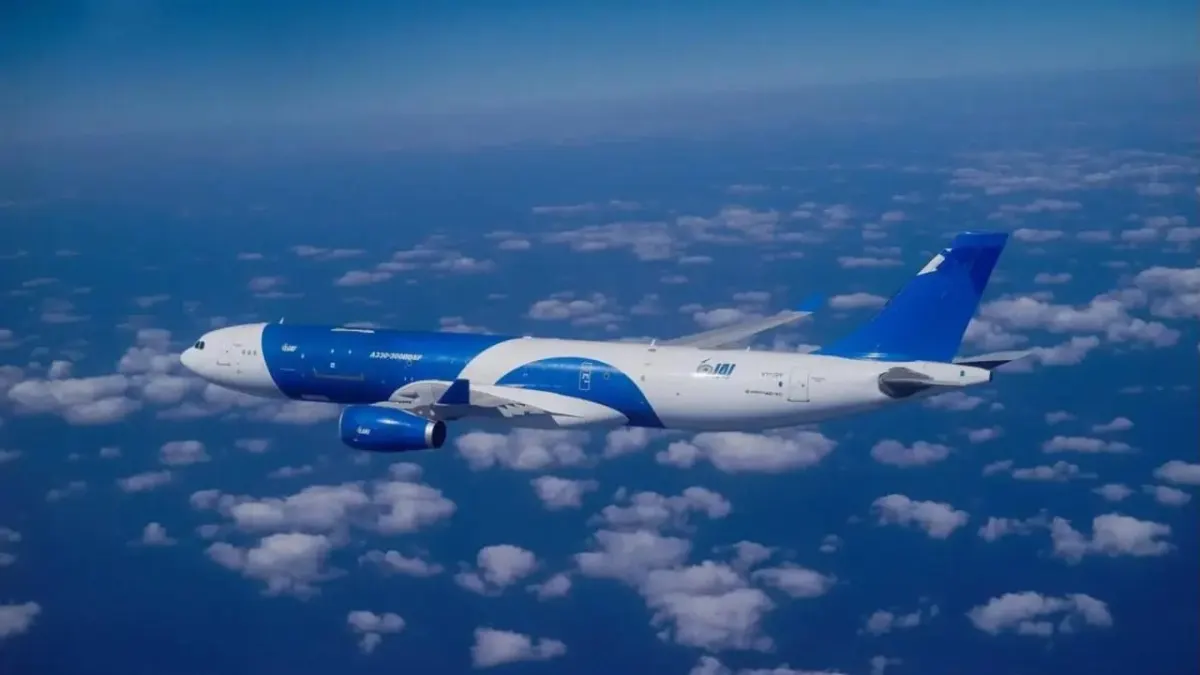
IAI Completes First Flight of A330-300BDSF Cargo Conversion
Israel Aerospace Industries successfully completed the first flight of its A330-300BDSF, an Airbus widebody converted for cargo operations.
Embraer Delivers 2,000th E-Jet to Azul Linhas Aéreas
Embraer reached a major milestone with the delivery of its 2,000th E-Jet, an E195-E2, to Brazilian operator Azul Linhas Aéreas on September 2, 2026.
Cessna Citation CJ4 Achieves 500th Delivery
Textron Aviation delivered its 500th Cessna Citation CJ4 business jet to a customer in the Philippines as the manufacturer nears Gen3 certification.