Shutdown Sparks TSA Shortages, Major Spring Break Airport Delays

Aviation News Editor & Industry AnalystAviation News Editor & Industry Analyst delivering clear coverage for a worldwide audience.
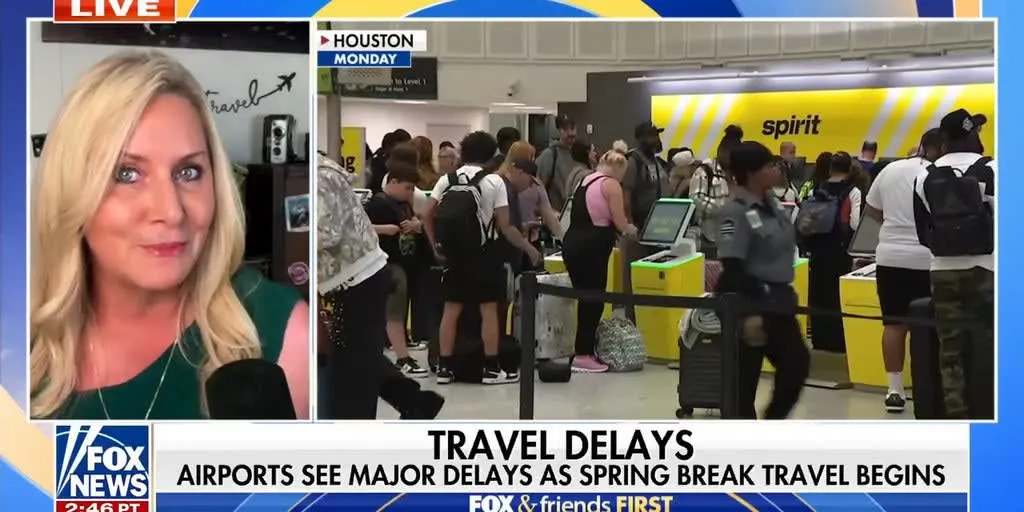
A government shutdown is causing severe TSA staffing shortages, leading to 4-5 hour airport lines and thousands of flight delays during 2026 spring break.
Key Takeaways
- •Faces severe travel disruption with security lines reaching 4-5 hours at major airports like Houston Hobby.
- •Stems from a partial government shutdown leaving 50,000 TSA agents working without pay since February 14, 2026.
- •Exceeds 5,000 daily flight delays nationwide as the system grapples with staffing shortages during peak spring break travel.
The 2026 spring break travel season is facing unprecedented disruption as a partial government shutdown cripples airport security operations nationwide. Travelers are experiencing security wait times of up to 4 to 5 hours at major hubs, a direct result of severe staffing shortages within the Transportation Security Administration (TSA). The ongoing funding lapse has created a cascade of flight delays and cancellations, impacting a travel period where over 171 million passengers are expected to fly, according to Airlines for America (A4A).
The operational chaos stems from a political impasse that began on February 14, 2026, when a partial government shutdown impacted the Department of Homeland Security (DHS), the parent agency of the TSA. This funding lapse has forced approximately 50,000 TSA officers to work without pay. As a result, airports are reporting higher-than-normal rates of unscheduled absences, significantly reducing the number of available screening lanes and personnel. The DHS issued a statement decrying the situation, noting, "These political stunts force patriotic TSA officers who protect our skies from serious threats to work without pay."
Nationwide Airport Disruptions
The impact on airport throughput has been immediate and severe. According to the Houston Airport System, security lines at William P. Hobby Airport (HOU) have stretched to between four and five hours at peak times. Similar bottlenecks are being reported at other airports, including Louis Armstrong New Orleans International Airport (MSY). The ripple effect on airline operations is significant; according to flight-tracking service FlightAware, over 5,000 flight delays were reported across the United States on March 10, 2026, alone. These delays are directly exacerbated by the inability to process passengers through security checkpoints in a timely manner.
The timing of the shutdown coincides with one of the busiest travel periods of the year. The strain on the system is immense, as airlines had planned for record passenger volumes. The current situation forces a stark contrast with typical operations, where a recommended two-hour arrival for domestic flights was standard. Now, both airlines and travel experts are advising passengers to adapt to a new, much slower reality.
Guidance for Travelers
In response to the travel chaos, experts like Colleen Kelly are urging passengers to take proactive measures. The primary recommendation is to arrive significantly earlier than usual: three to four hours before a domestic flight and four or more hours for international departures. Travelers are encouraged to check the official TSA Security Screening and Wait Times portal before heading to the airport, though real-time conditions can change rapidly.
For those traveling internationally, enrolling in the Smart Traveler Enrollment Program (STEP) is highly recommended. STEP is a free service from the U.S. Department of State that allows U.S. citizens to register their trips with the nearest U.S. Embassy or Consulate. This ensures they receive important safety information and helps the embassy contact them in an emergency.
Passengers should also be aware of their rights. Under regulations enforced by the U.S. Department of Transportation (DOT), travelers are entitled to a full refund if an airline cancels or significantly delays their flight and they choose not to travel. This federal requirement provides a crucial protection for those whose plans are irrevocably disrupted by the shutdown-related delays.
What Comes Next
The duration of the travel disruptions remains uncertain and is entirely dependent on legislative action to fund the DHS. Until Congress passes an appropriations bill and it is signed into law, TSA officers will continue to work without pay, and staffing shortages are expected to persist or worsen. The Federal Aviation Administration (FAA) continues to manage the national airspace but can do little to alleviate the security checkpoint bottlenecks that are causing ground delays. Airlines may be forced to proactively cancel more flights if the situation does not improve, further compounding the challenges for travelers.
Why This Matters
This operational crisis highlights the critical dependency of the U.S. aviation system on federal funding and stability. Beyond passenger inconvenience, the prolonged TSA staffing shortage raises concerns about security effectiveness and workforce morale. The event demonstrates how political disputes can directly translate into significant economic and logistical disruptions for the airline industry, airports, and the traveling public, undermining confidence in the reliability of air travel.
For in-depth airline coverage and commercial aviation news, omniflights.com delivers timely industry insights. Follow aviation sustainability efforts, emissions research, and green initiatives in the Environmental section at omniflights.com/environmental.
Written by Ujjwal Sukhwani
Aviation News Editor & Industry Analyst delivering clear coverage for a worldwide audience. Covers flight operations, safety regulations, and market trends with expert analysis.
Visit ProfileYou Might Also Like
Discover more aviation news based on similar topics
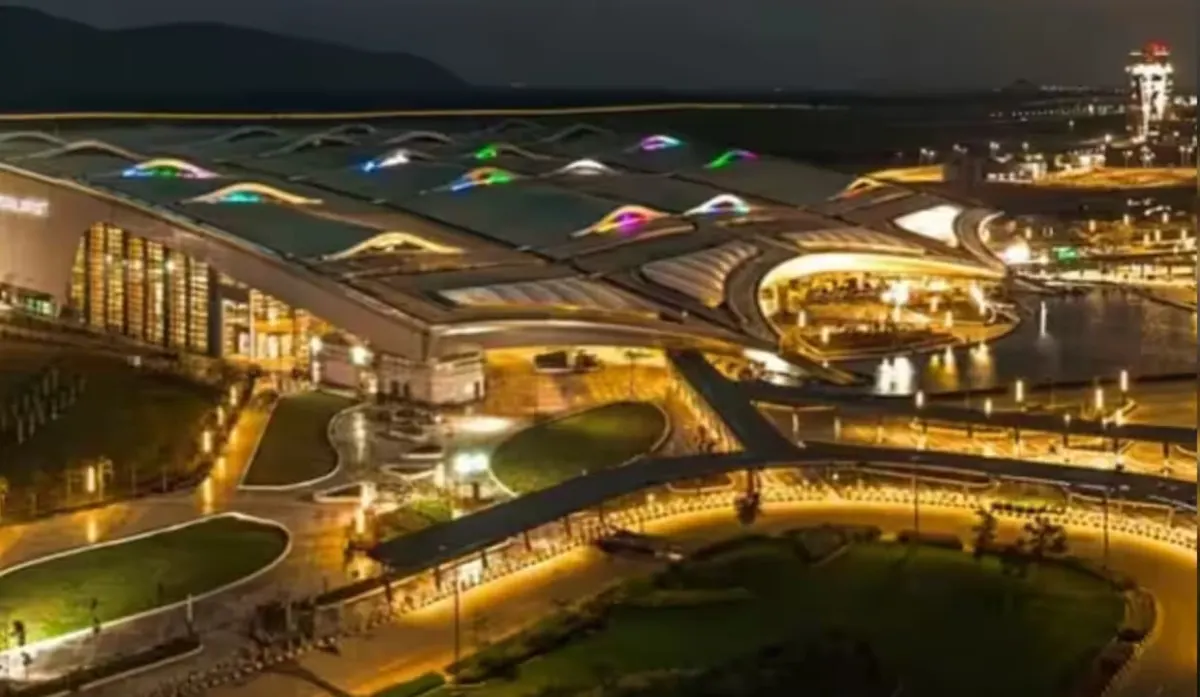
IndiGo Opens Commercial Flights at Bhogapuram
IndiGo launched the first commercial flight to the new Rs 5,700 crore Bhogapuram Airport, shifting civilian traffic from the old civil enclave.

Sydney Airport Master Plan 2045 Approved
The Australian government approved Sydney Airport's Master Plan 2045, enabling terminal integration to handle 72.6 million passengers by 2045.
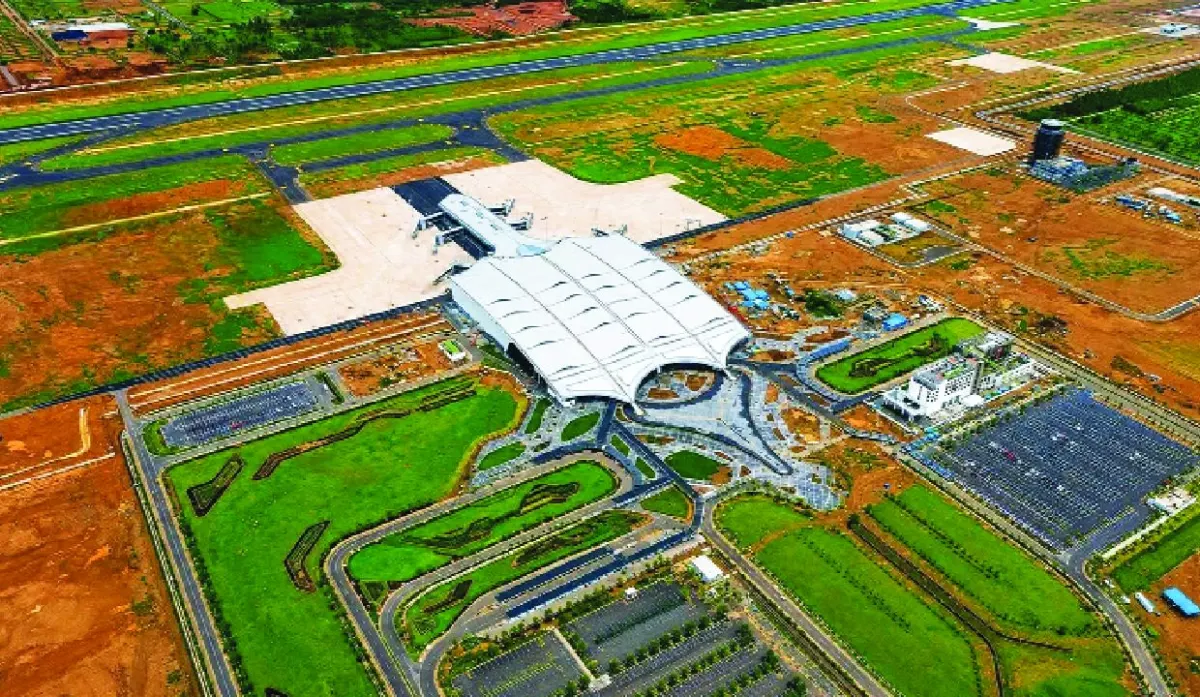
Visakhapatnam Airport Ends Commercial Flights for 30 Years
Visakhapatnam Airport ended scheduled commercial flights ahead of Bhogapuram's opening, triggering a 30-year moratorium on civil operations.
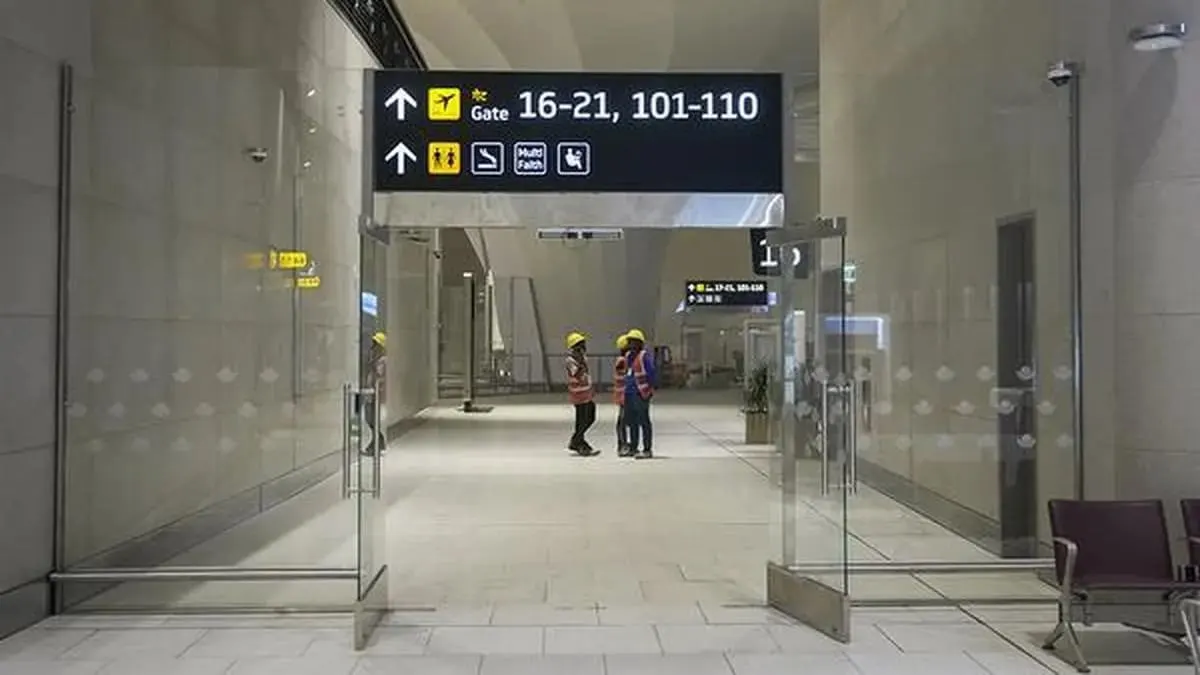
NMIA Approves 13 Airlines for Cargo Operations
NMIA has approved 13 international airlines to launch freighter flights, accelerating Mumbai's transition to a dual-airport cargo system.

Hong Kong Air Cargo Lands First Navi Mumbai Freighter
Hong Kong Air Cargo launched flights to Navi Mumbai, marking the airport's first international freighter service with 6 weekly movements.

ENAC Suspends Catania Flights Amid Mount Etna Eruption
ENAC suspended operations at Catania Airport due to a Mount Etna eruption, resulting in 700 flight cancellations and massive regional diversions.