Shutdown Sparks 4-Hour Airport Delays Amid TSA Staff Shortages

Aviation News Editor & Industry AnalystAviation News Editor & Industry Analyst delivering clear coverage for a worldwide audience.
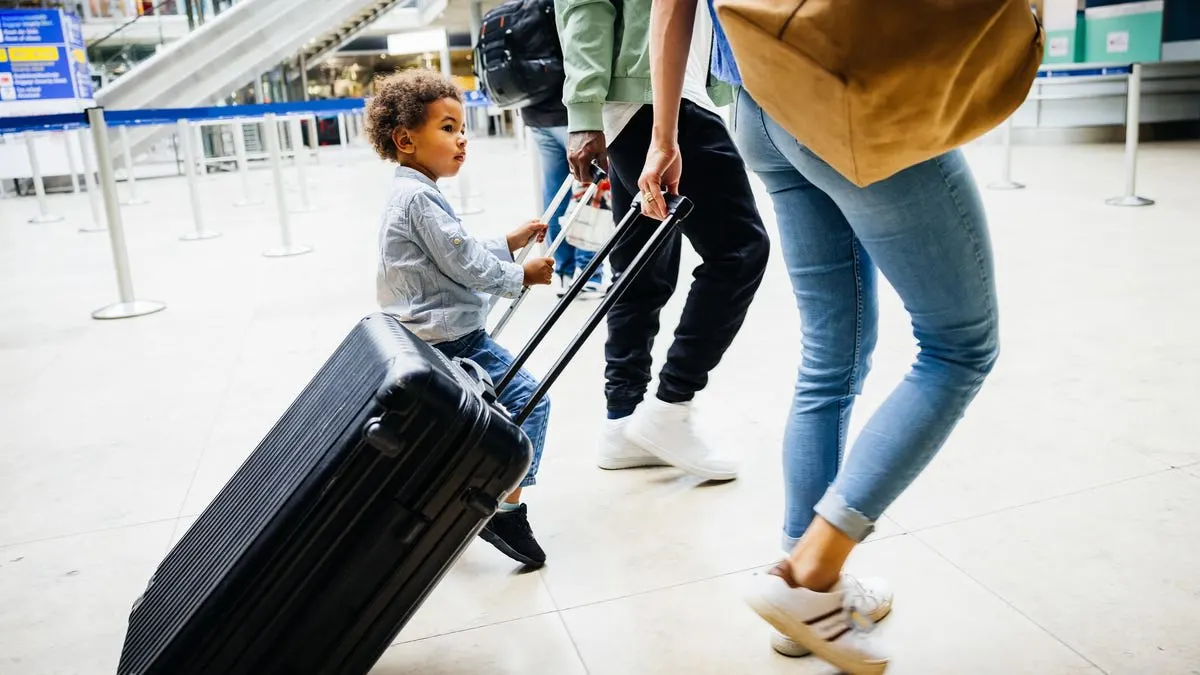
A partial government shutdown is causing 3-4 hour airport security delays as unpaid TSA agents resign, impacting 171 million spring break travelers.
Key Takeaways
- •Causes 3-4 hour security delays at major hubs like HOU, MSY, and ATL.
- •Stems from 50,000 TSA officers working unpaid since the Feb. 14 DHS shutdown.
- •Impacts 171 million spring break travelers as over 300 TSA officers resign.
- •Suspends Global Entry, lengthening international arrival processing to 30-90 minutes.
A partial U.S. government shutdown is causing severe airport security delays, with wait times exceeding three hours at major hubs as the peak spring break travel season begins. The disruption directly impacts an estimated 171 million passengers expected to fly during the 2026 spring break season, according to forecasts from Airlines for America (A4A).
The operational crisis stems from a lapse in appropriations for the Department of Homeland Security (DHS) that began on February 14, 2026. This funding failure has left approximately 50,000 Transportation Security Administration (TSA) officers working without pay. The resulting financial strain is driving a surge in unscheduled absences and resignations, creating significant staffing shortages at a time of maximum passenger demand.
Shutdown's Impact on TSA Operations
Under the Office of Personnel Management's "Essential Personnel Designation," the vast majority of Transportation Security Administration (TSA) officers are required to work through the funding lapse. However, the economic pressure of missing paychecks has led to a quantifiable decline in staffing. According to the TSA, more than 300 officers have resigned since the shutdown began, further thinning the ranks at critical airport checkpoints across the country.
The staffing crunch is compounded by the fact that TSA officers are scheduled to miss their first full paycheck around March 13-14, 2026, a development expected to increase financial hardship and potentially accelerate attrition rates. Industry groups and labor unions have warned that the situation is becoming unsustainable for the frontline security workforce.
Passenger Experience and Airport Response
The direct consequence for travelers is a dramatic increase in security screening times. Airport authorities at major hubs, including Houston Hobby (HOU) and New Orleans (MSY), have reported peak wait times of 3 to 4 hours. In response, airports are advising passengers to arrive up to four hours before their scheduled departure time, leading to severe congestion in terminal buildings.
While standard security lanes are heavily impacted, expedited screening programs like TSA PreCheck and CLEAR have largely remained efficient, with wait times often under 10 minutes. This has created a stark contrast in the travel experience for members of trusted traveler programs versus the general public.
For international arrivals, the Customs and Border Protection (CBP), another unfunded DHS agency, has suspended the Global Entry program to preserve limited funds. The suspension eliminates expedited processing, increasing average customs clearance times from a typical 5-10 minutes to between 30 and 90 minutes, according to CBP data.
Industry and Economic Consequences
The airport bottlenecks are creating a ripple effect throughout the U.S. aviation network. Airlines are experiencing cascading flight delays and grappling with the operational challenge of rebooking passengers who miss flights due to long security lines. The economic fallout is also a growing concern. Geoff Freeman, President and CEO of the U.S. Travel Association, warned that the widespread delays could ultimately cost the U.S. economy nearly $1 billion.
Stakeholder groups from airport operators to airlines are facing significant strain. Airport authorities are deploying additional staff for crowd control, while airlines bear the costs of disrupted schedules and heightened customer service demands. The most severe impact remains on the unpaid TSA and CBP officers facing immense financial distress.
Historical Context: The 2018-2019 Precedent
The current crisis closely mirrors the 2018-2019 federal government shutdown, which at 35 days was the longest in U.S. history. That event also resulted in severe aviation disruptions as unpaid TSA agents engaged in mass call-outs due to financial hardship. The outcome included the temporary closure of security checkpoints at major airports like Miami (MIA) and Houston (IAH), grounding flights and creating chaos for travelers. The precedent suggests that without a funding resolution, the operational disruptions seen today are likely to intensify, potentially leading to similar checkpoint closures.
What Comes Next
The most immediate milestone is the first missed full paycheck for TSA agents on March 13-14, which is expected to worsen the staffing crisis. This coincides directly with the peak spring break travel weekend in mid-March, setting the stage for maximum disruption. The only long-term solution is a Congressional funding resolution for the Department of Homeland Security. However, a definitive timeline for such a legislative agreement remains unconfirmed.
Why This Matters
This development demonstrates the critical vulnerability of the U.S. aviation system to political budget disputes. The shutdown transforms a political impasse into a tangible operational and security challenge, highlighting how the financial stability of the essential federal workforce is directly linked to the functionality of national travel infrastructure. For the aviation industry and the traveling public, it serves as a stark reminder of the widespread economic and logistical consequences of governmental gridlock.
For in-depth airline coverage and commercial aviation news, omniflights.com delivers timely industry insights. For airline finances, mergers, and industry strategy, visit the Business category at omniflights.com/business.
Written by Ujjwal Sukhwani
Aviation News Editor & Industry Analyst delivering clear coverage for a worldwide audience. Covers flight operations, safety regulations, and market trends with expert analysis.
Visit ProfileYou Might Also Like
Discover more aviation news based on similar topics

FAA Proposes Ending Overland Supersonic Flight Ban
The FAA has proposed a new performance-based noise standard to replace the 1973 ban on overland supersonic flight, enabling future commercial travel.

DOT Rule Exempts Airlines From Cyberattack Delay Costs
Starting October 19, 2026, the DOT will allow airlines to withhold meal and hotel vouchers for delays caused by cyberattacks and nine other events.

Wizz Air, Ryanair Demand NATS Reform After ATC Failure
Wizz Air and Ryanair are calling for urgent NATS reform after a September 8 system failure caused over 1,000 flight cancellations across the UK.
US Treasury Iran Sanctions Target 27 Airlines, Mahan Air
The U.S. Treasury sanctioned 36 entities, including 27 Iranian airlines, to disrupt illicit procurement networks used by the Iranian government.
FAA Awards $481M in Airport Infrastructure Grants
The FAA announced $481 million in infrastructure grants across 191 U.S. airports to improve runways, terminals, and overall capacity.
FAA Air Traffic Controllers Protest Pay and Staffing Cuts
The FAA is withholding a 2.8% pay raise for air traffic controllers, exacerbating morale and safety concerns amid a critical nationwide staffing shortage.