Severe Storm Delays CM Banerjee's Flight at Kolkata Airport

Co-Founder & CEOAviation News Editor delivering trusted coverage across the global aviation industry.

A flight carrying WB CM Mamata Banerjee held for over an hour before landing at Kolkata airport due to a severe storm that suspended airport operations.
Key Takeaways
- •Held for over an hour after a severe thunderstorm suspended operations at Kolkata's CCU airport.
- •Disrupted airport traffic, delaying a total of 10 flights and forcing one SpiceJet diversion.
- •Adhered to DGCA adverse weather guidelines, prioritizing safety over VIP flight schedule.
- •Echoes a 2022 turbulence incident involving the same official, highlighting regional weather risks.
A private aircraft carrying West Bengal Chief Minister Mamata Banerjee was forced to enter a holding pattern for over an hour before landing safely at Netaji Subhas Chandra Bose International Airport (CCU) in Kolkata. The delay on March 26, 2026, was caused by a severe localized thunderstorm, known as a Nor'wester or Kalbaishakhi, which temporarily halted all flight operations at the airport.
The incident underscores the non-negotiable priority of safety protocols over schedule adherence, even for VIP movements. The storm's intensity led to a 20-minute complete suspension of airport operations, affecting a total of 10 flights, including six departures and four arrivals. According to airport officials, one SpiceJet flight was diverted to Varanasi. The disruption highlights the significant operational challenges posed by the region's increasingly frequent and severe pre-monsoon convective weather events.
Flight and Operational Details
The aircraft, a Dassault Falcon 2000LXS 12-seater jet, departed from Kazi Nazrul Islam Airport (VEDG) in Andal at 3:39 PM. It was scheduled to arrive at Kolkata's CCU airport between 4:00 PM and 4:07 PM but ultimately landed at 5:19 PM. As the aircraft approached Kolkata, Air Traffic Control (ATC) denied landing clearance due to the hazardous weather conditions, which included strong winds and heavy rain.
Calcutta airport officials confirmed that the pilot was offered the option to divert to Ranchi or return to the departure airport in Andal. The pilot elected to enter a holding pattern near Behala, awaiting improved conditions. This decision aligns with guidelines from India's aviation regulator, the Directorate General of Civil Aviation (DGCA), specifically its Operations Circular on Adverse Weather Operations. This regulation mandates that safety must take precedence over schedules, empowering pilots to hold or divert in the presence of severe turbulence or thunderstorms.
Historical Context and VIP Protocols
This is not the first time a flight carrying Chief Minister Banerjee has encountered severe weather-related disruption near Kolkata. On March 4, 2022, the same aircraft type, a chartered Falcon 2000, experienced a significant altitude drop of approximately 6,000 feet due to extreme turbulence. That incident prompted investigations by both the DGCA and the state government.
The recurrence of such events highlights the inherent risks associated with aviation in a region prone to sudden, violent weather phenomena. While VIP flights are typically given priority for landing by ATC once conditions are safe, the March 26 incident serves as a clear example that adverse weather protocols are absolute. The primary responsibility of ATC and the flight crew is to ensure the safety of the aircraft and its occupants, which required delaying the landing until the storm cell had passed and the airport, managed by the Airports Authority of India, was deemed safe for operations.
Technical Analysis
The decision to hold rather than divert reflects a complex risk-management calculation involving fuel reserves, alternate airport availability, and weather forecasting. The Dassault Falcon 2000LXS has sufficient range and endurance to safely hold for extended periods. However, the incident demonstrates a broader trend impacting Eastern India's aviation network. The increasing frequency and intensity of Kalbaishakhi storms pose a growing threat to operational reliability during the pre-monsoon season.
This pattern forces airlines and airport operators to build greater resilience into their scheduling and contingency planning. The 2022 turbulence incident and this 2026 holding event, both involving the same high-profile passenger, underscore that these are not isolated occurrences but rather a systemic operational challenge. The DGCA's regulatory framework provides the necessary authority for crews to make conservative safety decisions, but the economic and logistical impacts of delays and diversions on the wider airport ecosystem remain significant.
Why This Matters
This flight delay is more than a minor inconvenience; it is a practical demonstration of aviation safety principles in action. The event reaffirms that established safety protocols during adverse weather supersede all other considerations, including VIP status. For the broader aviation industry, it serves as a critical reminder of the operational and logistical disruptions caused by severe, localized weather and reinforces the importance of conservative decision-making by flight crews and air traffic controllers.
omniflights.com is your source for accurate commercial aviation news and global aviation updates. Discover how innovation is shaping aviation through aircraft systems, avionics, and digital tools at omniflights.com/technology.
Written by Hardik Vishwakarma
Co-Founder & Aviation News Editor leading initiatives that improve trust and visibility across the global aviation industry. Covers airlines, airports, safety, and emerging technology.
Visit ProfileYou Might Also Like
Discover more aviation news based on similar topics

Families Demand DCA Midair Collision Safety Reforms
Families of 67 victims from the 2025 DCA midair collision are pressing Congress for mandatory ADS-B In technology to prevent future aviation tragedies.
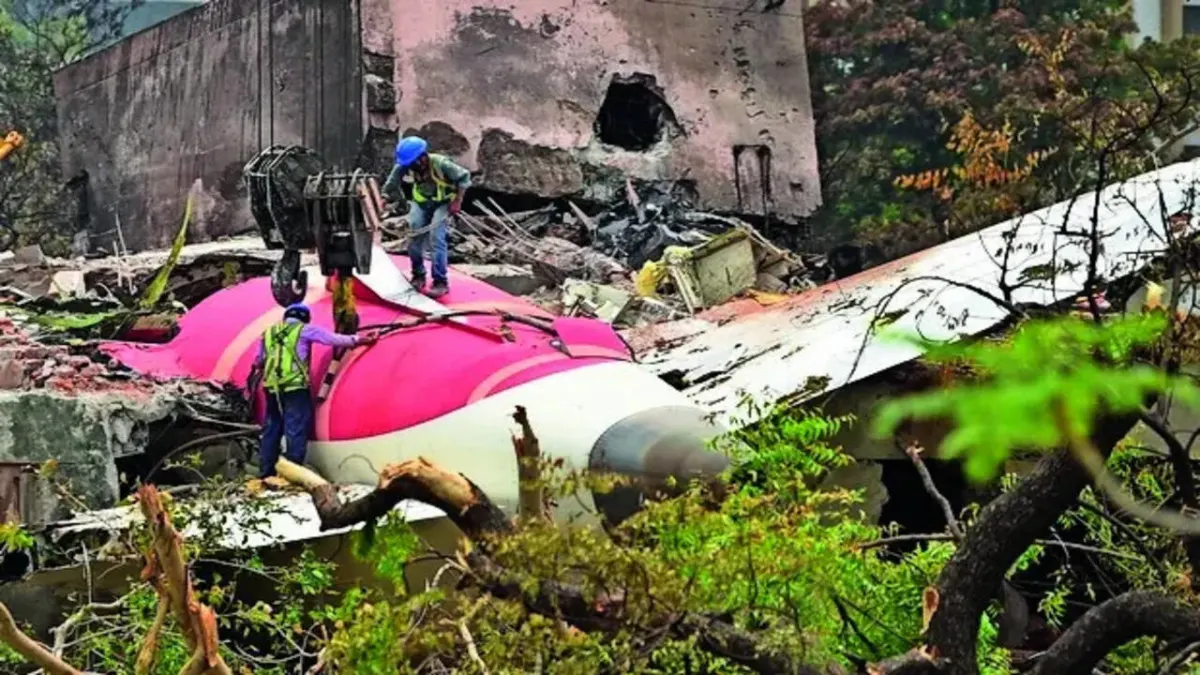
FAS Challenges AAIB Over Boeing 787 Safety Data
The Foundation for Aviation Safety is urging the AAIB to issue safety warnings for the Boeing 787 fleet following the fatal Air India 171 crash.
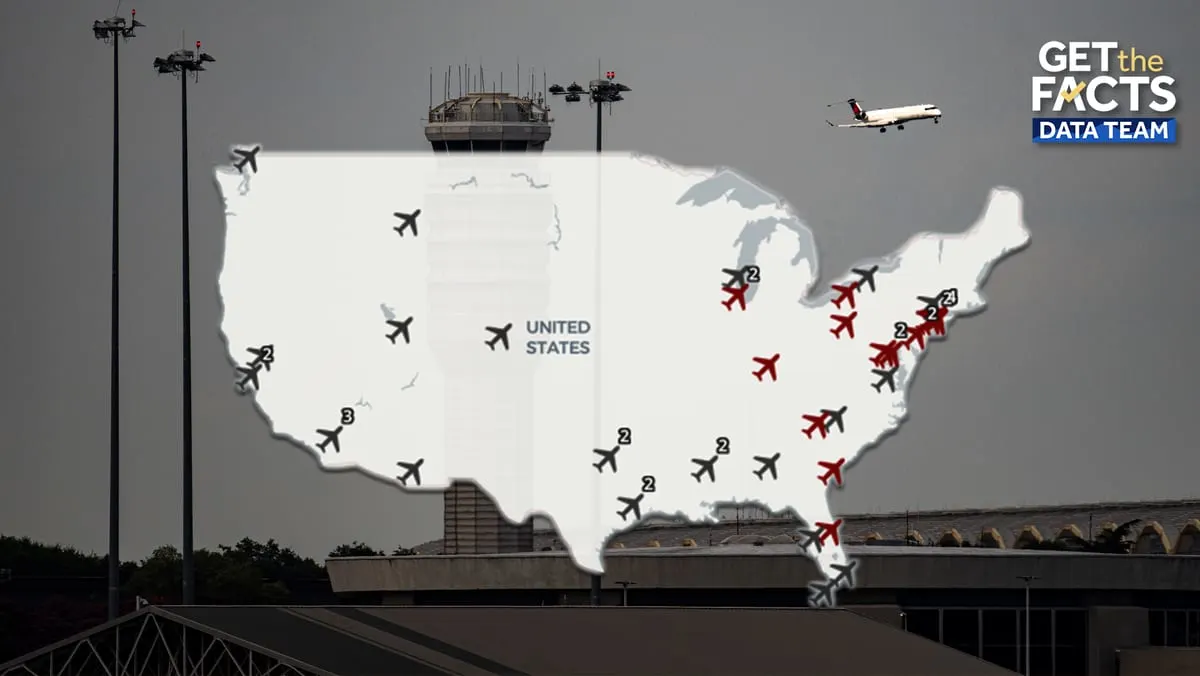
NTSB Safety Recommendations Lag Amid 6 Monthly Near-Misses
Approximately 6 near-miss incidents occur monthly at U.S. airports as 270 NTSB safety recommendations remain unaddressed by federal regulators.
NTSB Rejects FAA Safety Responses After 67-Fatality Crash
The NTSB labeled 11 FAA responses to 2025 DCA mid-air collision recommendations as unacceptable, citing the lack of a mandatory ADS-B In requirement.
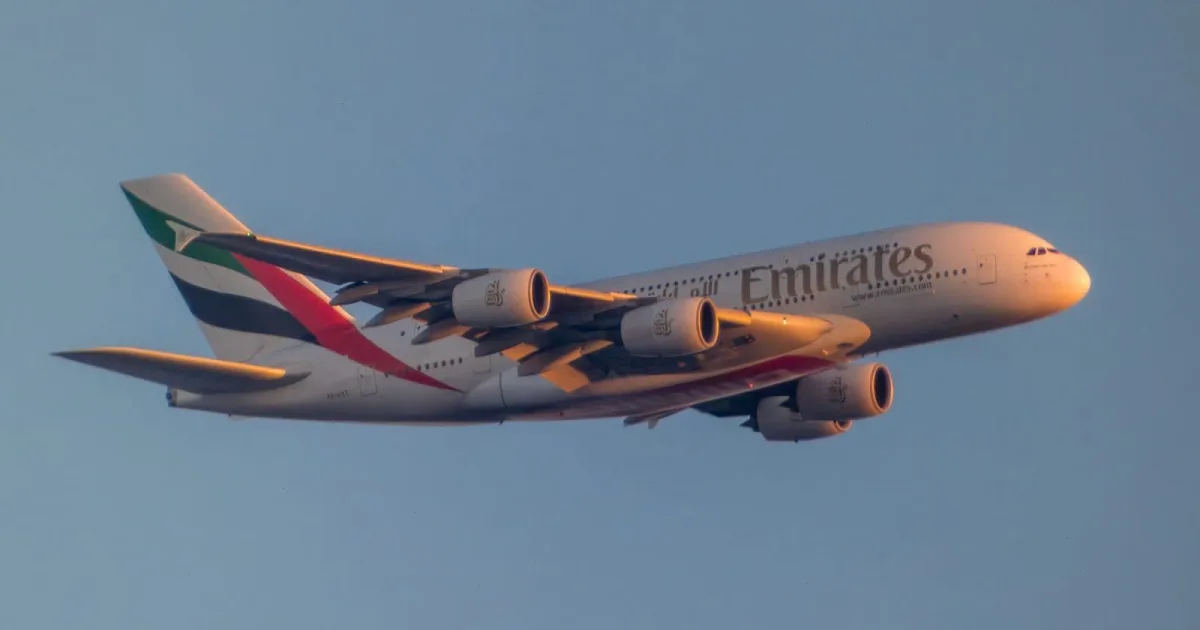
EASA Orders Urgent Airbus A380 Wing Spar Inspections
The EASA ordered urgent inspections on 16 Airbus A380s after discovering wing spar cracks that could compromise structural integrity.
Ryanair Flight RK514 Diverts to Birmingham After Emergency
Ryanair flight RK514 diverted to Birmingham Airport on September 13, 2026, following a medical emergency involving a passenger.