Saudia Receives First A321XLR, Boosting Middle East Fleet

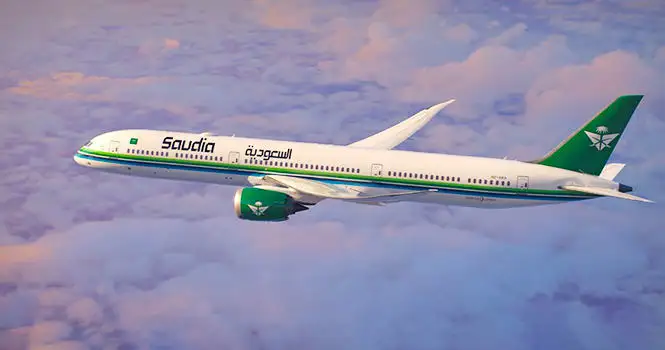
Saudia has taken delivery of its first Airbus A321XLR, becoming the first carrier in the Middle East and Africa to operate the long-range narrowbody.
Key Takeaways
- •Saudia received its first A321XLR, a first for the MEA region.
- •The aircraft features a 144-seat premium-heavy, low-density layout.
- •Saudia has a firm order for 15 A321XLRs to be delivered by 2027.
- •Inaugural commercial flight to Madrid is confirmed for June 3, 2026.
Saudia Expands Long-Haul Capability
Saudia has officially received its first Airbus A321XLR (Extra Long Range) aircraft, marking a significant milestone for Middle East and Africa (MEA) aviation. The aircraft, registered as HZ-ASBA, arrived at its new base on May 24, 2026, signaling the start of a new operational era for the flag carrier. This Saudia A321XLR delivery represents the first deployment of the Airbus narrowbody long-haul platform within the region, positioning the airline to serve thin, long-haul routes with enhanced economic efficiency.
Operational Impact and Strategy
The introduction of the A321XLR allows Saudia to optimize its network by serving long-haul markets that do not require the capacity of a widebody aircraft. According to Airbus product specifications, the A321XLR provides a maximum range of 4,700 nautical miles (8,700 kilometers) and features a Maximum Takeoff Weight (MTOW) of 101.5 tonnes. This capability is facilitated by a permanent Rear Center Tank (RCT), which significantly extends the aircraft's reach compared to previous variants. For Saudia, this means operating routes like the upcoming Jeddah to Madrid service, scheduled to launch on June 3, 2026, at approximately half the trip cost of a modern twin-aisle aircraft.
Aircraft Configuration
Saudia has opted for a premium-heavy, low-density cabin layout for its new fleet. The aircraft is configured with 144 seats, comprising 24 lie-flat business class suites and 120 economy seats. This configuration prioritizes passenger comfort on extended flights, offering a high-end experience that contrasts with traditional narrowbody layouts. This approach aligns with the industry trend toward premium-heavy single-aisle cabins, ensuring that passengers on long-haul routes maintain access to direct aisle entry and enhanced privacy.
Regulatory Context
The A321XLR's entry into service follows a rigorous five-year certification process conducted by the European Union Aviation Safety Agency (EASA). This process, which concluded in July 2024 for CFM LEAP-1A engines and February 2025 for Pratt & Whitney GTF engines, focused on the safety and structural integrity of the permanent Rear Center Tank. This certification was essential for the aircraft to achieve global operational clearance, including the delivery to Saudia.
Technical Analysis
The integration of the A321XLR into the Middle East aviation fleet represents a structural shift in regional network planning. Historically, airlines in the region relied heavily on widebody aircraft to bridge the gap between major hubs and secondary international markets. The A321XLR challenges this precedent by offering widebody-equivalent range with narrowbody operating costs. This development indicates a move toward more granular route networks. While Boeing has argued that the majority of single-aisle routes do not require the extreme range of the A321XLR, the market trajectory suggests that airlines are prioritizing the flexibility to launch point-to-point services without the financial exposure of larger aircraft. The A321XLR is expected to accelerate this trend, particularly as carriers look to align fleet composition with the objectives of initiatives like Saudi Vision 2030.
A321XLR vs. Boeing 737 MAX 10: Key Specifications
| Metric | Airbus A321XLR | Boeing 737 MAX 10 |
|---|---|---|
| Maximum Range | 4,700 nm | 3,100 nm |
| MTOW | 101.5 tonnes | 89.7 tonnes |
| Max Capacity | 244 passengers | 230 passengers |
What Comes Next
Saudia holds a firm order for 15 Airbus A321XLR aircraft, with the remaining deliveries expected to conclude by the end of 2027. The airline will inaugurate the aircraft's commercial service on the Jeddah to Madrid route on June 3, 2026. As the fleet grows, the carrier is expected to expand its reach into additional European and African markets that were previously underserved by high-capacity widebody operations.
Why This Matters
The delivery of the first A321XLR in the Middle East signals a fundamental change in how regional carriers approach long-haul network development. By successfully deploying narrowbody aircraft on routes exceeding 6 hours, Saudia is setting a new standard for point-to-point connectivity. This shift not only enhances the carrier's competitive position but also provides a blueprint for other regional operators looking to optimize their fleet for thin, long-haul demand.
Frequently Asked Questions
- What is the seating capacity of Saudia's new A321XLR?
- Saudia's A321XLR features a premium, low-density layout with 144 seats total, including 24 lie-flat business class suites and 120 economy seats.
- When will Saudia begin commercial operations with the A321XLR?
- Saudia is scheduled to launch the inaugural commercial flight for its A321XLR on the route from Jeddah to Madrid on June 3, 2026.
Stay ahead of the airline industry with commercial aviation news from omniflights.com. From aircraft production to supply chains, commercial aviation manufacturing news is covered at omniflights.com/manufacturing.

Written by Hardik Vishwakarma
Co-Founder & Aviation News Editor leading initiatives that improve trust and visibility across the global aviation industry. Covers airlines, airports, safety, and emerging technology.
Visit ProfileYou Might Also Like
British Airways Restores Daily London-Buenos Aires Flights

Lufthansa Group Expands Japan Network to 50 Weekly Flights

Biman Bangladesh Seeks Early Delivery for 10 Airbus Jets
United Airlines Takes Delivery of First GTF Advantage A321XLR
Biman Bangladesh Airlines to Sign 10-Aircraft Airbus Deal