Santa Monica Airport to Close in 2028 After Decades-Long Civic Battle

Co-Founder & CEOAviation News Editor delivering trusted coverage across the global aviation industry.
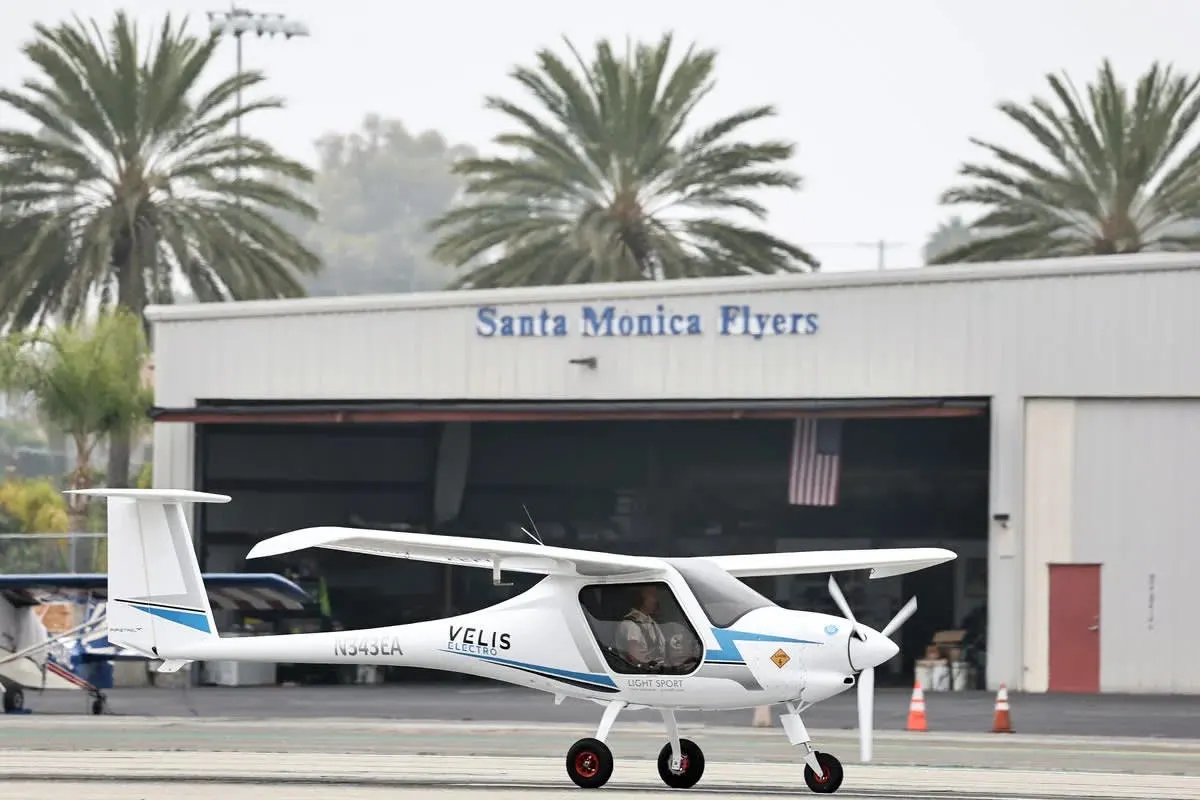
Santa Monica Airport will permanently close after December 31, 2028, under an FAA agreement, converting the 227-acre site into a park after 50 years.
Key Takeaways
- •Closes permanently after December 31, 2028, under a 2017 FAA settlement.
- •Converts 227 acres of historic airport land into a large public park.
- •Ends a 50-year conflict with local residents over noise and pollution complaints.
- •Sets a major precedent for urban general aviation airports facing similar pressures.
After more than 50 years of disputes with local residents over noise and environmental concerns, the historic Santa Monica Municipal Airport (SMO) is set to permanently cease operations after December 31, 2028. The closure is mandated by a landmark 2017 settlement agreement between the City of Santa Monica and the Federal Aviation Administration (FAA), paving the way for the 227-acre property to be converted into a large public park.
The city has initiated the Santa Monica Airport Conversion Project, recently releasing a draft Framework Diagram that outlines potential uses for the land. This development marks a significant turning point in the long-running conflict between urban development and the preservation of general aviation infrastructure in the United States.
A History of Conflict and Urban Growth
Santa Monica Airport has a rich aviation history, in use since at least 1919 and once home to the Douglas Aircraft Company. During its peak in World War II, the company employed up to 44,000 workers, fueling significant residential growth in the area. According to U.S. Census Bureau data, Santa Monica's population swelled from 15,000 in 1924 to over 94,000 by 2023. This urban encroachment steadily increased tensions between the airport and its new neighbors.
Starting in the 1970s, the city began implementing regulations to curtail airport operations in response to community complaints. The conflict escalated in the 1990s when residents sued the city over adverse health impacts and nuisance claims. The tipping point came in 2014 when 60 percent of Santa Monica voters approved Measure LC, a ballot initiative prohibiting new development on airport land except for parks and open spaces without further voter approval. This measure effectively locked in the land's future use post-closure.
The Path to Closure: Regulation and Settlement
The 2017 Consent Decree with the FAA was the decisive regulatory action that sealed the airport's fate. The agreement legally permitted the city to close SMO after 2028 and, in the interim, allowed for the immediate shortening of the single runway to 3,500 feet. This reduction severely restricted the operations of larger business jets, a key user group, and accelerated the decline in traffic. According to the FAA, current operations are approximately 57,400 annually, a decline of over 70% from the airport's historical peak.
More recently, the FAA ruled in late 2025 that the city violated FAA Grant Assurance 25, which requires airport revenue to be used for aviation purposes. The ruling found that Santa Monica had improperly planned to use a $19 million surplus for non-aviation activities related to the post-closure park conversion.
Industry Impact and Advocacy
The closure of SMO represents a major loss for the General Aviation (GA) community in the congested Los Angeles basin. For pilots and flight schools, it eliminates a critical reliever airport, forcing them to relocate to other crowded facilities. The National Business Aviation Association (NBAA), a prominent industry group, has been a vocal opponent. Alex Gertsen, NBAA Director of Airports and Ground Infrastructure, previously characterized the decision as "irresponsible governance" driven by a "small but vocal cluster."
Conversely, local officials and many residents view the closure as a victory for public health and quality of life. Former Mayor Ted Winterer stated that the 2017 settlement provided "certainty that the airport will close forever and future generations of Santa Monicans will have a great park." The move is expected to eliminate aircraft noise and emissions for surrounding neighborhoods while potentially increasing property values.
Historical Precedents and Industry Trends
The closure of Santa Monica Airport is not an isolated event but reflects a broader trend of urban GA airports succumbing to land value and community pressures. The situation mirrors the controversial 2003 closure of Chicago's Meigs Field, where the runway was abruptly destroyed overnight to create parkland. A more analogous, planned transition is the closure of Berlin's Tempelhof Airport in 2008, which was successfully repurposed into a massive and popular public park, demonstrating a potential model for Santa Monica's "Great Park" vision.
What Comes Next
The city is actively moving forward with its conversion plans. The public comment period for the draft Framework Diagram is scheduled to end on April 26, 2026. Following this feedback period, the Santa Monica City Council is expected to adopt a preferred plan for the park's design in late 2026. Barring any unforeseen legal challenges, the airport is confirmed to cease all aviation operations permanently on December 31, 2028.
Why This Matters
The permanent closure of Santa Monica Airport sets a powerful precedent for other general aviation airports located on high-value urban land across the country. It highlights the growing tension between local municipal control and the federal interest in maintaining a national airspace system. For the aviation industry, the loss of SMO underscores the vulnerability of critical infrastructure to localized political and community opposition.
Get breaking commercial aviation news and expert airline analysis at omniflights.com. Follow aviation sustainability efforts, emissions research, and green initiatives in the Environmental section at omniflights.com/environmental.
Written by Hardik Vishwakarma
Co-Founder & Aviation News Editor leading initiatives that improve trust and visibility across the global aviation industry. Covers airlines, airports, safety, and emerging technology.
Visit ProfileYou Might Also Like
Discover more aviation news based on similar topics
IndiGo Opens Commercial Flights at Bhogapuram
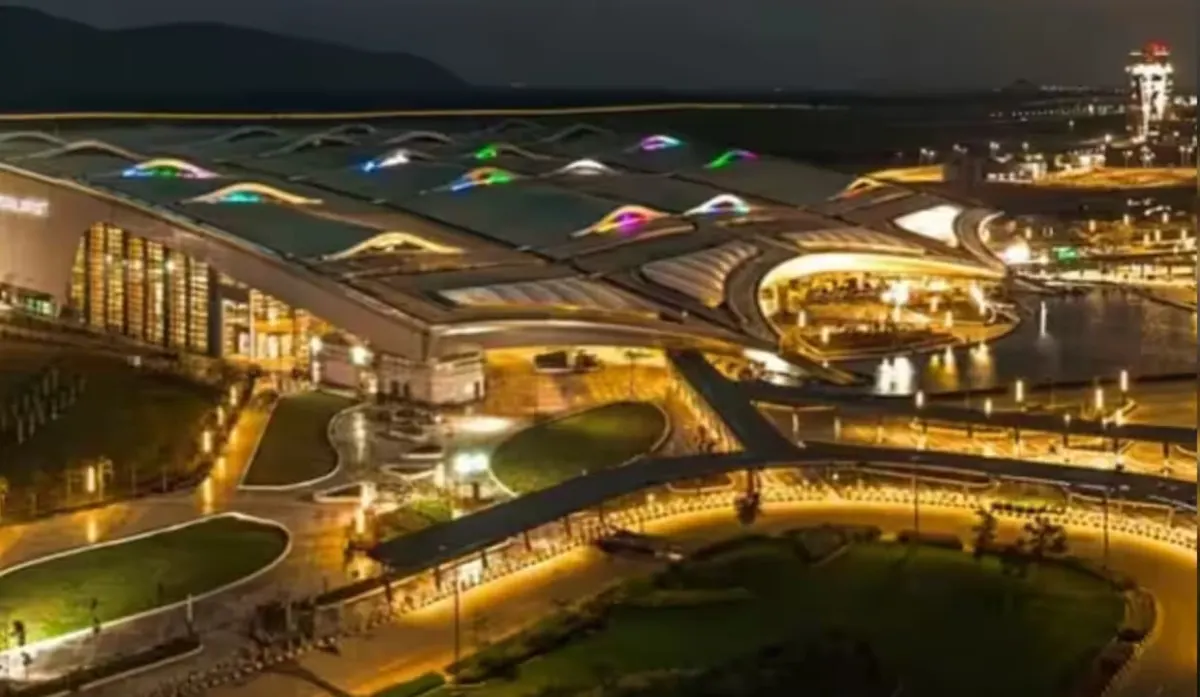
IndiGo launched the first commercial flight to the new Rs 5,700 crore Bhogapuram Airport, shifting civilian traffic from the old civil enclave.

Sydney Airport Master Plan 2045 Approved
The Australian government approved Sydney Airport's Master Plan 2045, enabling terminal integration to handle 72.6 million passengers by 2045.
Visakhapatnam Airport Ends Commercial Flights for 30 Years
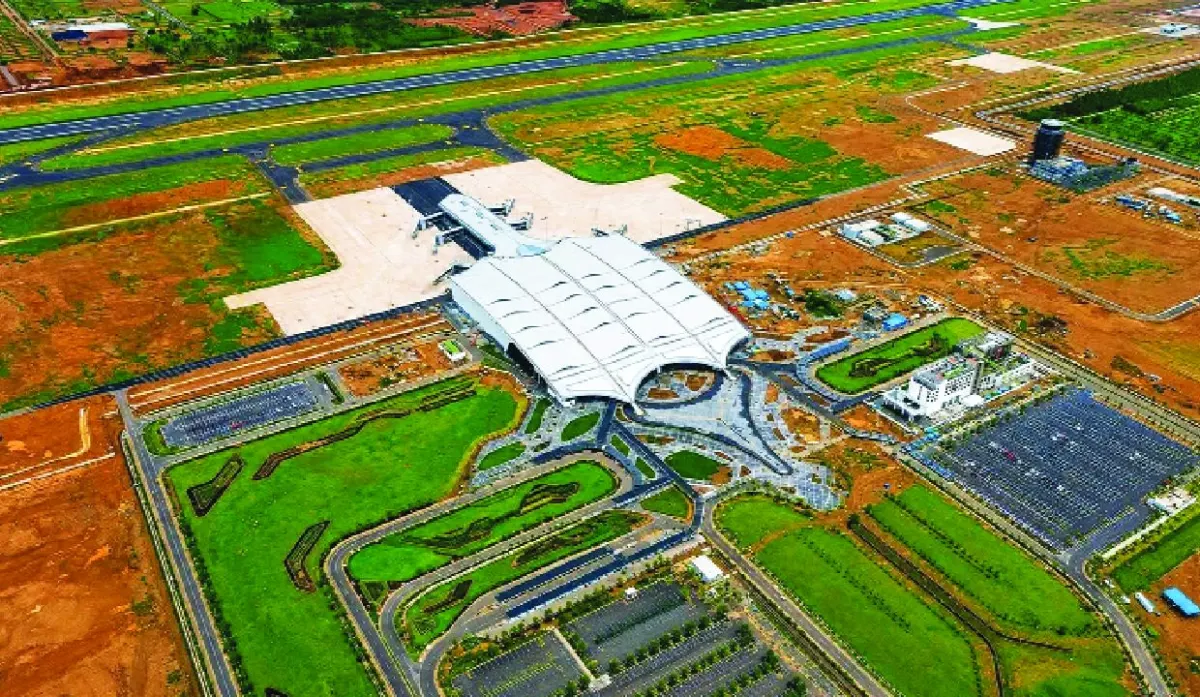
Visakhapatnam Airport ended scheduled commercial flights ahead of Bhogapuram's opening, triggering a 30-year moratorium on civil operations.
NMIA Approves 13 Airlines for Cargo Operations
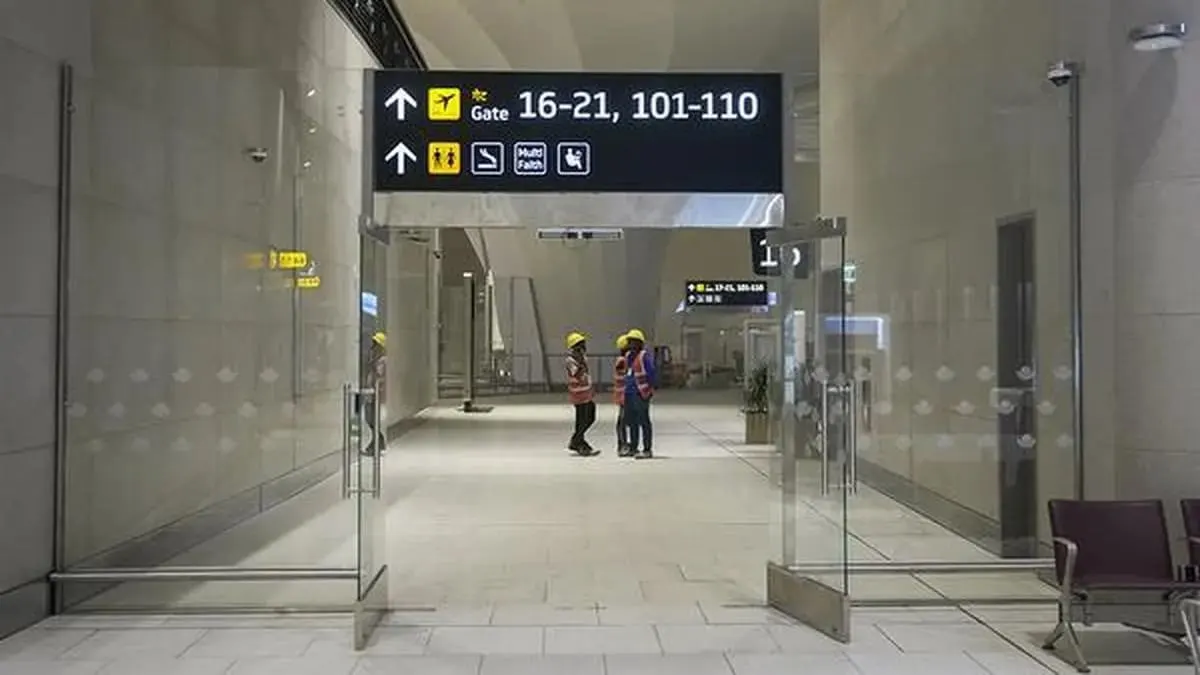
NMIA has approved 13 international airlines to launch freighter flights, accelerating Mumbai's transition to a dual-airport cargo system.

Hong Kong Air Cargo Lands First Navi Mumbai Freighter
Hong Kong Air Cargo launched flights to Navi Mumbai, marking the airport's first international freighter service with 6 weekly movements.

ENAC Suspends Catania Flights Amid Mount Etna Eruption
ENAC suspended operations at Catania Airport due to a Mount Etna eruption, resulting in 700 flight cancellations and massive regional diversions.