SAA A320 Lands in Gqeberha With 420kg of Fuel Remaining

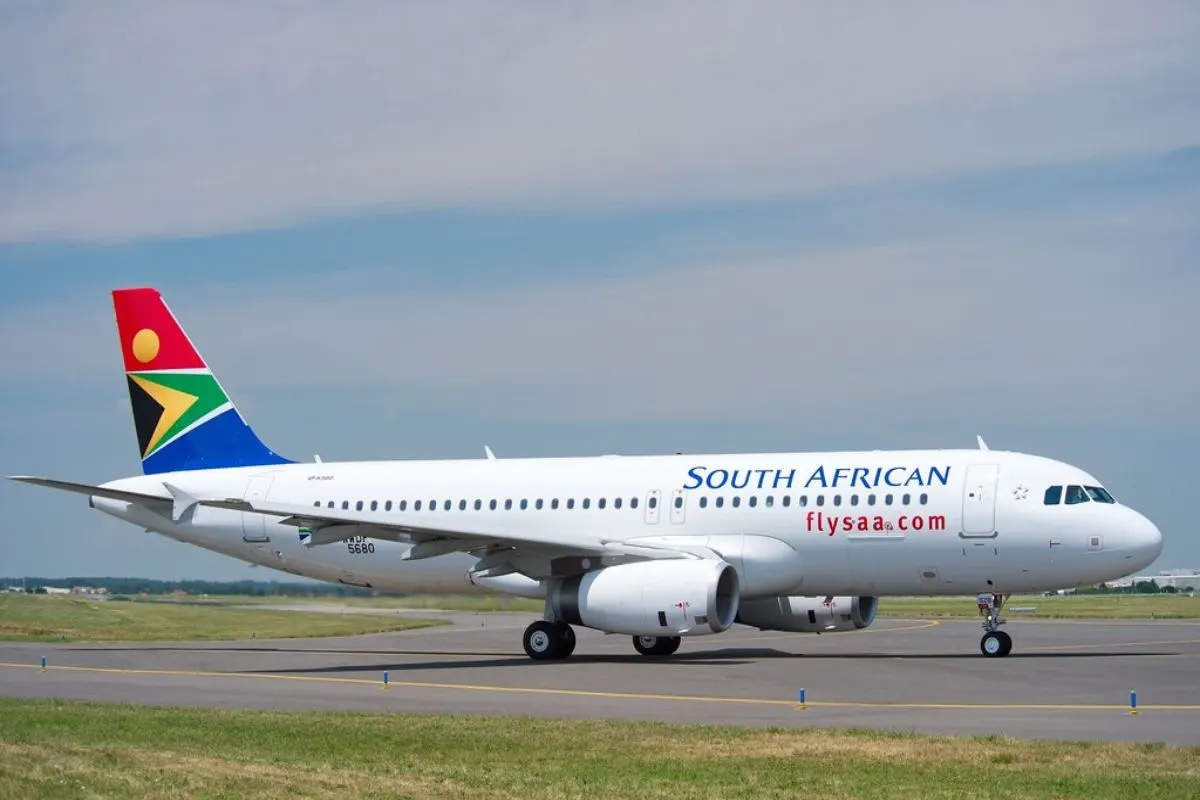
A South African Airways A320 landed in Gqeberha with only 420kg of fuel after storm-related diversions forced a critical low-fuel situation.
Key Takeaways
- •SAA flight SA313 landed in Gqeberha with only 420kg of fuel remaining.
- •The 420kg total represents just 35% of the required final reserve fuel.
- •The flight diverted twice due to severe weather and windshear in the region.
- •SACAA is expected to publish a preliminary incident report in June 2026.
A South African Airways (SAA) flight recently experienced a critical fuel emergency, landing at Chief Dawid Stuurman International Airport (PLZ) in Gqeberha with only 420kg of fuel remaining. The incident, involving an Airbus A320-232 (registration ZS-SZH), occurred on May 11, 2026, during a flight from Johannesburg to Cape Town. The SAA flight SA313 diversion highlights the significant operational challenges posed by severe weather systems in the Western Cape.
Incident Background
Flight SA313 was forced to divert from its original destination, Cape Town, due to severe storm activity and windshear. The crew initially attempted to divert to George Airport (GRZ), but deteriorating weather conditions at the alternate location made a safe landing impossible. Consequently, the flight was forced to continue to Gqeberha. According to South African Airways (SAA) post-flight inspection data, the aircraft landed with a total of 420kg of fuel remaining, distributed as 340kg in the left tank, 30kg in the center, and 50kg in the right tank. This figure represents approximately 35% of the mandatory Final Reserve Fuel (FRF) and only 2% of the aircraft’s maximum fuel capacity.
Regulatory and Operational Context
Under regulations set by the South African Civil Aviation Authority (SACAA) and the International Civil Aviation Organization, commercial aircraft are required to maintain an FRF sufficient to fly for 30 minutes at holding speed at 1,500 feet above the alternate aerodrome. For an Airbus A320, this standard is typically between 1,100kg and 1,200kg. Landing with fuel reserves significantly below these levels triggers a mandatory safety investigation. You can find more information on these protocols via the South African Civil Aviation Authority (SACAA) portal.
Duncan Gillespie, an experienced Airbus pilot and curator of FlyAfrica, noted that the weather in George was also outside of operational limits, which compounded the crew's decision-making process. Gillespie observed that a second approach attempt at Cape Town would have left the crew without sufficient fuel to reach an alternate airport.
Technical Analysis
This event underscores the tension between operational efficiency and safety margins in regions prone to sudden weather shifts. While airlines must manage weight and fuel burn, the increasing frequency of cut-off low pressure systems in South Africa is forcing a re-evaluation of dispatch policies. Historically, similar incidents, such as the 2012 Ryanair fuel emergencies in Valencia, have led to comprehensive reviews of diversion protocols. The current situation suggests that domestic carriers may need to adopt more conservative fuel planning, despite the associated payload and environmental costs.
A320 vs. 737-800: Key Specifications
| Metric | Airbus A320-200 | Boeing 737-800 |
|---|---|---|
| Max Fuel Capacity | ~19,000 kg | ~20,800 kg |
| Typical Final Reserve (30 min) | ~1,100 kg | ~1,100 kg |
| Standard Range | 3,300 nm | 2,935 nm |
What Comes Next
The South African Civil Aviation Authority (SACAA) is expected to release a preliminary incident report by June 2026. This investigation will likely scrutinize dispatch fuel planning and the crew’s decision-making during the sequential diversions. For passengers, the incident may lead to more proactive flight cancellations or weight restrictions on the Johannesburg-Cape Town route during future storm seasons as airlines prioritize safety buffers.
Why This Matters
This incident serves as a stark reminder of the reliance on dynamic decision-making during extreme weather events. It highlights the vulnerability of domestic route networks when primary and secondary airports are simultaneously impacted by regional storm systems, necessitating a potential shift in how carriers calculate contingency fuel.
Frequently Asked Questions
- What is the mandatory final reserve fuel for an Airbus A320?
- The standard final reserve fuel for an Airbus A320 is approximately 1,100kg to 1,200kg, which is intended to cover 30 minutes of holding at 1,500 feet.
- Why did the SAA flight divert to Gqeberha?
- The flight was forced to divert from Cape Town due to severe storm activity and windshear. It initially attempted to land at George Airport, but had to continue to Gqeberha because the weather at George was also below operational limits.
Stay ahead of the airline industry with commercial aviation news from omniflights.com. Get the latest updates on major hubs, regional terminals, and airport operations via the Airports section at omniflights.com/airports.

Written by Hardik Vishwakarma
Co-Founder & Aviation News Editor leading initiatives that improve trust and visibility across the global aviation industry. Covers airlines, airports, safety, and emerging technology.
Visit ProfileYou Might Also Like
Delta A350 and Air Canada 777 Clip Wings at LAX

21 Air Flight 7598 Crash: NTSB Probes Pilot Pairing

British Airways BA295 and Flydubai FZ1073 Emergency Events
British Airways BA295 Makes Emergency Landing at Heathrow
Airbus Orders A330neo HTP Inspection After Tool Discovery