Royal Air Maroc Targets Growth in African Connectivity

Co-Founder & CEOAviation News Editor delivering trusted coverage across the global aviation industry.
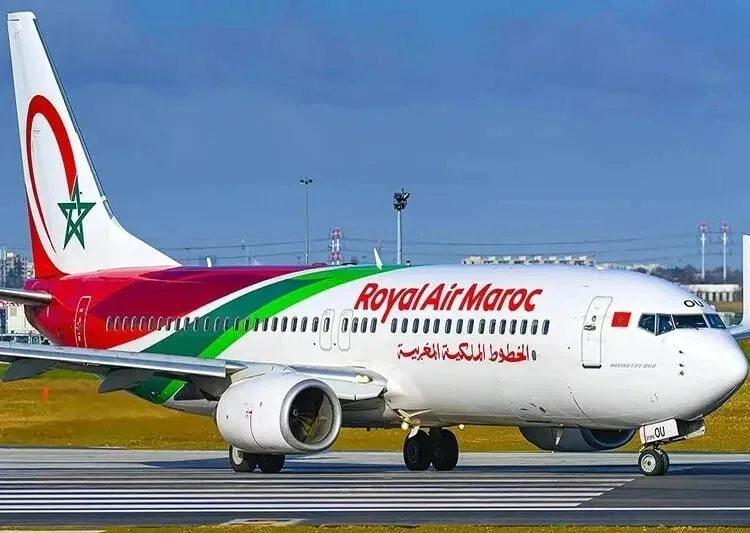
Royal Air Maroc CEO Abdelhamid Addou outlined a strategic push for regional connectivity and the Single African Air Transport Market at AFCAC Expo 2026.
Key Takeaways
- •RAM aims for a 200-aircraft fleet by 2035-2037 to boost connectivity.
- •SAATM implementation could add $1.3 billion annually to African GDP.
- •Casablanca hub capacity is expected to reach 35 million passengers by 2029.
- •Regional connectivity could reduce average travel times by 20%.
Strategic Growth at AFCAC Expo 2026
Royal Air Maroc (RAM) is positioning itself as a primary driver for an integrated African airspace, with leadership emphasizing the importance of the Single African Air Transport Market (SAATM). During a panel discussion at the AFCAC (African Civil Aviation Commission) Expo 2026 in Lomé, Togo, held from June 15 to 19, RAM Chief Executive Officer Abdelhamid Addou identified African connectivity as a core strategic priority. The airline aims to leverage its Casablanca (CMN) hub to facilitate easier travel across the continent, directly supporting regional economic integration.
The Economic Case for Open Skies
Implementation of the SAATM initiative remains a critical objective for the African Union. According to an IATA (International Air Transport Association) Continental Study, opening 12 key African aviation markets could generate 155,000 new jobs and add $1.3 billion annually to the continent's GDP. Despite these projections, the industry faces persistent regulatory hurdles, including high taxes and restrictive traffic rights. Addou highlighted that current protectionist policies often shield national carriers, which continues to stall the continent-wide implementation of open skies agreements originally mandated by the 1999 Yamoussoukro Decision.
Fleet and Infrastructure Expansion
To support this vision, RAM is executing a significant fleet modernization plan. The carrier intends to grow its fleet from approximately 50-60 aircraft to 200 aircraft by 2035-2037. This growth is mirrored by infrastructure investments managed by ONDA (Office National Des Aéroports). Morocco plans to increase total air passenger traffic to nearly 90 million by 2035, supported by the ongoing expansion of the Casablanca hub. These investments in mega-terminals are intended to capture rising transit traffic, with Casablanca's capacity expected to reach 35 million passengers by 2029.
Stakeholder Dynamics
For major flag carriers, the move toward a unified market offers expanded fifth-freedom traffic rights. However, the transition presents competitive risks for smaller state-owned operators. As noted by industry analysts, the primary obstacles remain political rather than technical. While larger carriers like RAM advocate for the removal of capacity limits, smaller airlines remain concerned about market dominance by well-capitalized regional players. The AFCAC Expo serves as a platform to navigate these concerns, fostering dialogue between government officials and industry leaders to harmonize regulations.
Technical Analysis: The Casablanca Hub Strategy
This development signals a shift in the regional aviation landscape, where carriers are increasingly prioritizing direct intra-African routes over traditional transit through European hubs. Data indicates that this shift could reduce average travel times by approximately 20%. The strategy employed by RAM follows a global trend of developing regional super-hubs to capture traffic that previously flowed through legacy international gateways. By aligning its fleet procurement with the expected liberalization of air traffic rights, RAM is positioning itself to lead the South-South cooperation model. Historically, the transition from the 2000 Yamoussoukro Decision to the 2018 launch of SAATM has been slow due to national protectionism, but the current focus on infrastructure investment suggests that the industry is moving from policy debate to practical execution.
What Comes Next: Infrastructure and Fleet Milestones
Following the conclusion of the AFCAC Expo 2026 on June 19, the focus shifts to long-term implementation of SAATM goals. Key milestones include the expansion of Casablanca Mohammed V Airport to accommodate 35 million passengers by 2029. Furthermore, RAM is expected to continue its aggressive fleet procurement schedule, reaching the 200-aircraft target by the 2035-2037 period. These developments remain subject to ongoing regulatory harmonization efforts across member states.
Why This Matters for African Aviation
For African passengers and economies, the success of these initiatives could lead to a projected 9% reduction in average airfares. The integration of the continent’s airspace is a cornerstone of the African Union’s Agenda 2063, and the active participation of carriers like RAM is essential to overcoming the legacy of fragmented, high-cost air transport.
Frequently Asked Questions
- What is the goal of the Single African Air Transport Market (SAATM)?
- The SAATM aims to create a unified air transport market across Africa by deregulating services and removing bilateral restrictions, thereby allowing airlines to operate intra-African routes without capacity or frequency limits.
- How does Royal Air Maroc plan to support African aviation connectivity?
- Royal Air Maroc is expanding its network around its Casablanca hub and executing a development plan to grow its fleet to 200 aircraft by 2035-2037 to facilitate better regional integration.
Stay ahead of the airline industry with commercial aviation news from omniflights.com. Stay informed on aviation incidents, investigations, and best practices in the Safety category at omniflights.com/safety.
Written by Hardik Vishwakarma
Co-Founder & Aviation News Editor leading initiatives that improve trust and visibility across the global aviation industry. Covers airlines, airports, safety, and emerging technology.
Visit ProfileYou Might Also Like
Discover more aviation news based on similar topics
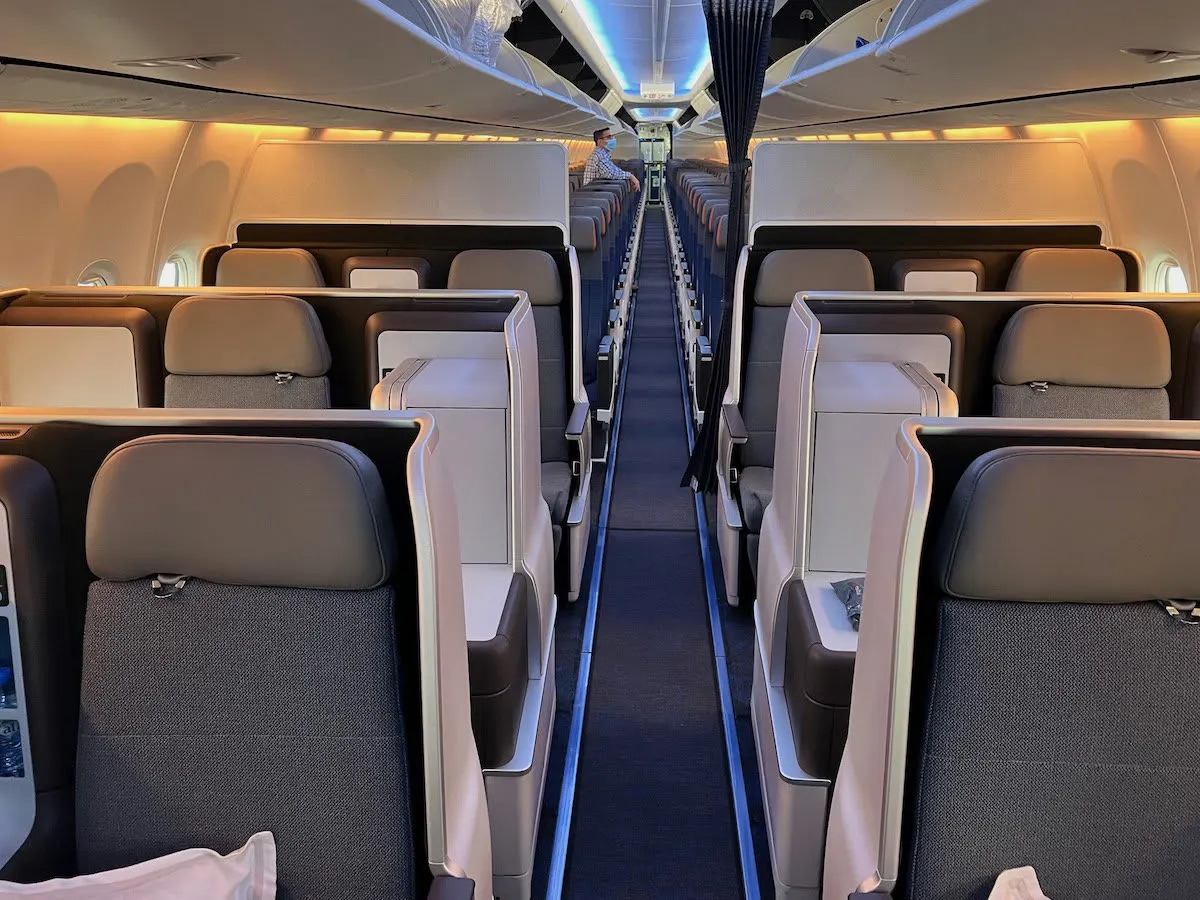
Flydubai Upgrading 21 Boeing 737 MAX 8s to Flat Bed Seats
Flydubai is retrofitting 21 Boeing 737 MAX 8 aircraft with lie-flat business class seats to standardize its premium product by late 2027.
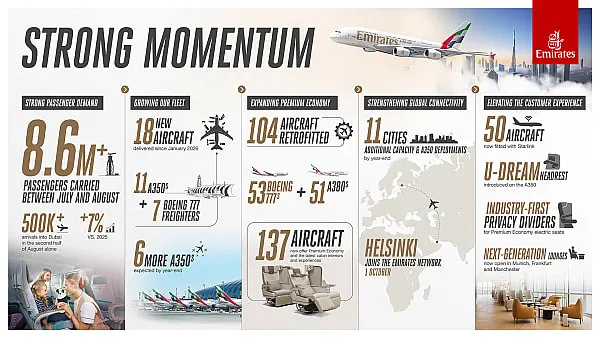
Emirates Winter Booking Momentum Grows Amid Fleet Expansion
Emirates carried 8.6 million passengers this summer and enters winter with strong demand as it accelerates fleet retrofits and network growth.
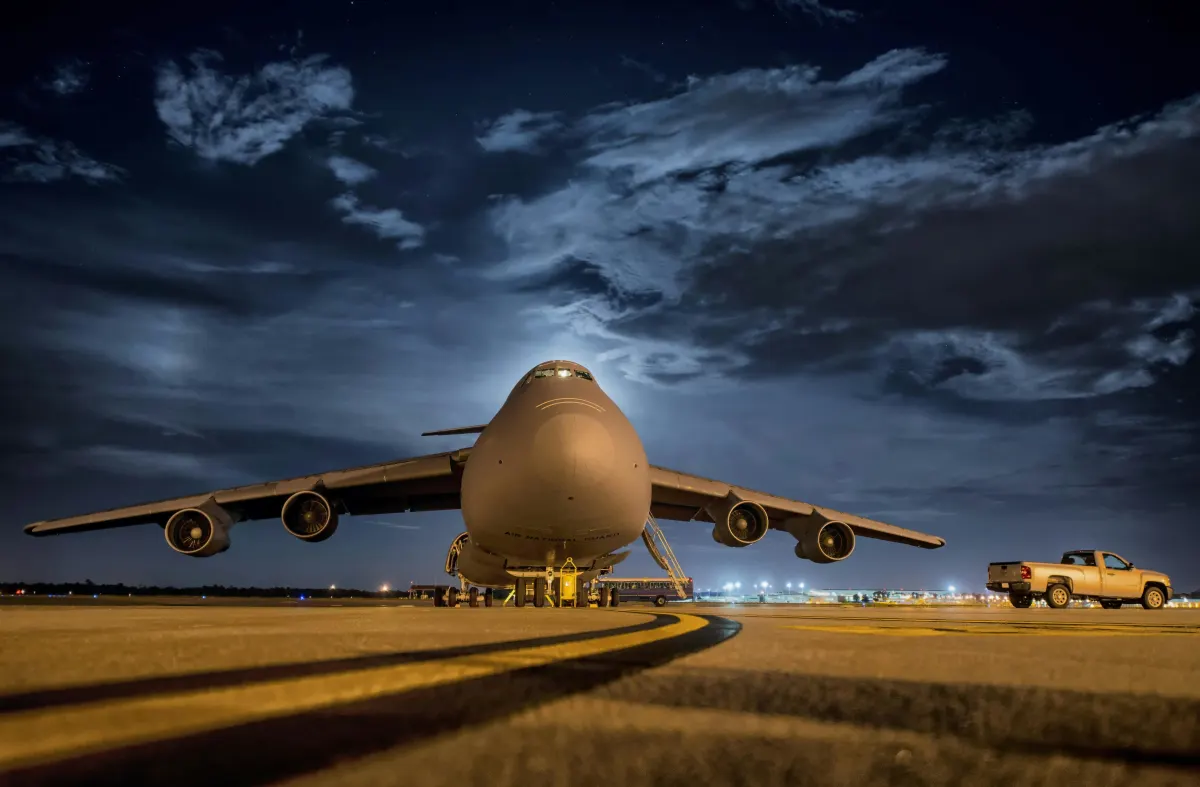
Air Arabia Consortium Gains AOC for New Dammam Budget Airline
A Saudi GACA-led consortium including Air Arabia has secured an AOC to launch a new budget airline based at Dammam's King Fahd International Airport.
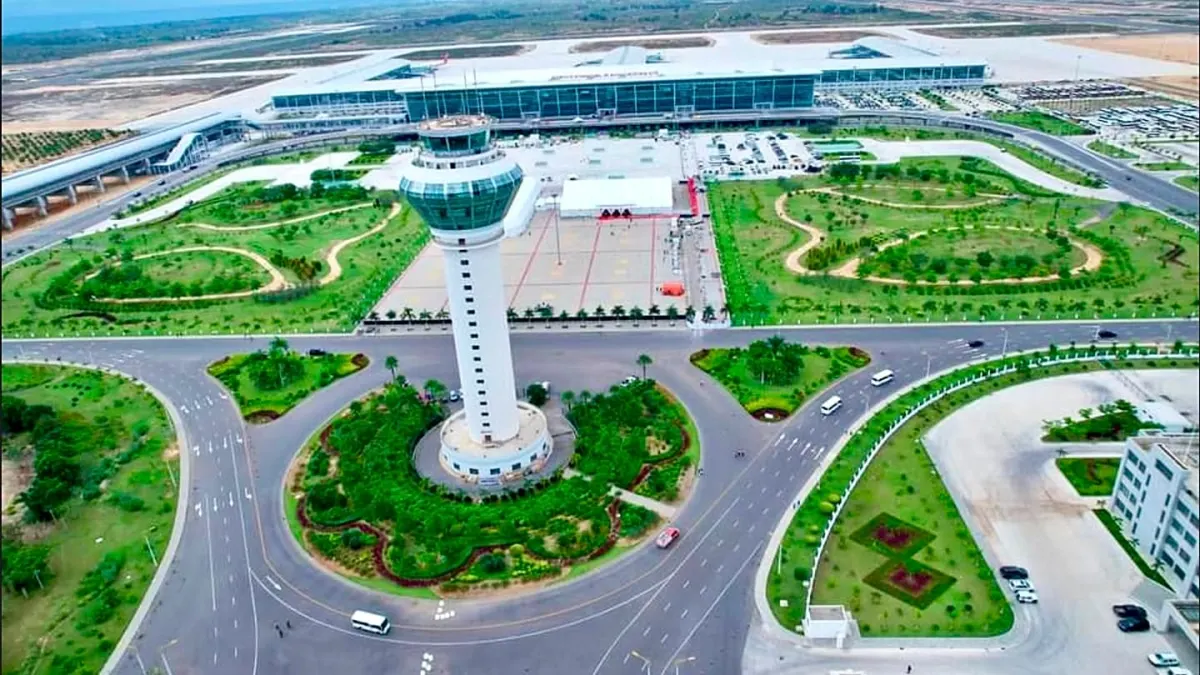
Turkish Airlines Exits Luanda as Angola Hub Struggles
Turkish Airlines dropped its Luanda route as Angola's new airport struggles to attract traffic, handling only 756,028 passengers in 2025.

Red Sea Airlines Leases Two 737 MAX 8s for 2027 Expansion
Red Sea Airlines signed a lease for two Boeing 737 MAX 8 aircraft from SMBC Aviation Capital, arriving in 2027 to support its 14-aircraft fleet goal.
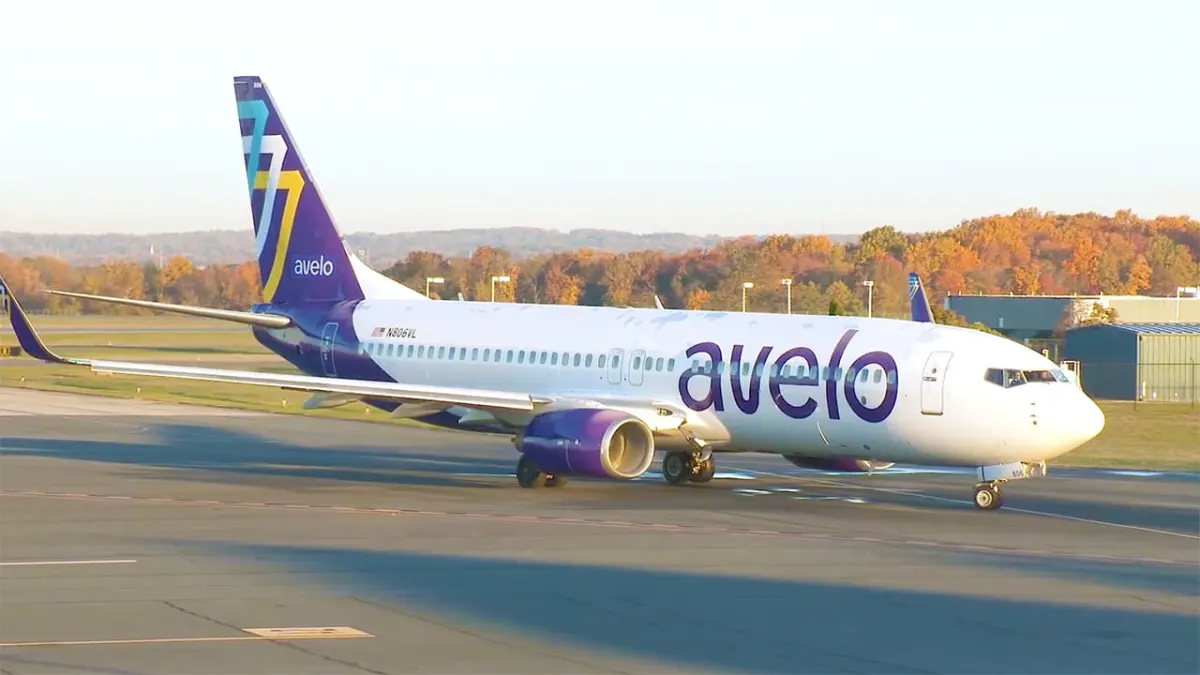
Avelo CEO Warns Airfares May Rise on Jet Fuel Price Spikes
Avelo Airlines CEO Andrew Levy warns that rising fuel costs may force fare increases as global jet fuel prices reach $171.01 per barrel.