FAA Issues Emergency A380 Engine Directive

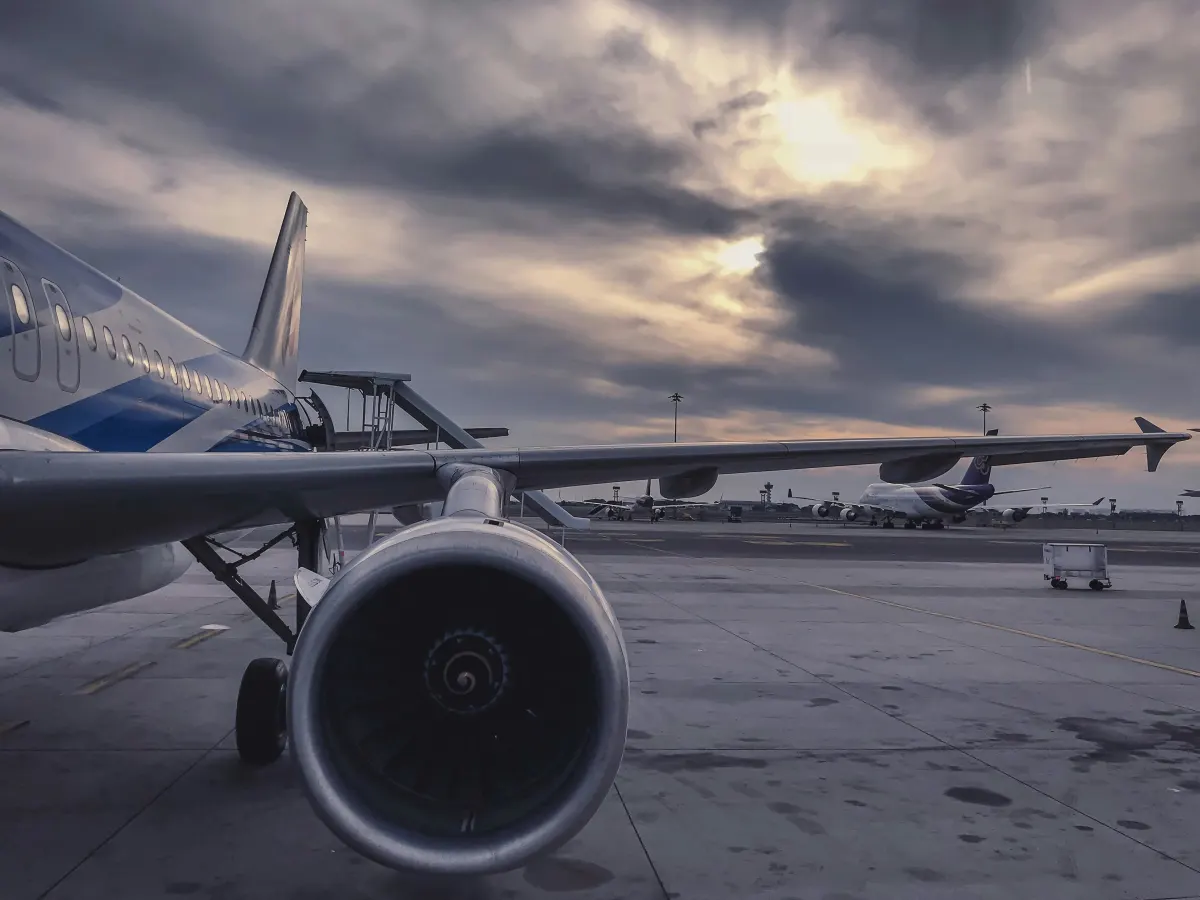
The FAA issued an emergency Airworthiness Directive for Airbus A380 aircraft using Engine Alliance GP7200 engines following a turbine seal failure.
Key Takeaways
- •FAA issued emergency AD 2026-20-12 for Airbus A380 GP7200 engines.
- •Mandate requires urgent replacement of high-pressure turbine interstage seals.
- •Action follows an uncontained seal failure during a recent takeoff.
- •Directive impacts global A380 operators using Engine Alliance powerplants.
The Federal Aviation Administration (FAA) has issued an emergency Airworthiness Directive (AD) 2026-20-12 mandating the urgent replacement of high-pressure turbine interstage seals on Engine Alliance GP7200 engines. This regulatory action follows an uncontained seal failure that occurred during a takeoff sequence, posing a significant risk to flight safety and structural integrity.
Scope of the Regulatory Mandate
The directive applies specifically to Airbus A380 aircraft equipped with the GP7200 powerplant. Operators must now execute a mandatory maintenance cycle to replace the affected seals, which are critical to maintaining the internal pressure and thermal management of the turbine section. The FAA determined that the risk of further uncontained failures necessitates immediate intervention to prevent potential damage to the airframe or surrounding engine components.
Operational Impacts for A380 Operators
For airlines operating the A380, this directive introduces an unplanned maintenance requirement that may disrupt long-haul flight schedules. The replacement process requires specialized tooling and engine teardown procedures, which could lead to temporary aircraft-on-ground (AOG) status for parts of the global A380 fleet. Airlines are currently coordinating with maintenance, repair, and overhaul (MRO) facilities to secure the necessary components and hangar space to comply with the FAA timeline.
Technical Context of Turbine Failures
An uncontained engine failure occurs when internal components break through the engine casing, potentially causing damage to the fuselage, wings, or control systems. In the case of the GP7200, the interstage seal serves as a vital barrier between turbine stages. If this seal fails, it can disrupt the airflow and thermal balance, leading to rapid degradation of downstream components. The FAA's decision to mandate this replacement suggests that the recent takeoff incident revealed a systemic wear pattern that exceeds original certification tolerances for these specific seals.
Timeline for Compliance
Operators are required to inspect and replace the seals within the timeframe specified by the emergency AD. The FAA typically allows a narrow window for such critical safety directives, often requiring action within a set number of flight cycles or days. Airlines are expected to prioritize the most heavily utilized aircraft in their fleets to ensure continued compliance with airworthiness standards. The agency will monitor the progress of these replacements closely to ensure that the fleet returns to full operational status without further safety incidents.
Frequently Asked Questions
- What is the primary reason for the FAA emergency Airworthiness Directive?
- The FAA issued the directive following an uncontained high-pressure turbine interstage seal failure on an Engine Alliance GP7200 engine during takeoff.
- Which aircraft are affected by the new engine seal mandate?
- The mandate applies to Airbus A380 aircraft that are powered by Engine Alliance GP7200 engines.
omniflights.com provides comprehensive commercial aviation news covering airlines, aircraft, and airports. Discover how innovation is shaping aviation through aircraft systems, avionics, and digital tools at omniflights.com/technology.

Written by Shashank Shukla
Co-Founder & CTO leading the engineering and AI systems behind Omni Flights. Covers aviation technology, flight safety, aircraft manufacturing, and emerging aerospace developments.
Visit ProfileYou Might Also Like
Houthi Attack on Riyadh Airport Kills 12, Injures 309

Riyadh Airport Suspends Operations After Security Incident
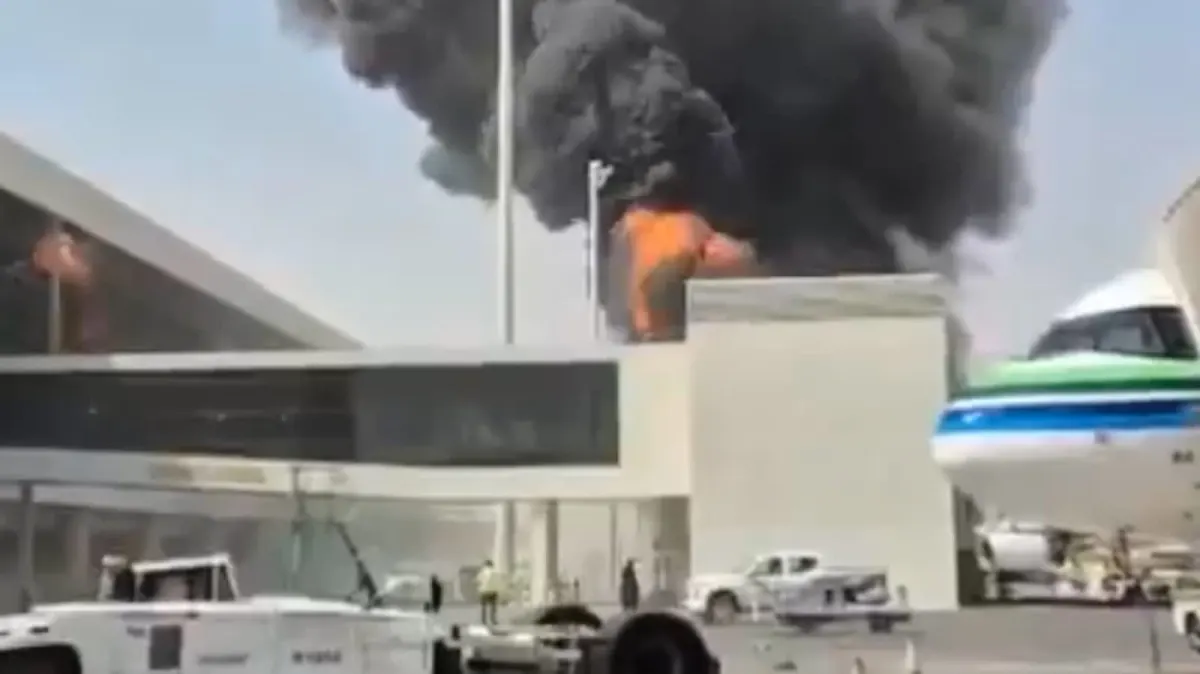
Riyadh Airport Operations Halted After Houthi Missile Strike
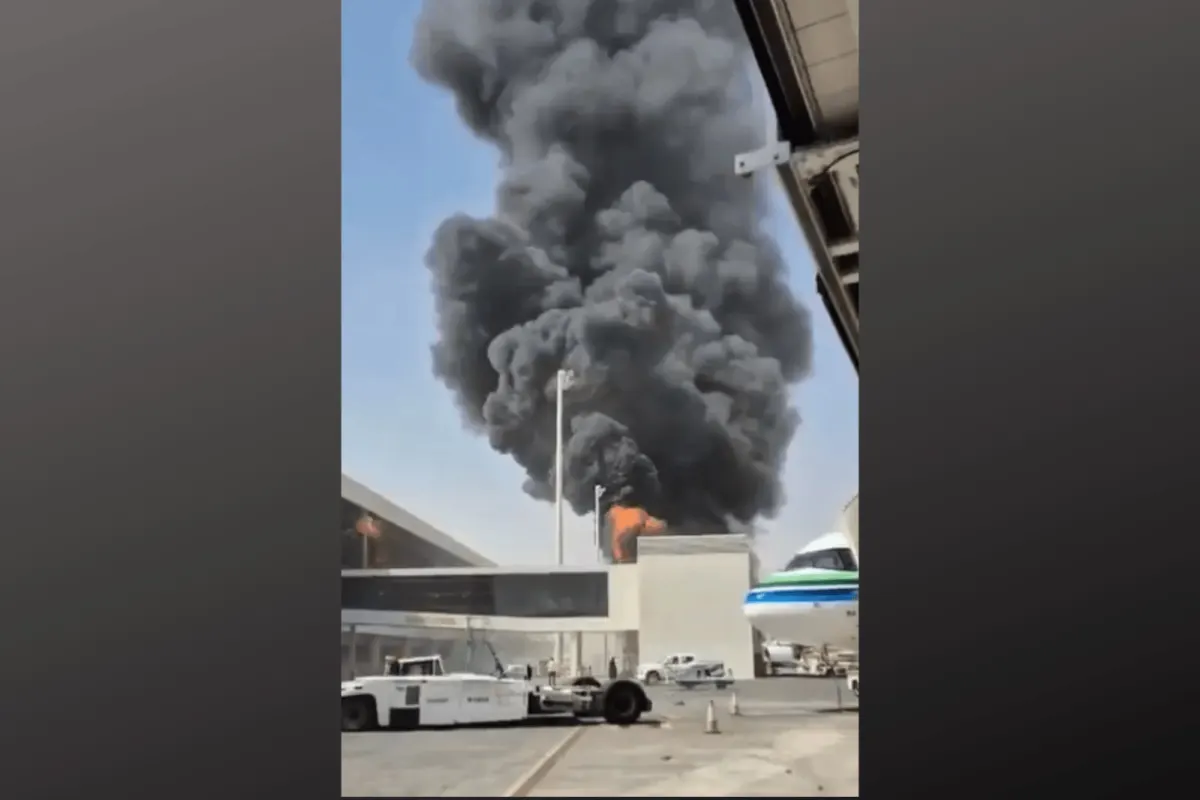
Riyadh Airport Struck by Missile; Hundreds of Flights Cut
Riyadh Airport Attack: 12 Killed, Operations Halted at RUH
