Riyadh Air Sets July 1 Launch for Boeing 787-9 Flights

Co-Founder & CEOAviation News Editor delivering trusted coverage across the global aviation industry.
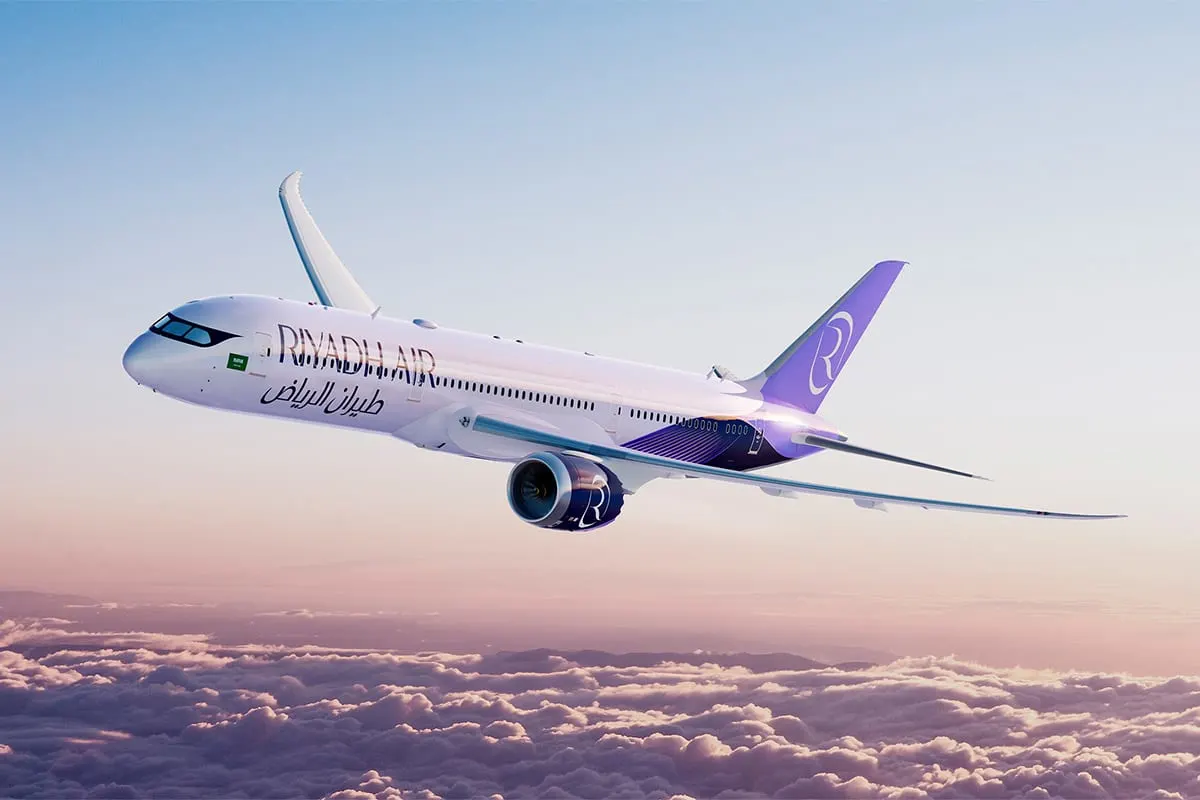
Riyadh Air will begin its first commercial flights on July 1, 2026, using its own Boeing 787-9 aircraft on the Riyadh to London Heathrow route.
Key Takeaways
- •Riyadh Air will launch its first commercial flights on July 1, 2026.
- •The inaugural route is Riyadh to London Heathrow using a Boeing 787-9.
- •The airline has 39 firm orders for the Boeing 787-9 Dreamliner.
- •The launch is a key component of Saudi Arabia's Vision 2030 economic plan.
Saudi Arabia's new national carrier, Riyadh Air, has confirmed it will commence its first commercial passenger operations on July 1, 2026. The inaugural flight will utilize the airline's first factory-fresh Boeing 787-9 Dreamliner on the key route between Riyadh and London. This Riyadh Air commercial launch is a cornerstone of Saudi Arabia Vision 2030, a national strategy to diversify the economy and establish the kingdom as a global aviation hub.
The launch marks a significant milestone for the airline, which is wholly owned by Saudi Arabia's Public Investment Fund (PIF). The carrier aims to connect the Saudi capital to over 100 destinations globally by 2030, leveraging a modern, fuel-efficient fleet. According to an official PIF press release, the airline's establishment is projected to add $20 billion to the country's non-oil GDP and create approximately 200,000 jobs by the same year. The choice of London Heathrow for its first route underscores the airline's ambition to compete on high-demand, premium-heavy international corridors from day one.
Regulatory Path to Launch
Before its commercial debut, Riyadh Air navigated a series of critical regulatory and operational hurdles. The airline officially received its Air Operator Certificate (AOC) from the Saudi General Authority of Civil Aviation (GACA) in April 2025. According to a GACA statement, this certification followed an extensive preparation phase that included over 200 hours of test flights to demonstrate operational safety and readiness.
To secure its valuable slots at London Heathrow Airport (LHR), one of the world's most congested airports, Riyadh Air implemented a proactive strategy. The airline operated flights using a wet-leased Oman Air Boeing 787 for several months prior to its official launch. This practice, often referred to as 'slot-saving', was necessary to comply with the strict 80/20 usage rules mandated by coordinators like Airport Coordination Limited (ACL). These regulations require airlines to use their allocated slots at least 80% of the time to retain them for the next season, a common practice for new entrants at slot-constrained hubs.
Strategic Fleet and Network
The foundation of Riyadh Air's long-haul strategy is its significant investment in the Boeing 787-9 Dreamliner. The airline has placed a firm order for 39 aircraft, with options for an additional 33, as detailed in Boeing's official order disclosures. This fleet choice provides the range and capacity for direct flights to Europe, Asia, and North America from its hub at King Khalid International Airport (RUH).
Riyadh Air CEO Tony Douglas has characterized the upcoming launch as a pivotal moment for the kingdom's economic vision, highlighting direct UK-Saudi connectivity as a central pillar of the airline's initial network strategy. This sentiment is echoed by PIF Governor Yasir Al-Rumayyan, who has framed the 787 fleet acquisition as a foundational step in transforming Saudi Arabia into a premier global transportation and logistics hub.
The airline's emergence introduces a new dynamic to the Gulf aviation market. For Boeing, the order provides a crucial boost to the 787 program backlog. However, for established carriers, the impact is more complex. British Airways now faces a new, well-capitalized competitor on the lucrative London-Riyadh route, while the existing national carrier, Saudia, is expected to undergo a strategic realignment, focusing its primary international operations from Jeddah as Riyadh Air takes prominence in the capital.
Industry Context and Competition
Riyadh Air's launch is part of a broader trend of Middle East Aviation Hub Expansion, specifically driven by Saudi Arabia's Vision 2030. The kingdom aims to handle 330 million passengers annually by 2030, directly competing with established hubs in Dubai (Emirates) and Doha (Qatar Airways). The strategy mirrors the rapid, state-backed fleet and network growth seen during the initial launch of Etihad Airways in 2003, which fundamentally altered regional aviation dynamics by establishing a second major hub in the UAE.
However, this aggressive expansion is not without its critics. Some European legacy carriers have raised concerns about market distortion from state-subsidized competition, which could lead to overcapacity on key long-haul routes. Furthermore, environmental advocacy groups have questioned the practice of operating 'slot-saver' flights with leased aircraft, arguing it contradicts industry-wide commitments to reduce unnecessary carbon emissions.
Boeing 787-9 vs. Airbus A350-900: Key Specifications
| Metric | Boeing 787-9 | Airbus A350-900 |
|---|---|---|
| Capacity | 296 passengers | 315 passengers |
| Range | 7,565 nmi | 8,300 nmi |
| Engine | GEnx-1B/Trent 1000 | Trent XWB |
Technical Analysis
The launch of Riyadh Air represents a calculated and well-capitalized entry into the global long-haul market. By securing a large, uniform fleet of modern widebody aircraft and proactively locking down essential infrastructure like Heathrow slots, the airline is bypassing many of the incremental growth pains that challenge smaller startups. The strategy follows the established playbook of Gulf super-connectors: leverage geographic position, state-of-the-art aircraft, and significant government investment to capture a substantial share of East-West transit traffic. The airline's timing coincides with global supply chain challenges that have delayed aircraft deliveries for competitors, potentially giving Riyadh Air a slight advantage in deploying new capacity as international travel demand continues to recover and expand. This development accelerates the ongoing shift of aviation's strategic center of gravity towards the Middle East.
What Comes Next
Following the confirmed inaugural flight on July 1, 2026, Riyadh Air is expected to rapidly expand its route network as more Boeing 787-9 aircraft are delivered. The airline is also slated to begin receiving narrowbody aircraft, including the Airbus A321neo, in the 2026-2027 timeframe, which will enable the development of its regional and medium-haul network.
Why This Matters
For the aviation industry, Riyadh Air's launch is more than just a new airline; it is the primary aviation pillar of a G20 nation's multi-trillion-dollar economic transformation plan. It introduces a formidable new competitor on the world's most contested long-haul routes and forces a strategic re-evaluation for legacy carriers in Europe and Asia. For travelers, it promises increased connectivity to Saudi Arabia and a new option for global transit, intensifying competition on price and service in the Middle East.
Frequently Asked Questions
- When will Riyadh Air start its first commercial flights?
- Riyadh Air is confirmed to begin its first commercial passenger flights on July 1, 2026. The inaugural route will be from King Khalid International Airport (RUH) in Riyadh to London Heathrow Airport (LHR).
- What aircraft will Riyadh Air use for its launch?
- The airline will launch operations using its own factory-fresh Boeing 787-9 Dreamliner aircraft. Riyadh Air has placed 39 firm orders for the 787-9, with options for an additional 33 jets.
- Why did Riyadh Air operate flights before its official launch date?
- Riyadh Air operated flights using a leased Oman Air Boeing 787 to comply with the strict 80/20 slot usage rule at London Heathrow. This ensured the new airline could retain its valuable, pre-allocated landing and takeoff slots before its own aircraft were delivered and certified for commercial service.
Get breaking commercial aviation news and expert airline analysis at omniflights.com. For reporting on UAP sightings, investigations, and aviation-related encounters, see the UAPs section at omniflights.com/uaps.
Written by Hardik Vishwakarma
Co-Founder & Aviation News Editor leading initiatives that improve trust and visibility across the global aviation industry. Covers airlines, airports, safety, and emerging technology.
Visit ProfileYou Might Also Like
Discover more aviation news based on similar topics
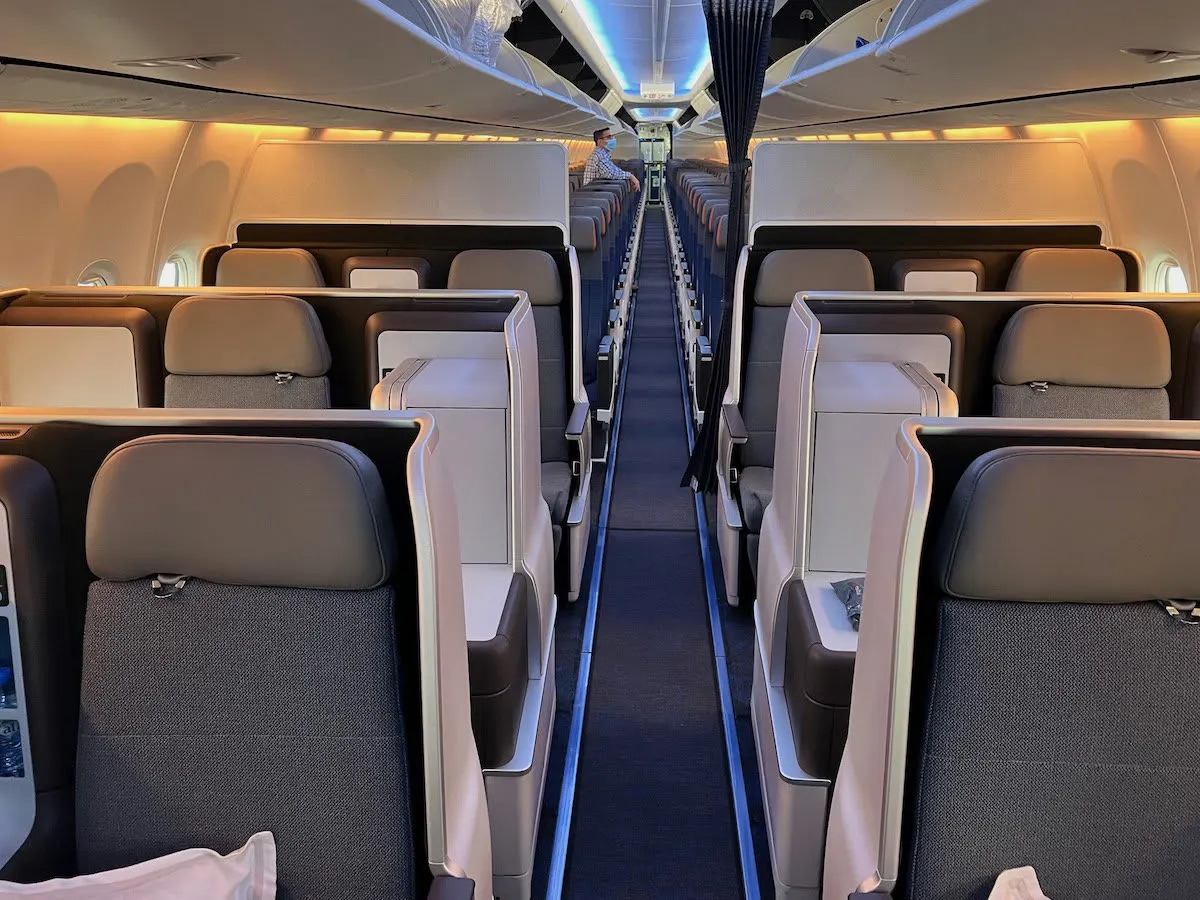
Flydubai Upgrading 21 Boeing 737 MAX 8s to Flat Bed Seats
Flydubai is retrofitting 21 Boeing 737 MAX 8 aircraft with lie-flat business class seats to standardize its premium product by late 2027.
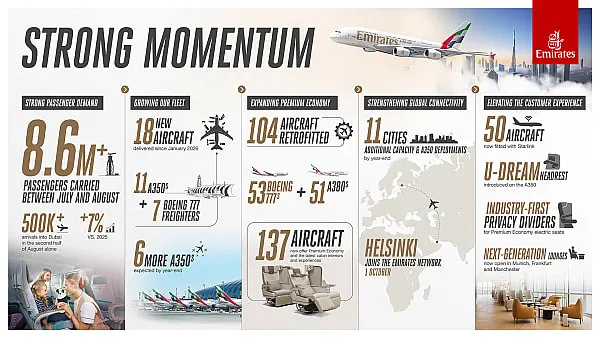
Emirates Winter Booking Momentum Grows Amid Fleet Expansion
Emirates carried 8.6 million passengers this summer and enters winter with strong demand as it accelerates fleet retrofits and network growth.

Air Arabia Consortium Gains AOC for New Dammam Budget Airline
A Saudi GACA-led consortium including Air Arabia has secured an AOC to launch a new budget airline based at Dammam's King Fahd International Airport.
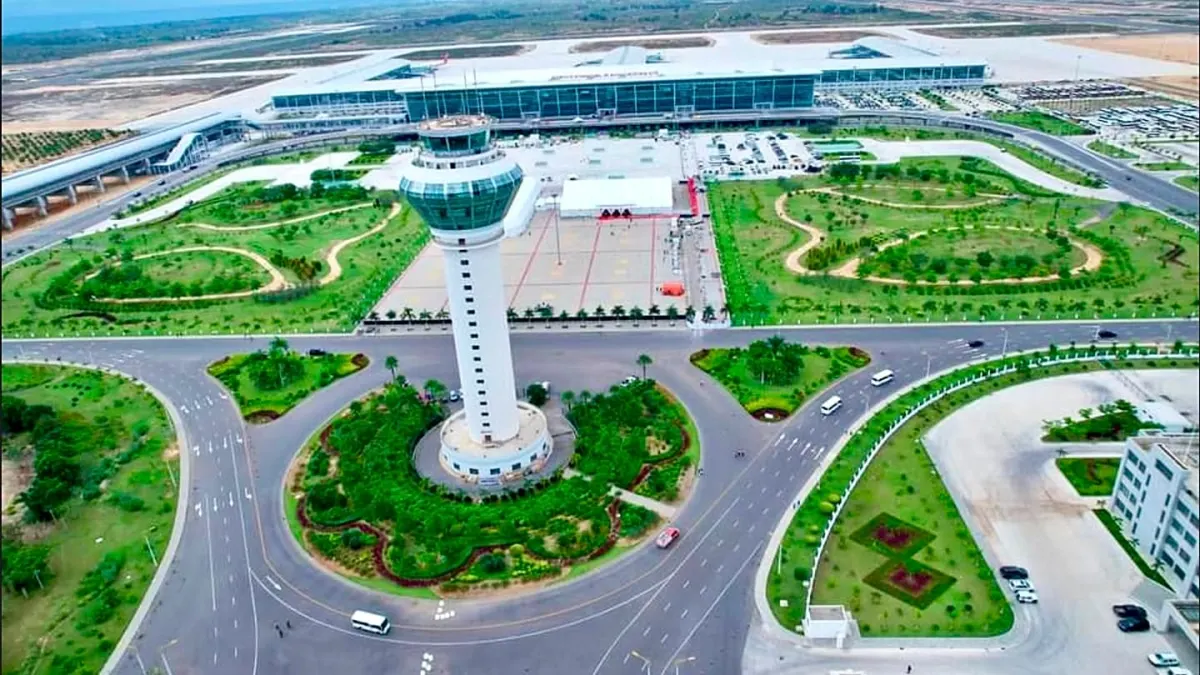
Turkish Airlines Exits Luanda as Angola Hub Struggles
Turkish Airlines dropped its Luanda route as Angola's new airport struggles to attract traffic, handling only 756,028 passengers in 2025.

Red Sea Airlines Leases Two 737 MAX 8s for 2027 Expansion
Red Sea Airlines signed a lease for two Boeing 737 MAX 8 aircraft from SMBC Aviation Capital, arriving in 2027 to support its 14-aircraft fleet goal.
Avelo CEO Warns Airfares May Rise on Jet Fuel Price Spikes
Avelo Airlines CEO Andrew Levy warns that rising fuel costs may force fare increases as global jet fuel prices reach $171.01 per barrel.