Riyadh Air Clears DOT Approval for US-Saudi 787-9 Flights

Co-Founder & CEOAviation News Editor delivering trusted coverage across the global aviation industry.

Riyadh Air secured US DOT approval for flights to the United States, utilizing a fleet of Boeing 787-9 aircraft to serve 22 global destinations by 2027.
Key Takeaways
- •DOT granted Riyadh Air authority for US-Saudi flight operations.
- •Riyadh Air holds 39 firm orders for Boeing 787-9 aircraft.
- •The airline targets 22 global destinations by March 2027.
- •US service launch is expected between late 2026 and 2027.
Regulatory Milestone for Saudi Arabia's New Flag Carrier
Riyadh Air has received crucial Riyadh Air DOT approval from the United States Department of Transportation (DOT) to begin operating flights between Saudi Arabia and the United States. This foreign air carrier permit process, finalized through an order issued on June 16, 2026, grants the airline the necessary economic authority to conduct scheduled and charter passenger, cargo, and mail services. The US Federal Rulemaking Portal confirms that the Federal Aviation Administration (FAA) raised no objections to the application, clearing a significant path for the carrier’s North American expansion.
Strategic Growth and Fleet Integration
Wholly owned by the Public Investment Fund (PIF), Riyadh Air serves as a cornerstone of the Saudi Vision 2030 initiative, which aims to transform the Kingdom into a global aviation hub. The airline, led by CEO Tony Douglas, has placed 39 firm orders and holds 33 options for the Boeing 787-9 operations platform. According to the manufacturer's official specifications, the 787-9 provides the range and efficiency required for long-haul transatlantic routes. The airline expects to expand its active fleet to eight aircraft by the end of July 2026, supporting a broader goal of serving 22 global destinations by March 2027.
Stakeholder Impact and Market Competition
For Delta Air Lines, the approval signals a deepening of a strategic partnership, offering exclusive connectivity within Saudi Arabia while granting Riyadh Air access to the North American market. However, the entry of a well-funded, state-backed carrier introduces new competitive pressure for existing Gulf carriers such as Emirates and Qatar Airways. While Riyadh Air leadership remains optimistic, some aviation industry analysts have raised concerns regarding potential regional overcapacity if the market does not grow as rapidly as the Kingdom’s aggressive tourism targets suggest.
Historical Precedents and Industry Context
This expansion follows a trajectory similar to the mid-2000s rise of Etihad Airways, which also utilized a state-backed model to establish a major long-haul network from the Gulf. Current Riyadh Air CEO Tony Douglas previously navigated similar growth phases, providing the carrier with significant institutional experience. The current regulatory exemption is valid for two years or until the foreign air carrier permit becomes final, providing the airline a stable window to initiate its US-Saudi flights.
Technical Analysis: The 787-9 Capability
The selection of the Boeing 787-9 aligns with the airline's strategy to balance seat capacity with long-range fuel efficiency. As the airline scales toward its goal of serving over 100 destinations by 2030, the 787-9 serves as the workhorse for initial hub-to-hub connectivity. The following table highlights how the 787-9 compares to other common long-haul aircraft in the region.
Boeing 787-9 vs Airbus A350-900: Key Specifications
| Metric | Boeing 787-9 | Airbus A350-900 |
|---|---|---|
| Range | 7,565 nmi | 8,300 nmi |
| Typical Seating (2-class) | 296 | 315-325 |
Timeline for US Service Launch
Riyadh Air is currently tracking several key milestones as it prepares for its North American debut. The carrier expects to reach an active fleet of eight Boeing 787-9 aircraft by July 2026. Following this, the airline plans to initiate scheduled passenger flights to the United States in late 2026 or early 2027. By March 2027, the carrier intends to have its network expanded to 22 global destinations, marking the first phase of its long-term growth strategy.
Why This Matters for Transatlantic Connectivity
The DOT approval is more than a routine regulatory filing; it validates the operational readiness of a new global carrier. For travelers, it signals the arrival of new premium capacity on routes between North America and the Middle East. For the industry, the move tests whether the Saudi market can successfully support a third major Gulf hub-and-spoke operator in an increasingly competitive long-haul environment.
Frequently Asked Questions
- What aircraft will Riyadh Air use for its US-Saudi routes?
- Riyadh Air plans to operate these routes using the Boeing 787-9 Dreamliner, for which it has placed 39 firm orders.
- When does Riyadh Air expect to begin US service?
- The airline is expected to launch scheduled passenger flights to the United States between late 2026 and 2027.
For global airline trends and commercial aviation news, turn to omniflights.com. Discover how innovation is shaping aviation through aircraft systems, avionics, and digital tools at omniflights.com/technology.
Written by Hardik Vishwakarma
Co-Founder & Aviation News Editor leading initiatives that improve trust and visibility across the global aviation industry. Covers airlines, airports, safety, and emerging technology.
Visit ProfileYou Might Also Like
Discover more aviation news based on similar topics
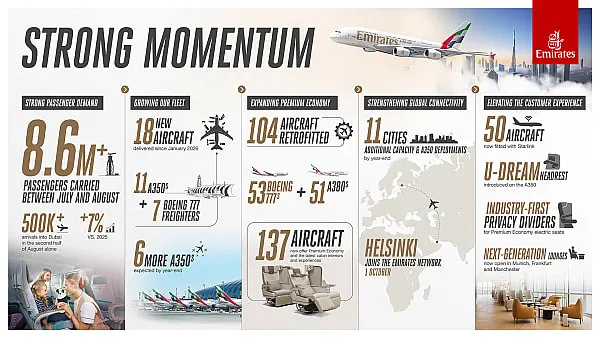
Emirates Winter Booking Momentum Grows Amid Fleet Expansion
Emirates carried 8.6 million passengers this summer and enters winter with strong demand as it accelerates fleet retrofits and network growth.
Air Arabia Consortium Gains AOC for New Dammam Budget Airline
A Saudi GACA-led consortium including Air Arabia has secured an AOC to launch a new budget airline based at Dammam's King Fahd International Airport.

Turkish Airlines Exits Luanda as Angola Hub Struggles
Turkish Airlines dropped its Luanda route as Angola's new airport struggles to attract traffic, handling only 756,028 passengers in 2025.

Red Sea Airlines Leases Two 737 MAX 8s for 2027 Expansion
Red Sea Airlines signed a lease for two Boeing 737 MAX 8 aircraft from SMBC Aviation Capital, arriving in 2027 to support its 14-aircraft fleet goal.
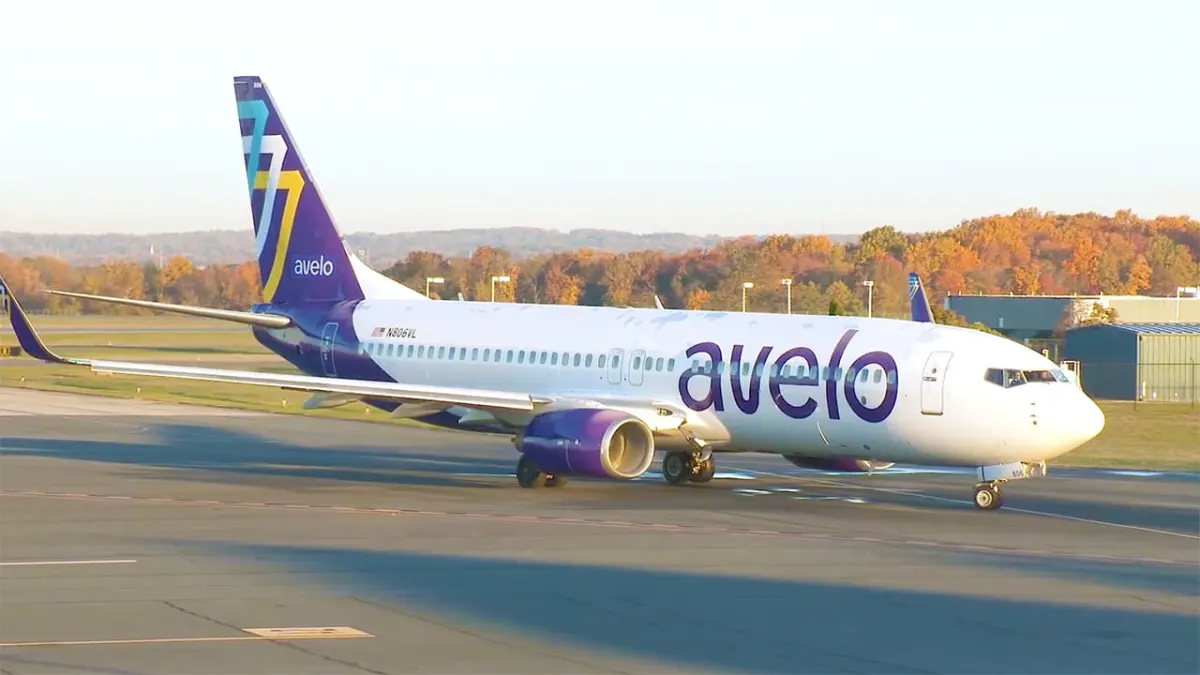
Avelo CEO Warns Airfares May Rise on Jet Fuel Price Spikes
Avelo Airlines CEO Andrew Levy warns that rising fuel costs may force fare increases as global jet fuel prices reach $171.01 per barrel.
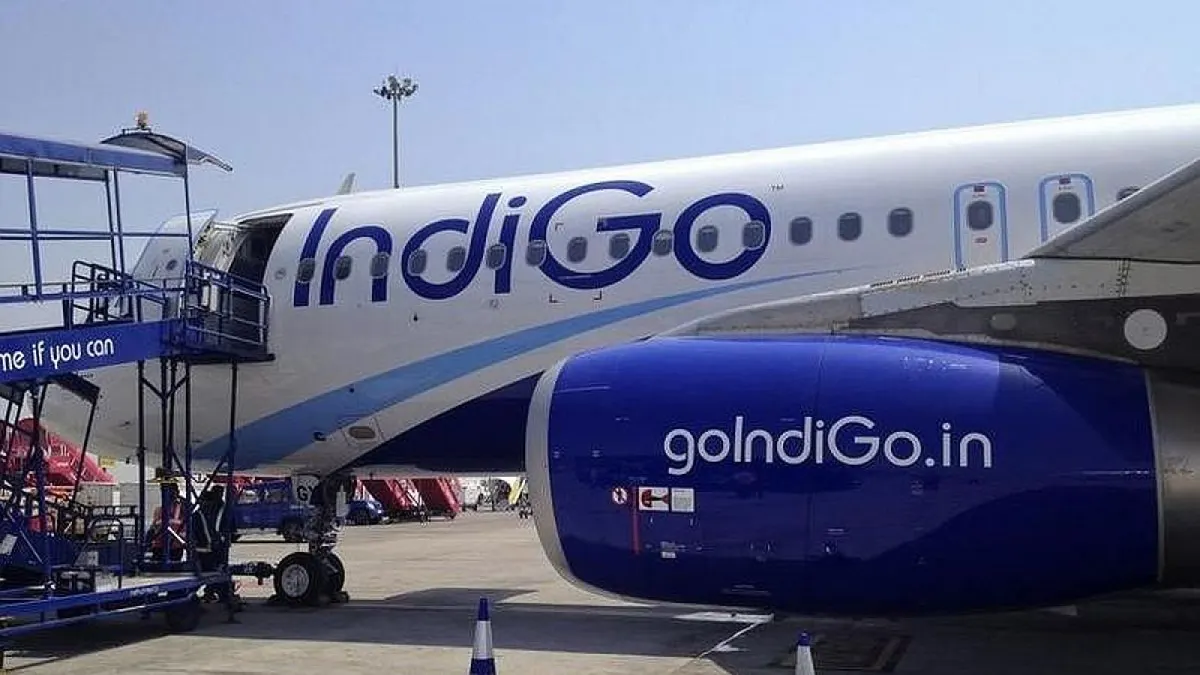
IndiGo, Air India Battle for Mumbai-Delhi Route Dominance
IndiGo and the Air India group are competing for dominance on the Mumbai-Delhi air route, which saw 13.9 percent capacity growth this September.