Rep. Burchett Urges Trump to Declassify UAP Files After Pledge

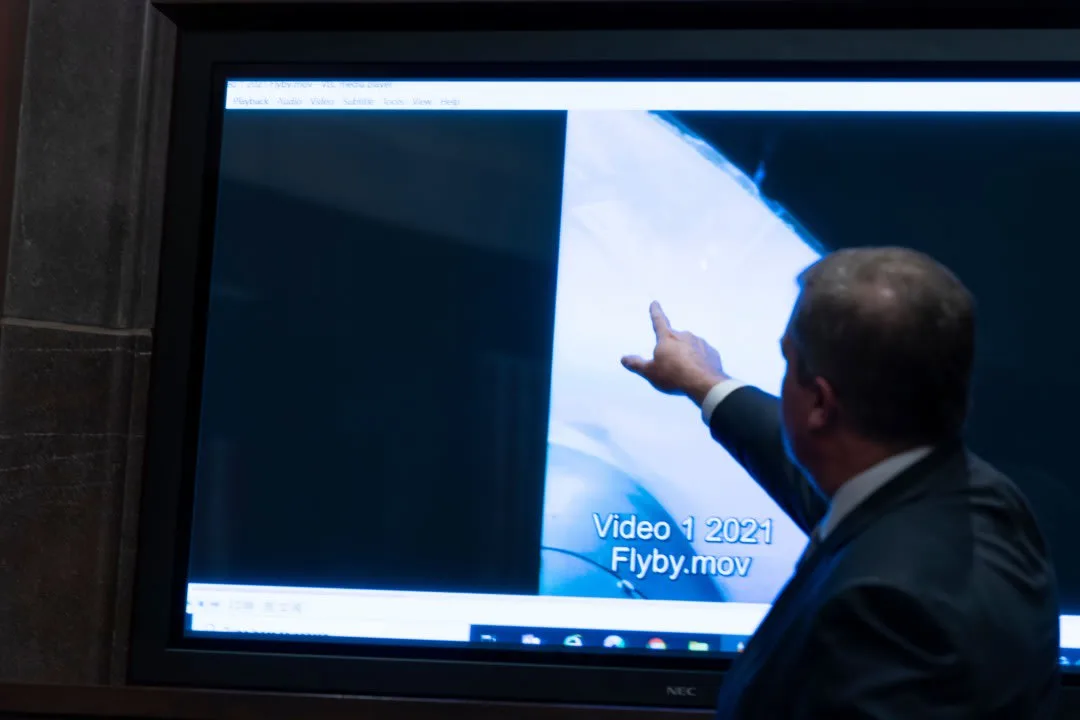
Rep. Tim Burchett urges President Trump to release classified UAP files, citing a presidential pledge and ongoing congressional pressure for disclosure.
Key Takeaways
- •Urges President Trump to fulfill his February 2026 pledge for UAP file declassification.
- •Cites whistleblower testimony from David Grusch alleging secret crash retrieval programs.
- •Highlights ongoing DoD investigations by AARO, which has reviewed over 1,600 cases.
- •Connects the UAP issue to national airspace security and government transparency.
Representative Tim Burchett (R-TN) has publicly called on President Donald Trump to fulfill his pledge to declassify government records on Unidentified Anomalous Phenomena (UAPs). During a weekend appearance on Fox News, the congressman emphasized that the core issue is government transparency, reiterating his belief that the American public can handle the truth about what the government knows.
The call to action follows a pledge made by President Trump in February 2026 to direct government agencies to identify and release files related to UAPs and potential extraterrestrial life. Burchett's pressure is part of a broader, bipartisan congressional effort to increase oversight of how the Department of Defense (DoD) and the intelligence community handle UAP data. This effort gained significant momentum following a July 2023 House Oversight subcommittee hearing where former intelligence official David Grusch provided testimony. Grusch, who previously served at the National Geospatial-Intelligence Agency (NGA), stated under oath that he was informed of a "multi-decade UAP crash retrieval and reverse engineering program" that was illegally withheld from congressional oversight.
Pentagon Investigations and Data
The formal body tasked with investigating these sightings is the All-domain Anomaly Resolution Office (AARO), established under the National Defense Authorization Act (NDAA) for Fiscal Year 2023. AARO's mandate is to document, analyze, and resolve UAP reports from military personnel and other government sources. According to its Fiscal Year 2024 Consolidated Annual Report, AARO's work is expanding significantly.
The report disclosed that AARO received 757 new UAP reports between May 1, 2023, and June 1, 2024. This brought the total number of cases reviewed by the office to over 1,600 since its inception. Of the new cases, 292 were resolved and categorized as common or naturally occurring phenomena, such as balloons, drones, or sensor anomalies. However, a large number of cases remain unresolved. The DoD maintains that AARO has found no verifiable evidence to substantiate claims of extraterrestrial technology or secret reverse-engineering programs.
Historical Precedent and Airspace Security
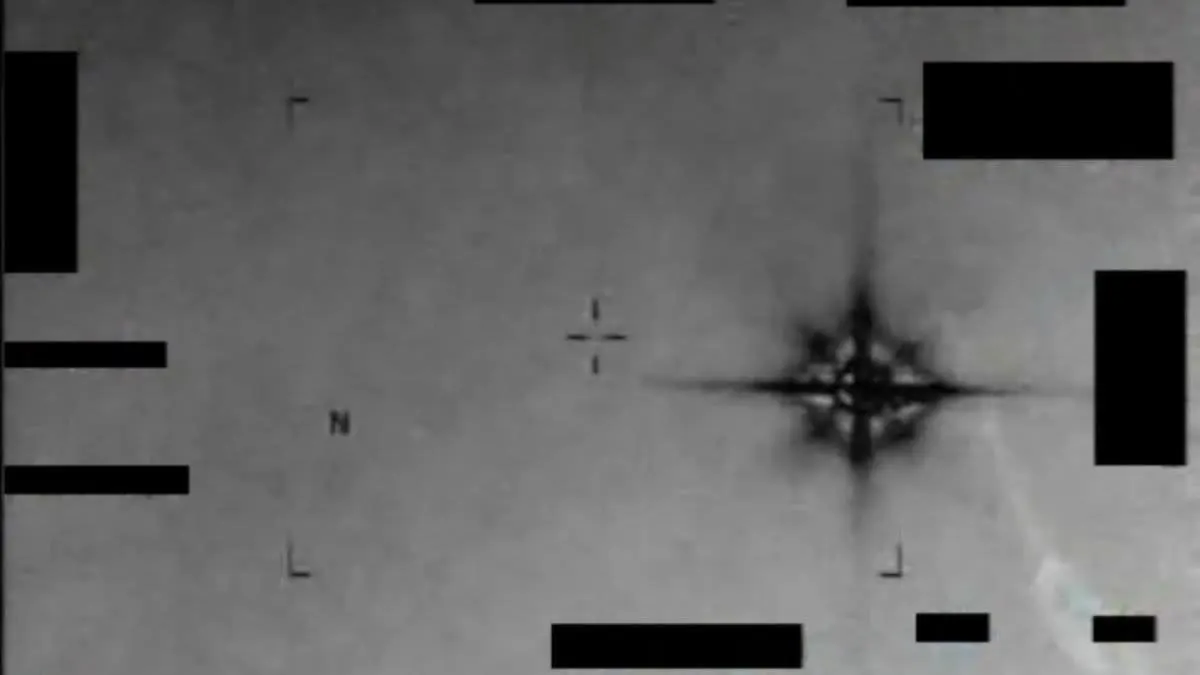
This modern push for disclosure has historical parallels. The most notable predecessor was Project Blue Book, a U.S. Air Force study that investigated over 12,000 UFO reports between 1952 and 1969 before concluding there was no threat to national security. More recently, the declassification and official release of three Navy videos between 2017 and 2020—codenamed FLIR, GOFAST, and GIMBAL—confirmed the existence of unexplained objects encountered by military aviators and directly led to the current era of congressional inquiry.
The UAP issue is increasingly viewed through the lens of national security and airspace domain awareness. Experts note that many UAP reports highlight vulnerabilities in tracking uncrewed aerial systems (UAS) over sensitive airspace. This concern is underscored by recent drone incursions at facilities like Langley Air Force Base. Concurrently, new legislative protections and formal reporting channels through AARO have encouraged more commercial and military pilots to report sightings without fear of professional reprisal, a trend known as the destigmatization of pilot reporting.
What Comes Next
The primary focus now shifts to the executive branch. Following President Trump's pledge, a formal Executive Order on UAP Declassification is expected sometime in 2026. Such an order would compel the DoD and other intelligence agencies to accelerate their review and release of classified materials. However, officials within the defense community have raised concerns that a broad declassification could inadvertently expose sensitive U.S. sensor capabilities and intelligence-gathering methods to foreign adversaries.
Meanwhile, AARO will continue its investigation and is mandated to provide annual unclassified reports to Congress. The political pressure from lawmakers like Burchett, coupled with whistleblower testimony from individuals like Grusch, places significant strain on the Pentagon and intelligence community to provide more substantive answers. Aerospace and defense contractors could also face increased scrutiny over any alleged involvement in undisclosed programs.
Why This Matters
This ongoing political and regulatory pressure signals a fundamental shift in how the U.S. government addresses Unidentified Anomalous Phenomena. The debate has moved from fringe speculation to a serious matter of congressional oversight, government transparency, and national security. The outcome could lead to historic disclosures about what is flying in restricted airspace and force a re-evaluation of potential threats to both military and commercial aviation.
Frequently Asked Questions
- What is Rep. Tim Burchett asking President Trump to do about UFOs?
- Rep. Tim Burchett is urging President Trump to follow through on his February 2026 pledge to declassify and release government files concerning Unidentified Anomalous Phenomena (UAPs), often referred to as UFOs.
- Who is David Grusch and what did he claim about UAPs?
- David Grusch is a former intelligence official who testified before a House Oversight subcommittee in July 2023. He claimed under oath that he was informed of a secret, multi-decade U.S. government program to retrieve and reverse-engineer crashed non-human craft.
- What is the Pentagon's AARO and what has it found?
- AARO, the All-domain Anomaly Resolution Office, is the DoD's office for investigating UAPs. According to its FY2024 report, it has reviewed over 1,600 cases and resolved 292 new reports as common objects or natural phenomena, finding no verifiable evidence of extraterrestrial technology.
From airline operations to fleet updates, commercial aviation news lives at omniflights.com. Track policy changes, airspace rules, and global aviation governance in the Regulatory category at omniflights.com/regulatory.

Written by Hardik Vishwakarma
Co-Founder & Aviation News Editor leading initiatives that improve trust and visibility across the global aviation industry. Covers airlines, airports, safety, and emerging technology.
Visit ProfileYou Might Also Like

Trump Orders Release of 161 Declassified UAP Files
DOE Agent Death Sparks UAP Whistleblower Questions
Researcher Claims 4 Alien Species Recovered; Pentagon Denies

Declassified FBI Files Detail Nazi Saucer Claims

Apollo 17 UAP Encounter Detailed in Declassified Files