Qatar Airways Increases Doha-Dubai Flights to 5 Daily

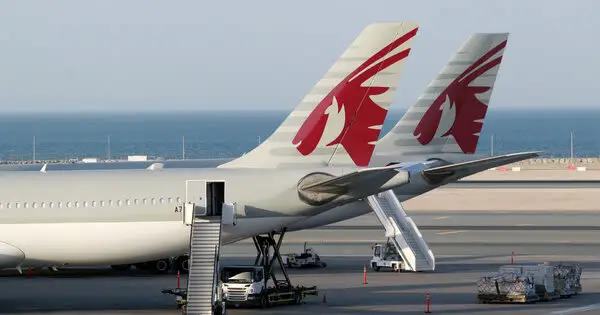
Qatar Airways is increasing its Doha-Dubai route capacity to 35 weekly flights to meet growing demand between the two regional hubs.
Key Takeaways
- •Qatar Airways increases Doha-Dubai service to five daily flights.
- •Route will reach 35 weekly flights during summer 2026.
- •Boeing 777 and Airbus A350 widebodies serve the short-haul route.
- •Fourth daily frequency launches on June 15, 2026.
Qatar Airways Expands Regional Connectivity
Qatar Airways has announced a significant increase in capacity on the route between Hamad International Airport (DOH) and Dubai International Airport (DXB). The airline is expanding its service from two to five daily flights, marking a strategic effort to enhance Qatar UAE air connectivity. This phased rollout will ultimately result in 35 weekly flights, providing travelers with increased flexibility and frequency on this high-demand corridor.
Phased Frequency Increases
The expansion of the Doha to Dubai route is being implemented in stages throughout June and the summer season. The airline increased service to three daily flights effective June 5, 2026. A fourth daily frequency is scheduled for introduction on June 15, 2026, with the fifth daily flight expected to resume later in the summer. This schedule adjustment aligns with the airline's broader strategy to restore its network across the Middle East, which currently encompasses over 20 destinations. According to official Hamad International Airport data, this growth is supported by robust operational planning at both hubs.
Operational Strategy and Fleet Deployment
To manage the high passenger throughput, Qatar Airways is deploying its long-haul widebody fleet, specifically the Boeing 777 and Airbus A350, on the short-haul route. While narrowbody aircraft are common for regional hops, the use of widebodies allows the airline to maximize belly-cargo capacity and premium cabin availability. This operational trend is consistent with historical regional practices, where carriers like Emirates have successfully utilized larger aircraft to meet demand on short, slot-constrained routes. Official oversight of these operations is managed through Dubai Airports slot allocation processes.
Regulatory and Market Context
The ability to scale these services follows the Al Ula Declaration managed by the Gulf Cooperation Council (GCC), which remains the foundational diplomatic framework for current aviation relations in the region. Furthermore, the expansion operates within the established Bilateral Air Service Agreements between the Qatar Civil Aviation Authority (QCAA) and the UAE General Civil Aviation Authority (GCAA).
Boeing 777-300ER vs Airbus A350-900: Key Specifications
| Metric | Boeing 777-300ER | Airbus A350-900 |
|---|---|---|
| Typical Capacity | ~396 seats | ~300-350 seats |
| Range | 7,370 nmi | 8,100 nmi |
| Engine Type | GE90 | Rolls-Royce Trent XWB |
The Strategic Rationale for Widebody Utilization
The deployment of long-haul widebody aircraft on a flight lasting approximately one hour serves as a buffer against capacity constraints at both DOH and DXB. By consolidating demand into fewer, larger-gauge movements, the airline maintains its market presence without requiring additional slot clearances during peak hours. This move positions the carrier to capture a larger share of connecting transit traffic, which remains a core pillar of its business model. As the airline pushes toward a global network of over 160 destinations by the summer of 2026, the Doha-Dubai link serves as a critical feeder for its international long-haul services.
Upcoming Service Milestones
Following the June 5th increase, the next major milestone is the introduction of the fourth daily frequency on June 15, 2026. The final phase, the resumption of the fifth daily service, is expected to occur during the peak summer period. These additions are part of a broader network restoration effort that has already seen the airline resume services to Sharjah International Airport (SHJ) and Zayed International Airport (AUH) in recent months.
Why This Matters for Regional Aviation
For business travelers and transit passengers, the increased frequency reduces the friction of travel between the two major Gulf hubs. Competitors, including low-cost carriers, may face increased pressure on yields as the capacity on this route grows. Furthermore, the expansion underscores the ongoing recovery of the Middle East aviation market, reflecting a return to pre-blockade connectivity levels that prioritize high-frequency, high-capacity service patterns.
Frequently Asked Questions
- How many daily flights will Qatar Airways operate between Doha and Dubai?
- Qatar Airways is increasing its frequency on the Doha-Dubai route to five daily flights, resulting in a total of 35 weekly services.
- What aircraft does Qatar Airways use for the Doha-Dubai route?
- The airline utilizes its widebody fleet, including the Boeing 777 and Airbus A350, to operate the short-haul flights between Doha and Dubai.
Stay ahead of the airline industry with commercial aviation news from omniflights.com. Stay informed on aviation incidents, investigations, and best practices in the Safety category at omniflights.com/safety.

Written by Hardik Vishwakarma
Co-Founder & Aviation News Editor leading initiatives that improve trust and visibility across the global aviation industry. Covers airlines, airports, safety, and emerging technology.
Visit ProfileYou Might Also Like

Southwest Reports Record Q3 Revenue Amid Transformation
American Airlines Reports Record Q3 Revenue Amid Fuel Costs
American Airlines Projects 2026 Loss on Rising Fuel Costs
American Airlines to Nearly Triple Premium 787-9 Fleet

Airline Shares Rise Following United Revenue Guidance