Porter Airlines Addresses Catering Failure on Costa Rica to Toronto Flight

Co-Founder & CEOAviation News Editor delivering trusted coverage across the global aviation industry.
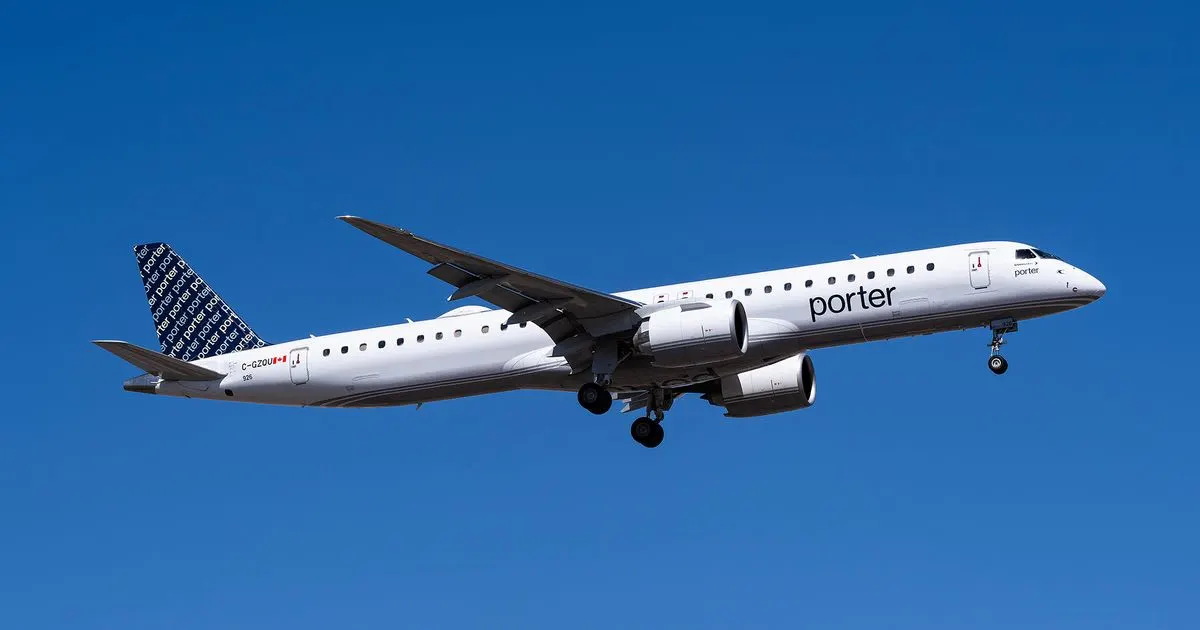
Porter Airlines confirmed a catering oversight on its Liberia-Toronto flight, leaving passengers without cutlery due to a round-trip provisioning error.
Key Takeaways
- •Acknowledged a catering failure on flight PD784 from Costa Rica to Toronto due to a cutlery shortage.
- •Identified round-trip provisioning, a cost-saving measure, as the root cause of the supply miscalculation.
- •Committed to proactively increasing the amount of cutlery carried on board to prevent future incidents.
- •Highlights the service risks airlines face when balancing operational efficiency with passenger experience.
An in-flight service issue on a Porter Airlines flight from Costa Rica to Toronto has highlighted the operational risks associated with certain airline catering strategies. The airline has acknowledged a catering failure aboard flight PD784 from Liberia to Toronto on March 19, 2026, which resulted in a shortage of cutlery for passengers during the nearly five-hour flight.
The incident occurred on the route connecting Daniel Oduber Quirós International Airport (LIR) in Liberia, Costa Rica, with Toronto Pearson International Airport (YYZ). Passengers reported being unable to consume certain meal items because no utensils were available. Porter Airlines confirmed the shortage was due to a miscalculation in its round-trip provisioning, a practice where an aircraft is stocked at its home base with supplies for both the outbound and return flights. This cost-saving measure, common on leisure routes to avoid reliance on outstation catering contracts, leaves little margin for error if the outbound segment consumes more supplies than anticipated.
Operational Details and Airline Response
The flight in question, PD784, covers a distance of 3,723 kilometers and is operated using a 132-seat Embraer E195-E2 aircraft. The Toronto-Liberia route is significant, with traffic exceeding 140,000 passengers annually, according to data from the Daniel Oduber Quirós International Airport Authority.
In a statement, a Porter Airlines representative addressed the oversight directly. "PD784 inadvertently had less cutlery onboard the aircraft than what is typically supplied," the spokesperson confirmed. The airline has committed to a swift corrective action, stating they are "proactively increasing the amount of cutlery that will be carried on board to better ensure we can provide a consistent experience."
While passengers experienced a service disruption, the incident does not fall under the specific compensation mandates of Canada's Air Passenger Protection Regulations (APPR). According to the Canadian Transportation Agency (CTA), which administers the rules, the APPR primarily governs standards of treatment during lengthy tarmac delays, cancellations, and denied boarding. Standard in-flight service quality, including catering inventory, is typically governed by an airline's terms of carriage rather than a strict federal penalty framework. More details can be found in the Air Passenger Protection Regulations Highlights.
Industry Context and Precedents
The Porter incident is not an isolated case of catering logistics affecting the passenger experience. The airline industry continually balances cost control with service delivery. The practice of double-catering is a key example, saving airlines significant expense but introducing vulnerabilities, as seen on flight PD784. This trend is coupled with a push for sustainability, where exact-provisioning helps reduce both food waste and aircraft weight, which in turn lowers fuel burn. However, this efficiency-driven approach can lead to inventory shortages if passenger consumption patterns deviate from forecasts.
A more dramatic example of a catering failure occurred in July 2023, when a systems failure with British Airways' caterer resulted in the airline serving passengers buckets of KFC on a long-haul flight to the Bahamas. This precedent demonstrates how fragile airline catering supply chains can be and the high-profile passenger dissatisfaction that can result from such failures.
Technical Analysis
This catering shortfall on flight PD784 serves as a case study in the operational trade-offs modern airlines face, particularly those like Porter expanding into new markets with efficient, new-generation aircraft. The decision to use round-trip provisioning is a calculated financial one, aimed at maximizing efficiency on routes where establishing a full-service catering contract may be cost-prohibitive. However, this incident reveals the direct impact of such back-office decisions on Porter's customer-facing brand, which is built on a premium economy service promise. For an airline operating the Embraer E195-E2, an aircraft designed for operational efficiency, the challenge lies in ensuring that cost-saving measures in one area, like catering, do not undermine the elevated service standard that differentiates it from low-cost competitors. The event suggests a need for airlines to build greater redundancy into their provisioning models, especially on longer international leisure routes where passenger expectations are high.
What Comes Next
Porter Airlines has confirmed that its primary corrective measure is already being implemented. The increase in on-board cutlery stock for round-trip catered flights is expected to take effect immediately in March 2026. This adjustment to its provisioning algorithms and load sheets aims to create a sufficient buffer to prevent a recurrence. The impact on catering suppliers at Toronto Pearson will be minimal, involving adjustments to inventory counts for specific routes.
Why This Matters
While a lack of cutlery is a minor issue in the context of overall flight safety and operations, it carries significant weight for an airline's brand perception. For Porter Airlines, which markets a refined and inclusive economy experience, such service failures can dilute its value proposition. The incident demonstrates that as airlines expand their networks and adopt lean operational strategies, every detail of the passenger journey—down to the availability of a fork—becomes a crucial touchpoint that can either reinforce or erode brand loyalty.
Get breaking commercial aviation news and expert airline analysis at omniflights.com. Follow aviation sustainability efforts, emissions research, and green initiatives in the Environmental section at omniflights.com/environmental.
Written by Hardik Vishwakarma
Co-Founder & Aviation News Editor leading initiatives that improve trust and visibility across the global aviation industry. Covers airlines, airports, safety, and emerging technology.
Visit ProfileYou Might Also Like
Discover more aviation news based on similar topics
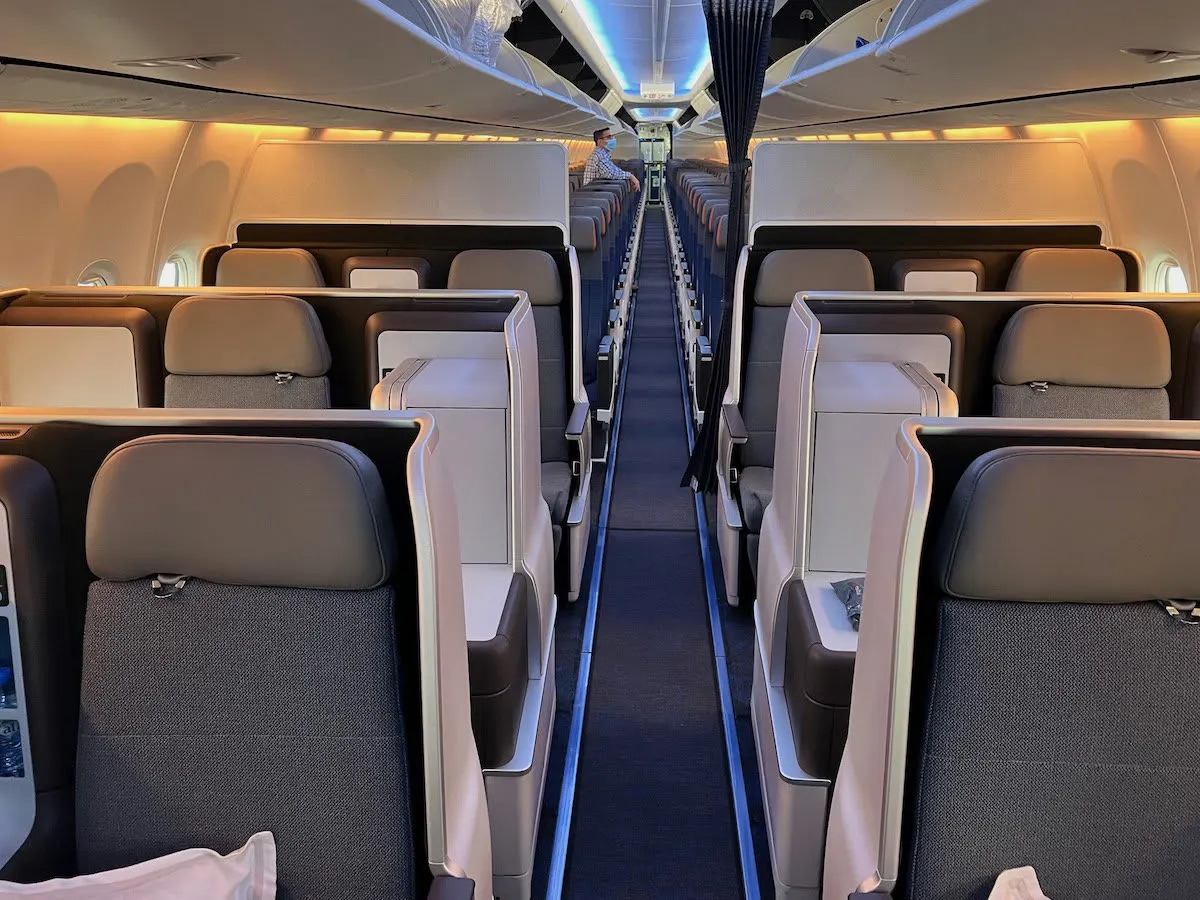
Flydubai Upgrading 21 Boeing 737 MAX 8s to Flat Bed Seats
Flydubai is retrofitting 21 Boeing 737 MAX 8 aircraft with lie-flat business class seats to standardize its premium product by late 2027.
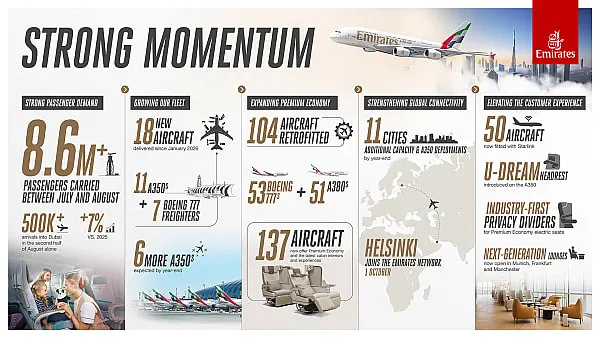
Emirates Winter Booking Momentum Grows Amid Fleet Expansion
Emirates carried 8.6 million passengers this summer and enters winter with strong demand as it accelerates fleet retrofits and network growth.
Air Arabia Consortium Gains AOC for New Dammam Budget Airline
A Saudi GACA-led consortium including Air Arabia has secured an AOC to launch a new budget airline based at Dammam's King Fahd International Airport.

Turkish Airlines Exits Luanda as Angola Hub Struggles
Turkish Airlines dropped its Luanda route as Angola's new airport struggles to attract traffic, handling only 756,028 passengers in 2025.
Red Sea Airlines Leases Two 737 MAX 8s for 2027 Expansion
Red Sea Airlines signed a lease for two Boeing 737 MAX 8 aircraft from SMBC Aviation Capital, arriving in 2027 to support its 14-aircraft fleet goal.
Avelo CEO Warns Airfares May Rise on Jet Fuel Price Spikes
Avelo Airlines CEO Andrew Levy warns that rising fuel costs may force fare increases as global jet fuel prices reach $171.01 per barrel.