Pittsfield Municipal Airport: A Century of Aviation Growth

Co-Founder & CEOAviation News Editor delivering trusted coverage across the global aviation industry.
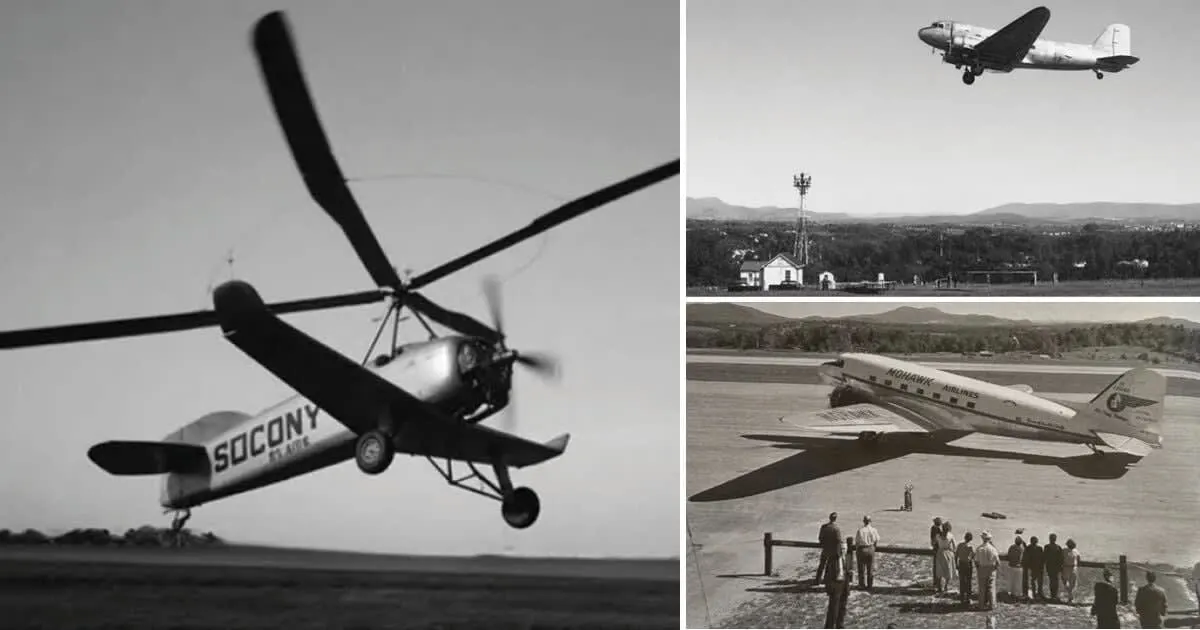
Pittsfield Municipal Airport has evolved from a 1931 barnstorming venue to a modern corporate facility with a 5,792-foot runway.
Key Takeaways
- •Pittsfield Municipal Airport opened in 1931 as a premier regional aviation hub.
- •The 2013 runway expansion to 5,792 feet cost $22.5 million for jet safety.
- •Airline deregulation in 1978 led to the end of scheduled passenger services.
- •KPSF now supports essential corporate, charter, and emergency medical flights.
The Evolution of Pittsfield Municipal Airport
Since its grand opening in June 1931, the Pittsfield Municipal Airport (KPSF) has served as a central hub for Berkshire County aviation. The facility has hosted a diverse array of aircraft and carriers over nearly a century, transforming from a grassroots project into a critical piece of regional infrastructure. Today, the airport supports corporate aviation, charter flights, and emergency medical operations, following a significant 2013 runway extension to 5,792 feet that allows for modern jet operations.
The Grand Opening and Early Innovation
In August 1929, the Pittsfield Airport Corp. initiated construction off Barker Road with an investment of $57,121. The 1931 opening event remains a landmark in local history, featuring stunt flying and the display of the SOCONY (Standard Oil Company of New York) autogyro. Notably, aviation pioneer Amelia Earhart set a world altitude record of 18,415 feet in a Pitcairn PCA-2 autogyro on April 8, 1931, highlighting the era's experimental spirit. The site quickly became a training ground for pilots and a venue for spectacular air shows.
The Rise and Fall of Passenger Service
Scheduled commercial service began in 1946 with Central New England Airways, followed by carriers such as Wiggins Airlines and Mohawk Airlines. These early operators utilized aircraft like the Douglas Commercial 3 (DC-3). However, the industry faced significant headwinds. According to the Civil Aeronautics Board (CAB), the Airline Deregulation Act of 1978 fundamentally shifted the market, encouraging carriers to prioritize hub-and-spoke networks. This structural change, combined with the closure of major local employers like General Electric, led to the eventual cessation of scheduled passenger flights in 1984.
Infrastructure and Regulatory Compliance
In 2013, the airport completed a major infrastructure project to meet Federal Aviation Administration (FAA) Runway Safety Area (RSA) standards. This project cost $22.5 million, with the city contributing $3.5 million and the remainder provided by federal and state grants. As noted in the FAA Airport Data and Information Portal, this expansion was essential to accommodate modern business aviation. While the project faced scrutiny from environmental groups concerned about local wetlands, the resulting runway length ensures the facility remains viable for corporate operators.
Technical Comparison: Aircraft Evolution
| Metric | Douglas DC-3 | Boeing 247 |
|---|---|---|
| Passengers | 21 to 32 | 10 |
| Range | ~1,500 miles | ~745 miles |
| Cruise Speed | 207 mph | 189 mph |
The Future of KPSF Operations
Looking ahead, the airport is expected to undergo the reconstruction of Taxiway A by 2026 to align with updated design standards established by the Federal Aviation Administration (FAA) and MassDOT Aeronautics. This ongoing investment reflects the airport's transition from a passenger hub to a specialized facility for corporate and general aviation. For the Berkshire region, the airport remains a vital link for business connectivity and emergency response, ensuring that the legacy of Pittsfield’s aviation history continues to support modern economic demands.
Frequently Asked Questions
- Why did scheduled passenger service end at Pittsfield Municipal Airport?
- Scheduled passenger service ended primarily due to the 1978 Airline Deregulation Act, which caused carriers to shift toward hub-and-spoke models, and the loss of major local employers like General Electric, which reduced business travel demand.
- What is the current runway length at Pittsfield Municipal Airport?
- Following a 2013 infrastructure project, the main runway at Pittsfield Municipal Airport was extended to a total length of 5,792 feet to accommodate larger jets and meet FAA safety regulations.
Stay ahead of the airline industry with commercial aviation news from omniflights.com. From aircraft production to supply chains, commercial aviation manufacturing news is covered at omniflights.com/manufacturing.
Written by Hardik Vishwakarma
Co-Founder & Aviation News Editor leading initiatives that improve trust and visibility across the global aviation industry. Covers airlines, airports, safety, and emerging technology.
Visit ProfileYou Might Also Like
Discover more aviation news based on similar topics
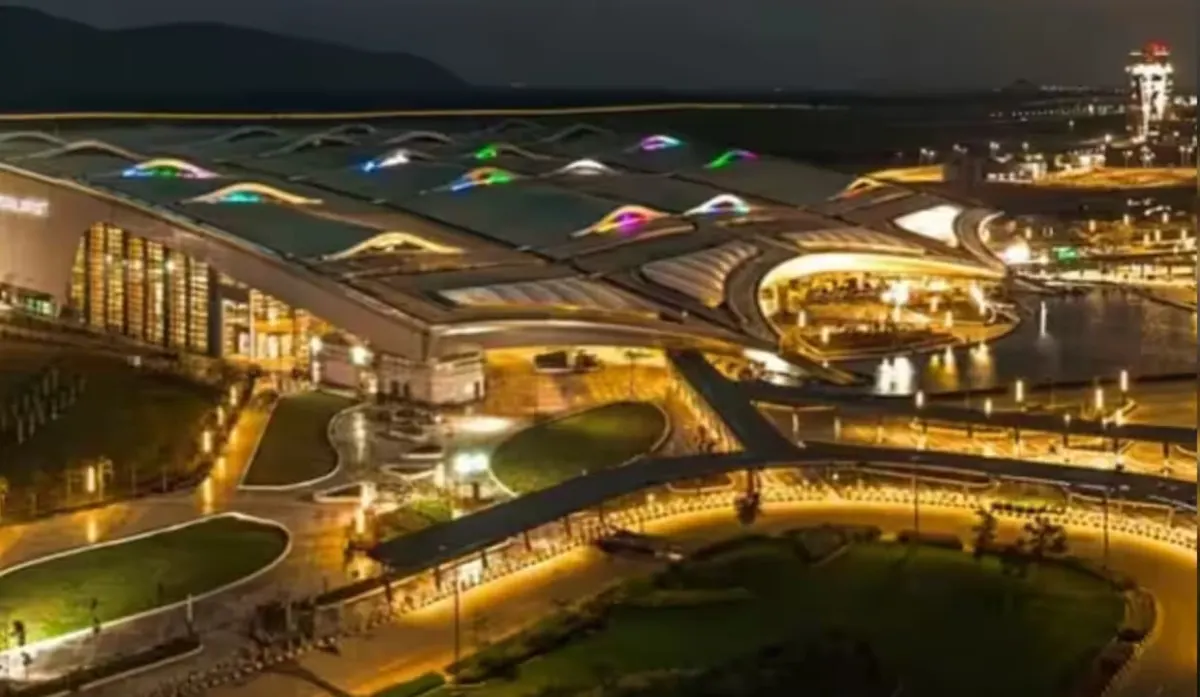
IndiGo Opens Commercial Flights at Bhogapuram
IndiGo launched the first commercial flight to the new Rs 5,700 crore Bhogapuram Airport, shifting civilian traffic from the old civil enclave.

Sydney Airport Master Plan 2045 Approved
The Australian government approved Sydney Airport's Master Plan 2045, enabling terminal integration to handle 72.6 million passengers by 2045.
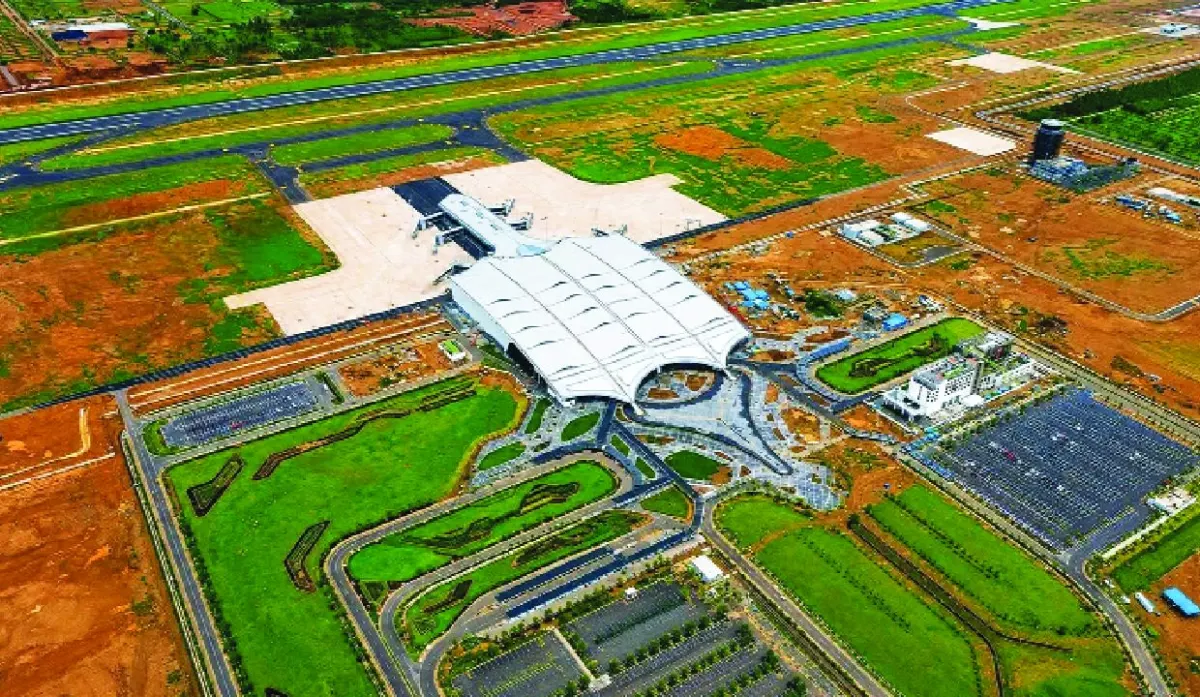
Visakhapatnam Airport Ends Commercial Flights for 30 Years
Visakhapatnam Airport ended scheduled commercial flights ahead of Bhogapuram's opening, triggering a 30-year moratorium on civil operations.
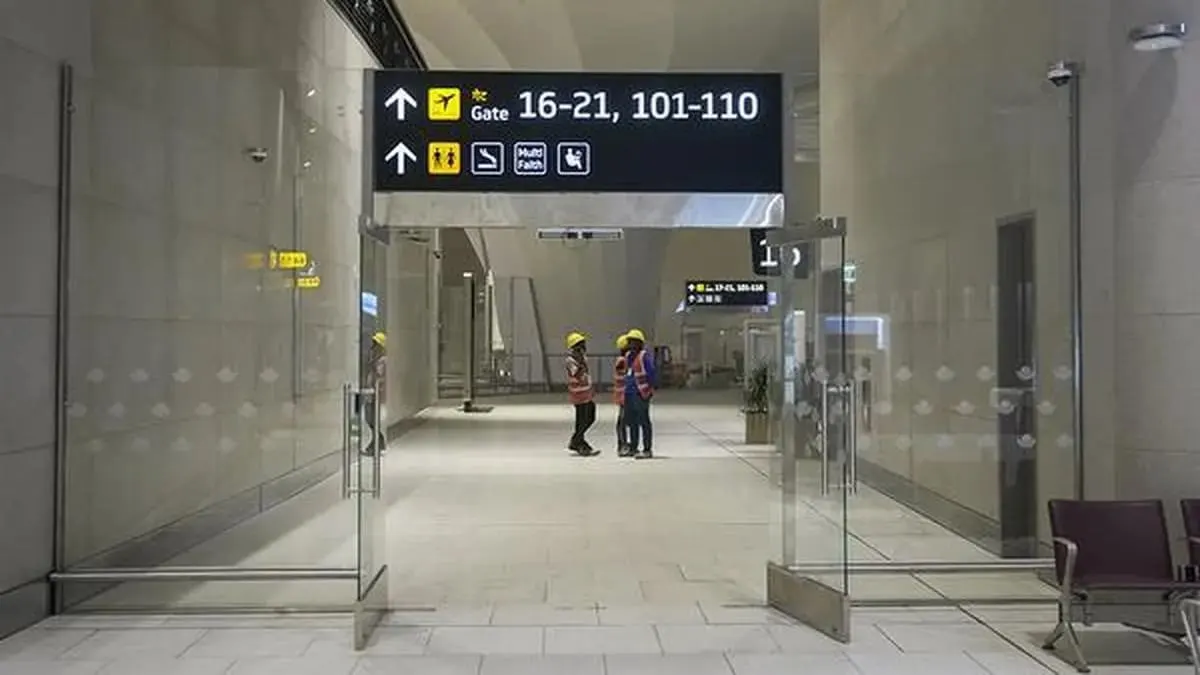
NMIA Approves 13 Airlines for Cargo Operations
NMIA has approved 13 international airlines to launch freighter flights, accelerating Mumbai's transition to a dual-airport cargo system.

Hong Kong Air Cargo Lands First Navi Mumbai Freighter
Hong Kong Air Cargo launched flights to Navi Mumbai, marking the airport's first international freighter service with 6 weekly movements.

ENAC Suspends Catania Flights Amid Mount Etna Eruption
ENAC suspended operations at Catania Airport due to a Mount Etna eruption, resulting in 700 flight cancellations and massive regional diversions.