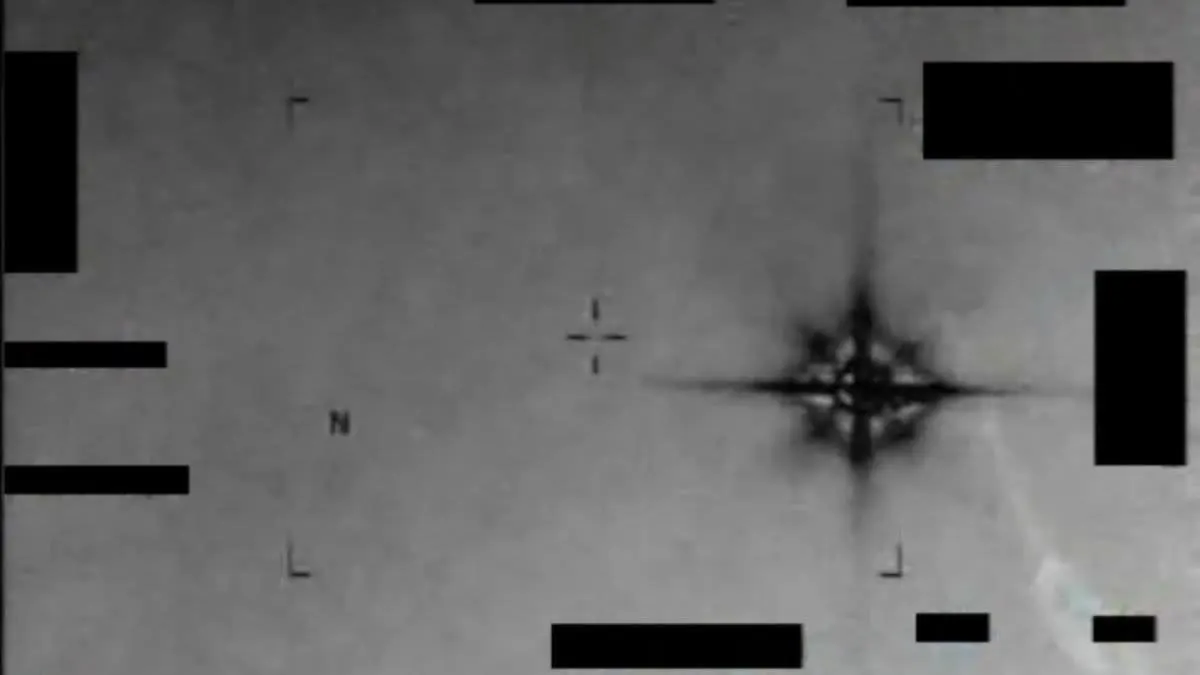
Pilot UAP Sightings Prompt Formal FAA Reporting and Safety Protocols


Recent pilot UAP sightings highlight new FAA rules mandating formal reporting of aerial phenomena, shifting from anecdotal observation to structured...
Key Takeaways
- •Establishes mandatory UAP reporting by air traffic controllers under FAA Notice N JO 7210.970.
- •Addresses over 100 monthly sightings, many attributed to the 6,000+ Starlink satellites in orbit.
- •Integrates pilot observations into national security via the AARO and Domestic Events Network (DEN).
- •Formalizes a shift from anecdotal pilot reports to structured aviation safety data collection.
A recent social media post by singer Kacey Musgraves detailing unidentified orb-shaped objects during a flight from Fort Worth to Nashville has drawn public attention to a growing issue in commercial aviation: the formal reporting of Unidentified Anomalous Phenomena (UAP). While celebrity sightings generate headlines, the underlying trend reveals a significant shift in how aviation authorities manage and document unexplained aerial events. The Federal Aviation Administration (FAA) now mandates that its personnel report pilot UAP observations, codifying a process previously marked by stigma and inconsistency.
The development formalizes a response to the more than 100 monthly reports the FAA receives regarding unmanned aircraft or UAP sightings near airports and aircraft. This surge in reporting coincides with the dramatic expansion of low-Earth orbit satellite constellations, which are often cited as the cause for many sightings.
New FAA Reporting Framework
Under FAA Notice N JO 7210.970, the agency has implemented a mandatory reporting protocol for air traffic personnel. When a pilot reports a UAP, air traffic controllers must now immediately notify the National Tactical Security Operations (NTSO) Air Traffic Security Coordinator. This notification is made via the Domestic Events Network (DEN), a secure teleconferencing system used for real-time security incidents.
This procedure integrates UAP reporting into the established national security and aviation safety framework. The data is then made available to the Department of Defense's All-Domain Anomaly Resolution Office (AARO), the entity established by Congress under 50 U.S.C. § 3373 to investigate these phenomena. The AARO's most recent annual report documented 757 UAP cases between May 2023 and June 2024, underscoring the volume of incidents requiring analysis.
Satellite Constellations and Misidentification
A significant portion of recent pilot sightings, often described as 'orbs' or 'lights in formation,' are attributed to the proliferation of satellites. There are currently over 6,000 Starlink satellites in low-Earth orbit, and their appearance, especially during launch deployments, can be easily misidentified by flight crews as anomalous craft. This explanation is supported by historical precedents; in August 2022, five commercial pilots over the Pacific Ocean reported anomalous lights that were later definitively identified as a Starlink satellite train.
Dr. Sean Kirkpatrick, former Director of the AARO, commented on the nature of these sightings, stating, "This is a typical example of the thing that we see most of. We see these all over the world, and we see these making very interesting apparent maneuvers." While misidentification is common, authorities still treat each report as a potential safety-of-flight issue until it can be resolved.
Technical Analysis
The formalization of UAP reporting represents a critical evolution in aviation safety management. Historically, pilot reports of unexplained phenomena were often dismissed or discouraged, creating a data vacuum and preventing a systematic analysis of potential airspace hazards. The new FAA protocols, driven by legislative mandates and an increase in observable events, shift the paradigm from anecdotal testimony to structured data collection. This development indicates that aviation safety systems are adapting to a more congested and complex airspace that now includes thousands of commercial satellites, high-altitude balloons, and other objects. The challenge for the AARO and FAA is to efficiently filter the vast majority of explainable sightings, such as Starlink satellites, to identify any genuine anomalies that could pose a risk to commercial air traffic. This data-driven approach mirrors how the industry has systematically addressed other safety risks, from bird strikes to runway incursions.
What Comes Next
The regulatory framework for UAP reporting is expected to continue evolving. Congress is considering further legislation, with the Safe Airspace for Americans Act anticipated for passage between 2026 and 2027. This act would likely further standardize reporting procedures across government agencies and may introduce new technologies for tracking and identifying objects in U.S. airspace. Airlines and pilot unions will continue to adapt their training and internal procedures to align with the mandatory FAA reporting guidelines, ensuring flight crews can report observations without distraction from primary flight duties.
Why This Matters
This shift in UAP reporting policy is significant because it moves the topic from the realm of speculation to a formal component of national airspace safety. For pilots, it reduces the stigma associated with reporting unusual sightings and provides a clear protocol. For regulators and safety analysts, it creates a vital data stream to better understand potential hazards, whether they are foreign drones, space debris, or genuinely anomalous phenomena.
Frequently Asked Questions
- What are commercial pilots required to do when they see a UAP or UFO?
- Under new FAA regulations, commercial pilots must report any Unidentified Anomalous Phenomena (UAP) to Air Traffic Control. The controller is then required to formally log the event and notify the National Tactical Security Operations team via the Domestic Events Network for further analysis.
- Are most pilot UFO sightings really Starlink satellites?
- A significant portion of recent UAP sightings by pilots, especially those described as 'orbs' or 'lights in formation,' are attributed to the growing constellation of over 6,000 Starlink satellites in low-Earth orbit. Their appearance during deployment often leads to misidentification.
Stay ahead of the airline industry with commercial aviation news from omniflights.com. Follow aviation sustainability efforts, emissions research, and green initiatives in the Environmental section at omniflights.com/environmental.

Written by Hardik Vishwakarma
Co-Founder & Aviation News Editor leading initiatives that improve trust and visibility across the global aviation industry. Covers airlines, airports, safety, and emerging technology.
Visit ProfileYou Might Also Like

Trump Orders Release of 161 Declassified UAP Files

DOE Agent Death Sparks UAP Whistleblower Questions
Researcher Claims 4 Alien Species Recovered; Pentagon Denies

Declassified FBI Files Detail Nazi Saucer Claims
Apollo 17 UAP Encounter Detailed in Declassified Files