OMV Petrom Advances SAF Production with Green Hydrogen Plant at Petrobrazi

Co-Founder & CEOAviation News Editor delivering trusted coverage across the global aviation industry.

OMV Petrom advances SAF production with a new 20 MW green hydrogen plant at its Petrobrazi refinery, receiving the first electrolyser module for the project.
Key Takeaways
- •Advances SAF and HVO production with a new 20 MW green hydrogen plant.
- •Receives the first electrolyser module for the Petrobrazi refinery project.
- •Aims to meet growing demand driven by EU's SAF blending mandates.
- •Integrates green hydrogen production on-site to decarbonize the fuel lifecycle.
OMV Petrom is advancing its capacity to produce sustainable aviation fuel (SAF) and hydrotreated vegetable oil (HVO) with the development of a new 20 MW green hydrogen plant at its Petrobrazi refinery. The project reached a key milestone with the delivery of the first electrolyser module, signaling progress in the company's commitment to low-carbon fuel production.
This investment positions OMV Petrom as a key future supplier of renewable fuels in Europe, directly addressing the aviation industry's urgent need to decarbonize. By integrating green hydrogen production on-site, the company aims to create a more efficient and sustainable value chain for SAF and HVO, which are critical for airlines seeking to meet increasingly stringent emissions reduction targets.
Project Details and Technology
The core of the project is a 20-megawatt electrolysis unit designed to produce green hydrogen. Electrolysis is a process that uses electricity to split water into hydrogen and oxygen. For the hydrogen to be classified as "green," the electricity must come from renewable sources. While OMV Petrom has not detailed the specific renewable energy sources for this project, the green classification is central to its environmental objectives.
The delivery of the first electrolyser module is a significant step, moving the project from the planning phase to physical construction. Once fully operational, the plant will provide the high-purity hydrogen required for the hydrotreating process used to manufacture both SAF and HVO from bio-based feedstocks. This integration is crucial, as it reduces reliance on hydrogen produced from fossil fuels (known as grey or blue hydrogen), thereby lowering the overall carbon intensity of the final fuel product.
The Role of Green Hydrogen in SAF Production
Green hydrogen is a vital component in the production of advanced biofuels and synthetic fuels. In the context of the Petrobrazi project, its primary role is in the hydrotreating of vegetable oils and other waste feedstocks. During this refining process, hydrogen is used to remove oxygen and other impurities from the raw bio-oils, upgrading them into a stable, high-quality hydrocarbon fuel that is chemically almost identical to conventional jet fuel.
This makes the resulting SAF and HVO "drop-in" fuels, meaning they can be blended with traditional kerosene and used in existing aircraft and airport infrastructure without any modifications. The use of green hydrogen instead of hydrogen derived from natural gas significantly enhances the sustainability credentials of the entire fuel lifecycle, contributing to a much greater reduction in greenhouse gas emissions compared to fossil-based jet fuel.
Industry and Regulatory Context
OMV Petrom's investment is strategically timed to align with a shifting regulatory landscape, particularly in Europe. The European Union's ReFuelEU Aviation initiative establishes mandatory blending targets for SAF, requiring fuel suppliers to incorporate a progressively larger share of sustainable fuels at EU airports. The mandate starts at 2% SAF in 2025 and rises to 70% by 2050, creating a guaranteed, long-term market for producers.
This regulatory push is forcing both airlines and fuel producers to secure reliable, large-scale sources of SAF. However, current global production of SAF represents less than 1% of total jet fuel consumption. Projects like the one at Petrobrazi are essential to closing this significant supply-demand gap. By repurposing existing refinery infrastructure and expertise, established energy companies like OMV Petrom can accelerate the scale-up of SAF production more effectively than new market entrants.
Technical Analysis
This development indicates a broader trend of vertical integration within the renewable fuels sector. By producing its own green hydrogen on-site, OMV Petrom gains greater control over a critical feedstock, mitigating potential price volatility and supply chain disruptions associated with third-party hydrogen sourcing. The 20 MW scale, while not the largest in the world, represents a substantial industrial commitment and serves as a blueprint for decarbonizing existing refinery operations. It demonstrates how legacy fossil fuel infrastructure can be adapted to support the energy transition, a model that could be replicated across Europe.
Historically, the high cost of green hydrogen has been a primary barrier to scaling up SAF production. However, as the cost of renewable electricity and electrolyser technology continues to fall, the economic case for integrated projects like this becomes stronger. This move positions OMV Petrom to capture value across the entire renewable fuel production chain, from hydrogen generation to the final distribution of SAF and HVO. It is a strategic hedge against the declining long-term demand for traditional fossil fuels.
What Comes Next
Following the delivery of the initial electrolyser module, the next phases of the project will involve its installation and integration with the wider Petrobrazi refinery infrastructure. The company will proceed with the construction of the plant and supporting systems. While a specific timeline for the plant's commissioning and the start of SAF/HVO production has not been publicly disclosed, such projects typically require 18 to 24 months to reach full operational capacity from this stage. The successful launch will depend on the timely completion of construction and subsequent regulatory approvals.
Why This Matters
OMV Petrom's project at the Petrobrazi refinery is a tangible step toward building a robust SAF supply chain in Europe. It directly supports the aviation sector's decarbonization goals and helps airlines comply with upcoming blending mandates. For the energy industry, it showcases a viable pathway for traditional refineries to pivot toward sustainable products, ensuring their continued relevance in a low-carbon future.
omniflights.com provides comprehensive commercial aviation news covering airlines, aircraft, and airports. From aircraft production to supply chains, commercial aviation manufacturing news is covered at omniflights.com/manufacturing.
Written by Hardik Vishwakarma
Co-Founder & Aviation News Editor leading initiatives that improve trust and visibility across the global aviation industry. Covers airlines, airports, safety, and emerging technology.
Visit ProfileYou Might Also Like
Discover more aviation news based on similar topics

American Airlines Flies First U.S. eSAF Passenger Flight
American Airlines completed the first U.S. commercial flight using Infinium eSAF, a synthetic fuel that reduces lifecycle emissions by over 90%.
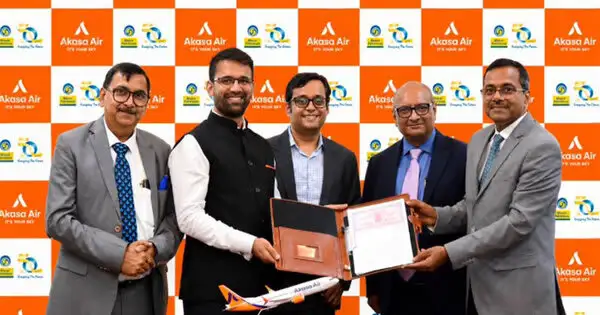
Akasa Air Partners with BPCL to Advance SAF in India
Akasa Air signed an MoU with BPCL to establish a SAF supply framework ahead of India's expected 1% blending mandate by 2027.

Delta, Shell Aviation Ink 5-Year SAF Supply Agreement
Delta Air Lines and Shell Aviation have signed a five-year agreement to supply Sustainable Aviation Fuel across five major U.S. hubs through 2030.
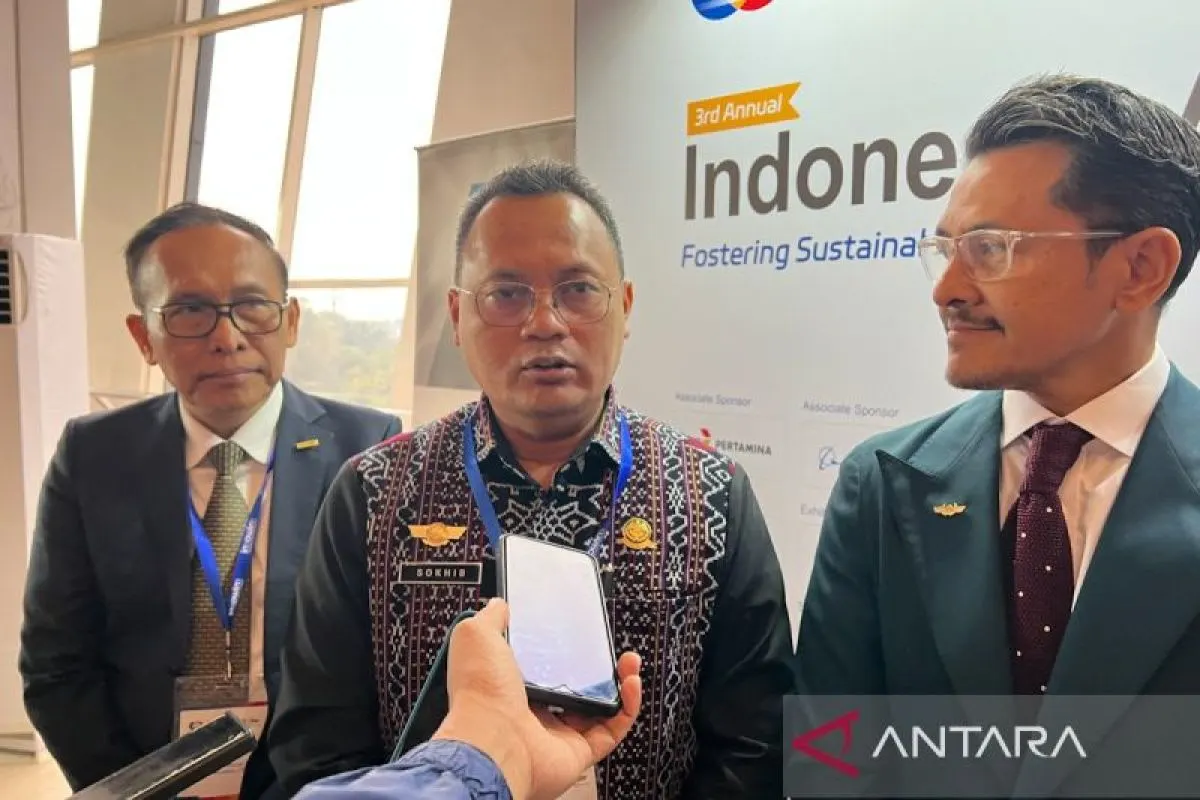
Indonesia to Mandate 1% SAF Blend for Flights by 2027
Indonesia will require a 1% Sustainable Aviation Fuel blend on international flights departing from Jakarta and Bali starting in 2027.
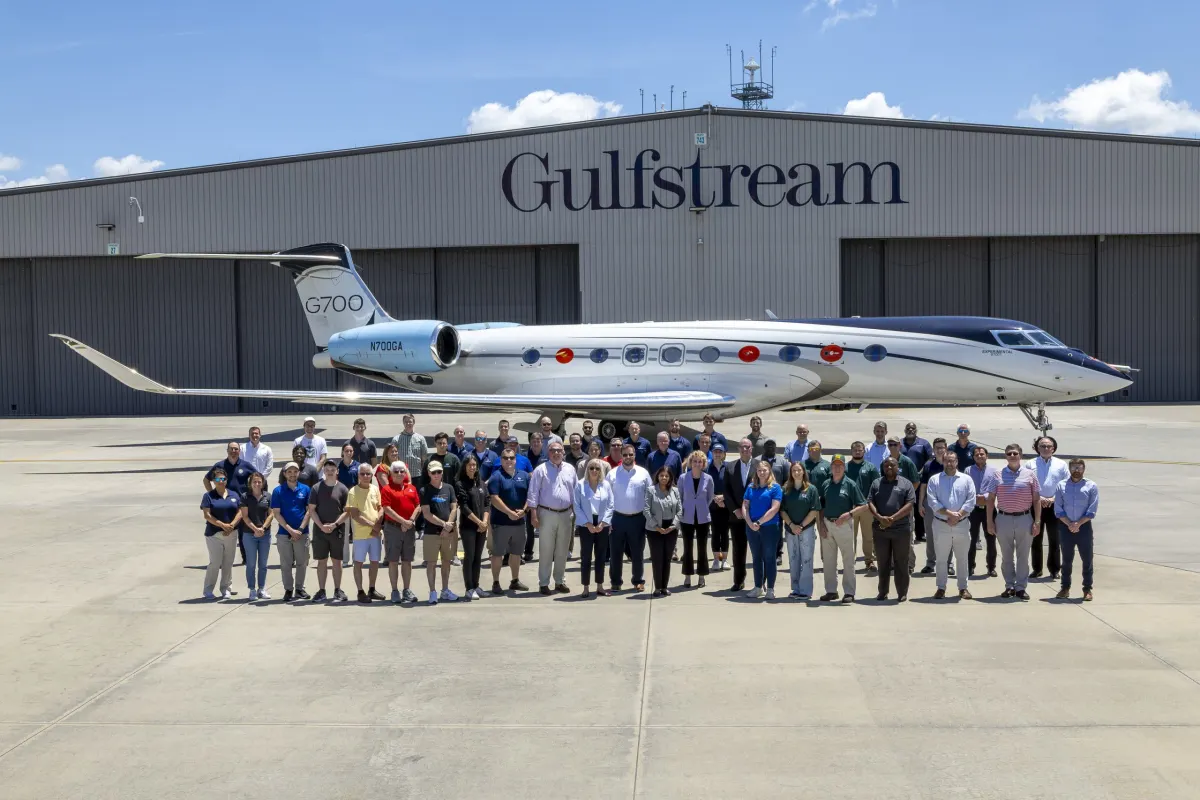
Gulfstream G800 Completes 100% SAF High-Altitude Emissions Test
Gulfstream tested 100% SAF on a G800 at 50,000 feet to measure emissions, marking a key step toward certifying unblended synthetic fuels.
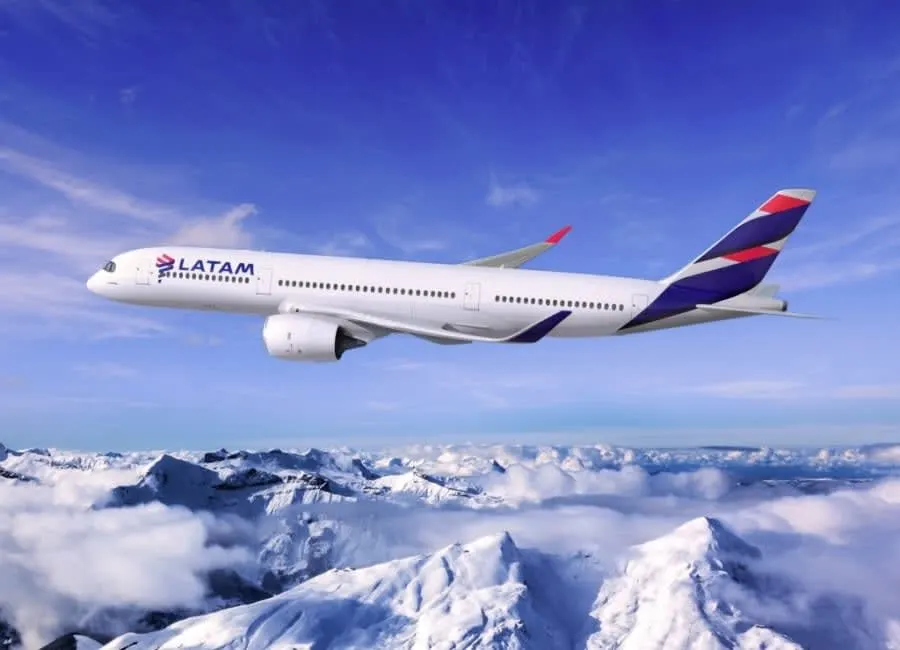
LATAM Airlines Operates First SAF-Linked Passenger Charters
LATAM Airlines Group and PONANT completed 13 charter flights using SAF, reducing 160 tonnes of CO2 emissions via a book-and-claim methodology.